Why leaves turn red, gold and brown
Autumn color is chemistry. Through the summer, green chlorophyll hides the yellow and orange pigments (carotenoids) that are already in the leaf. As days shorten and nights cool, trees stop making chlorophyll, it breaks down, and the yellows show through. Reds and purples come from a different pigment, anthocyanin, which many trees make fresh in the fall; it is strongest after sunny days and cool, not freezing, nights. Browns come from tannins left behind once the other pigments fade. That is why a sugar maple can turn scarlet in one year and orange the next, while a ginkgo turns the same clear yellow every fall and often drops nearly all its leaves within a few days. In the northern United States, color usually peaks from late September into October, later farther south.
One leaf per tree, each true to its shape
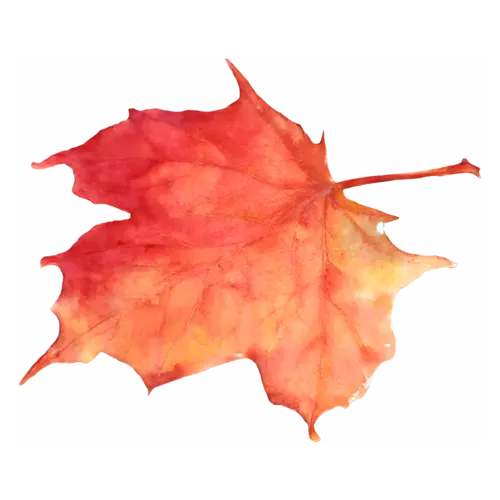
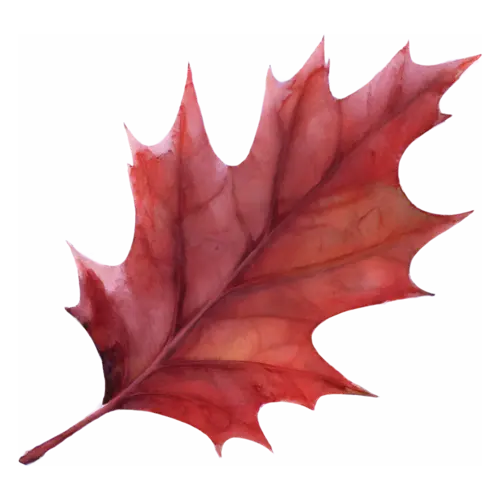
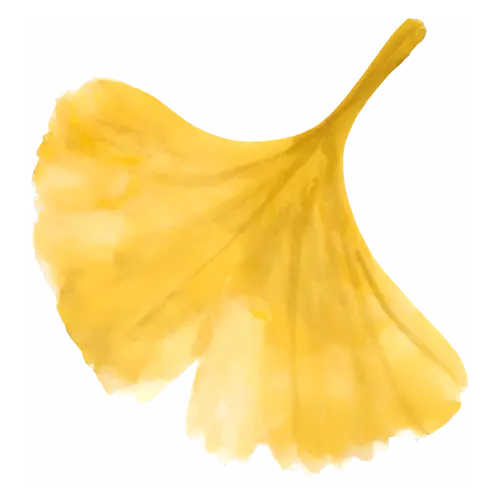
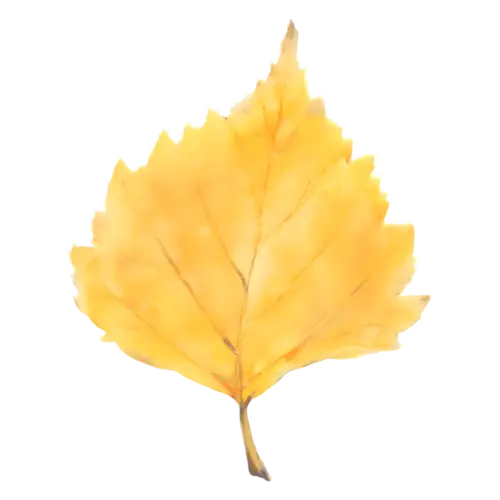
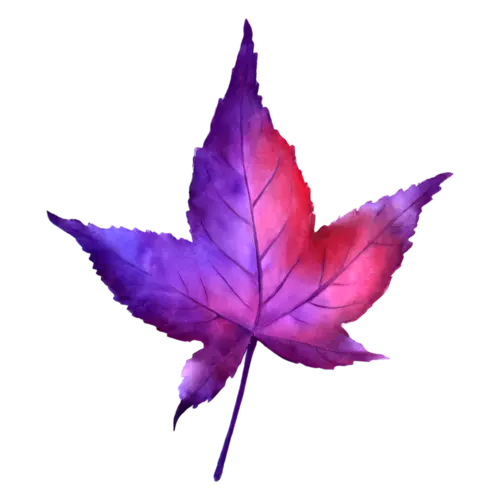
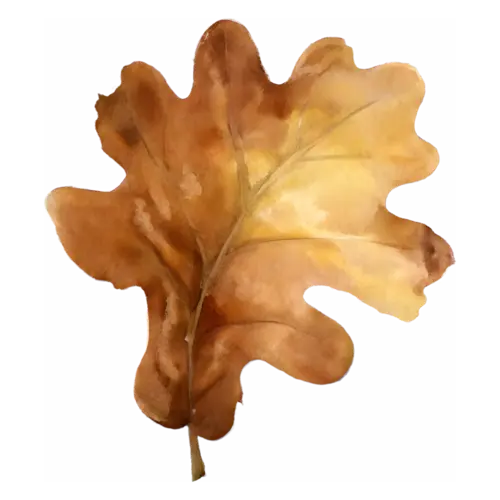
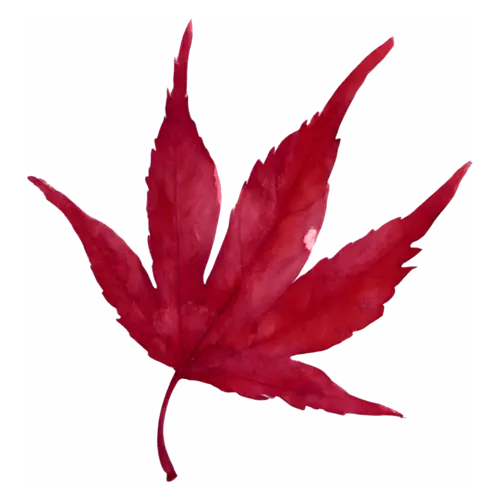
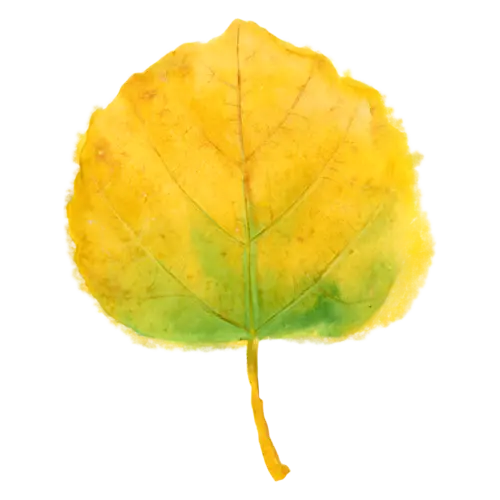
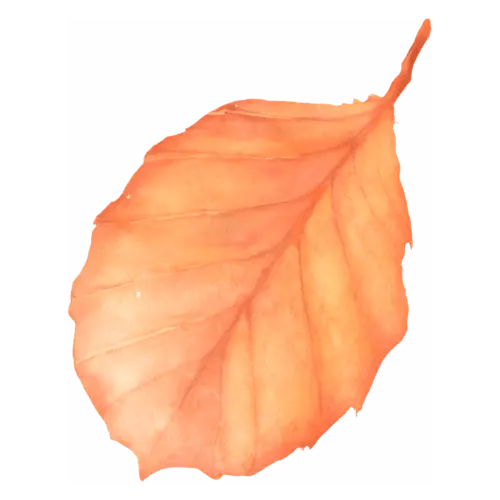
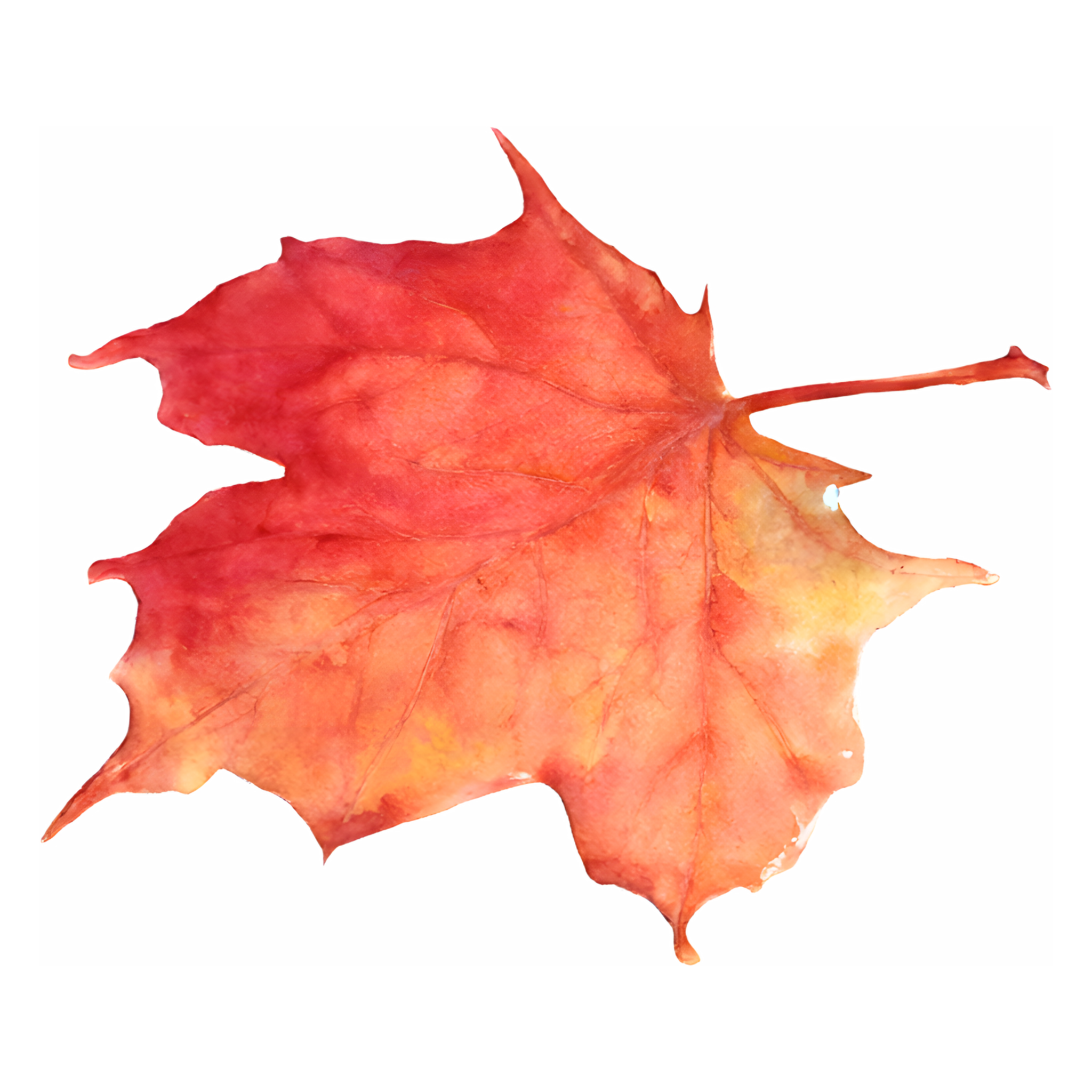
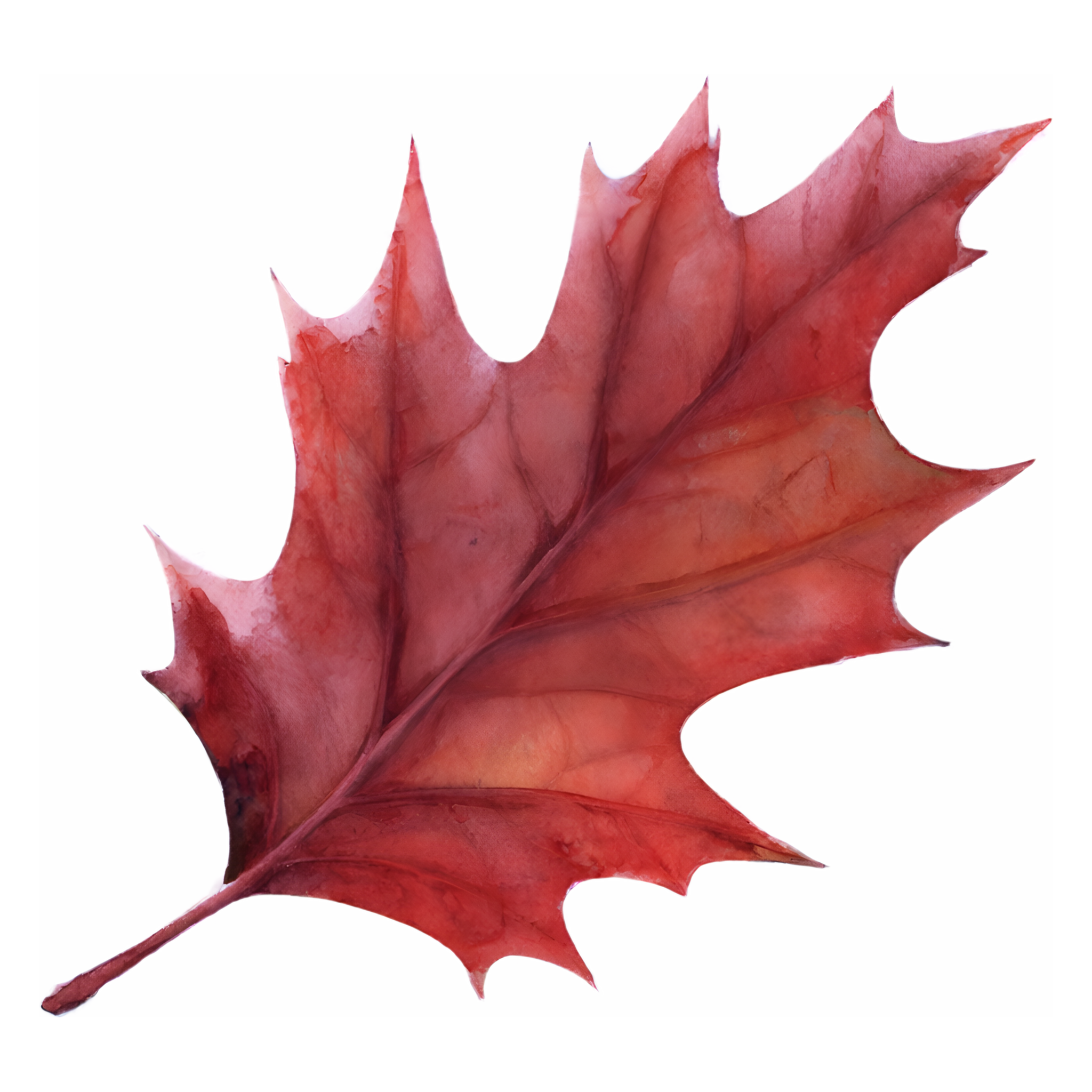
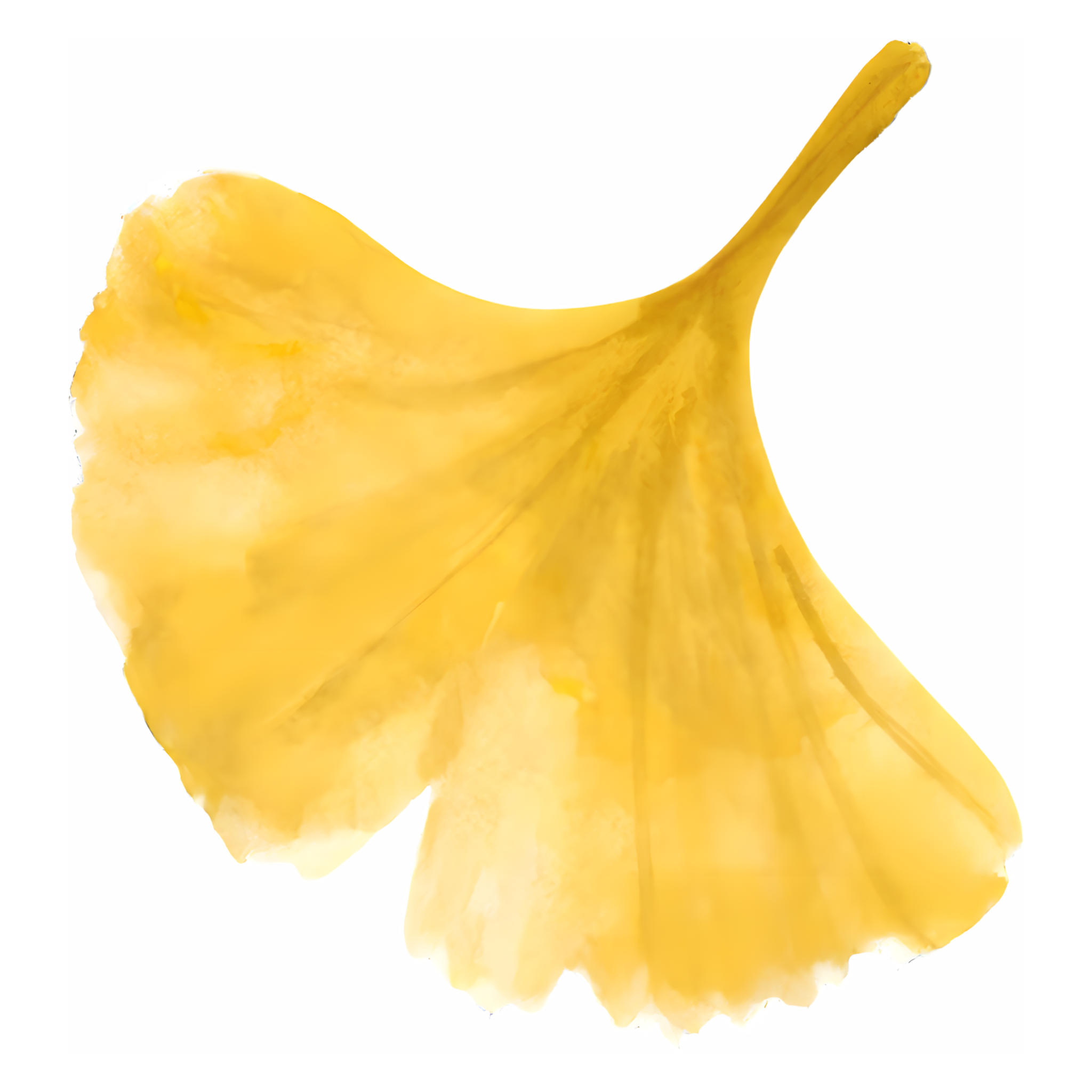
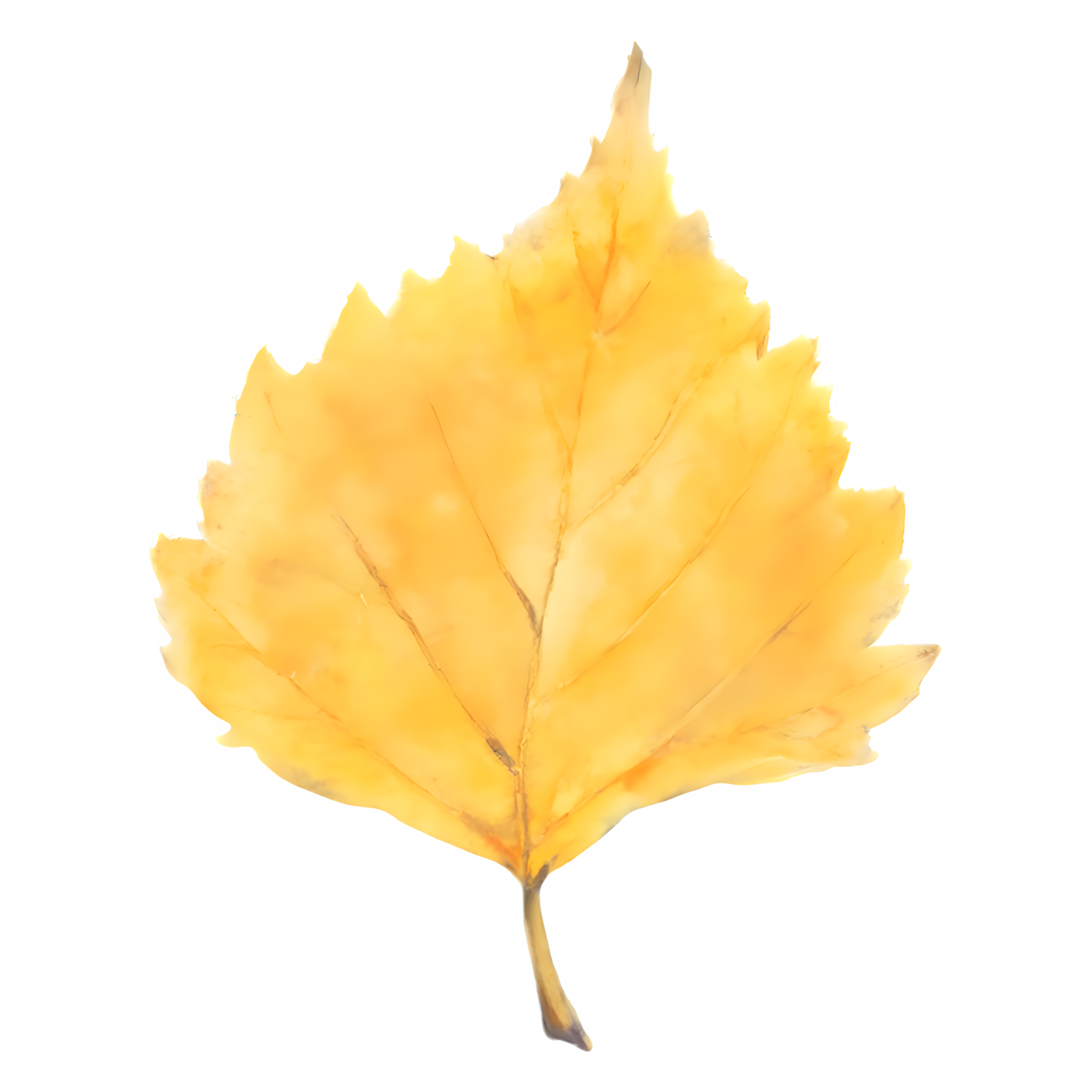
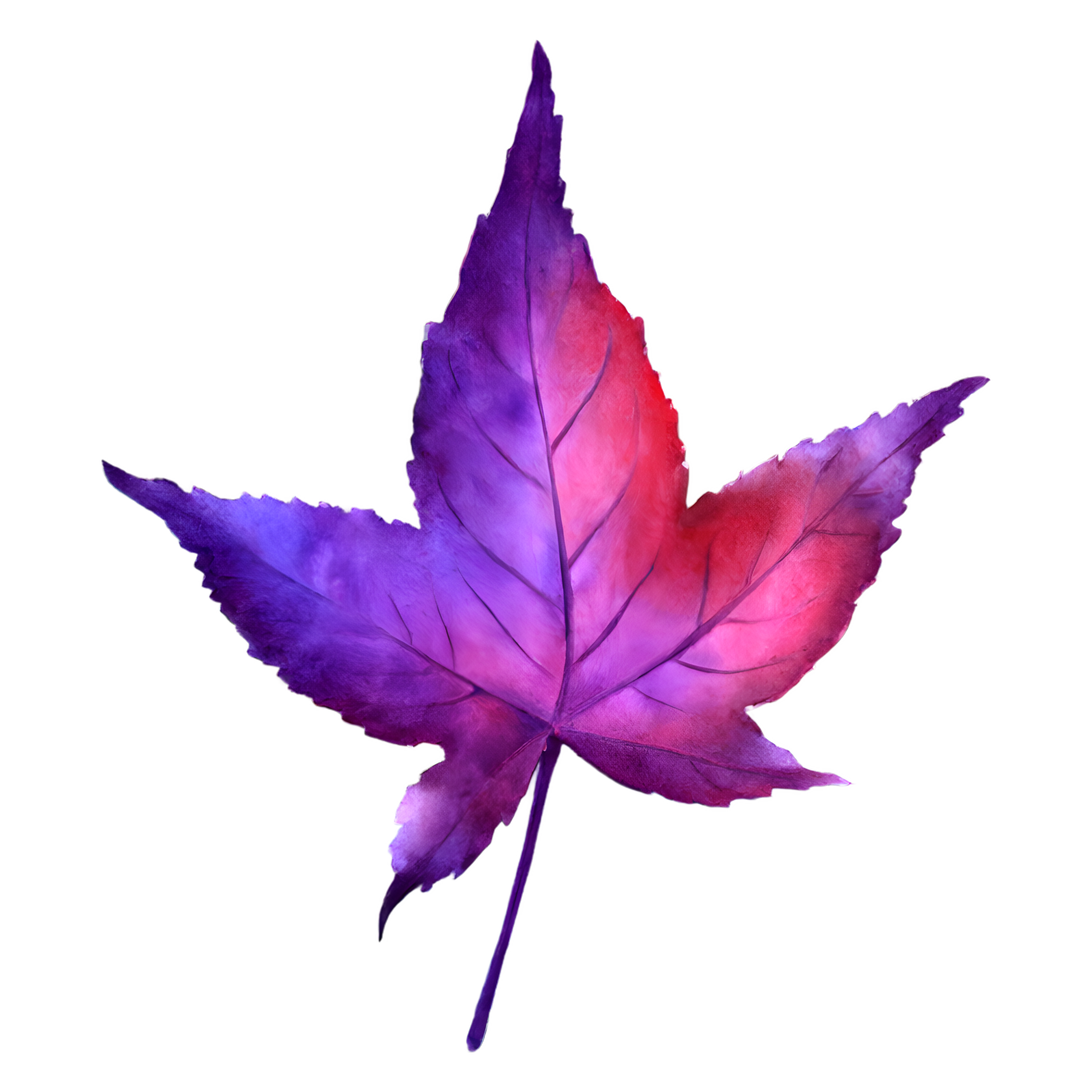
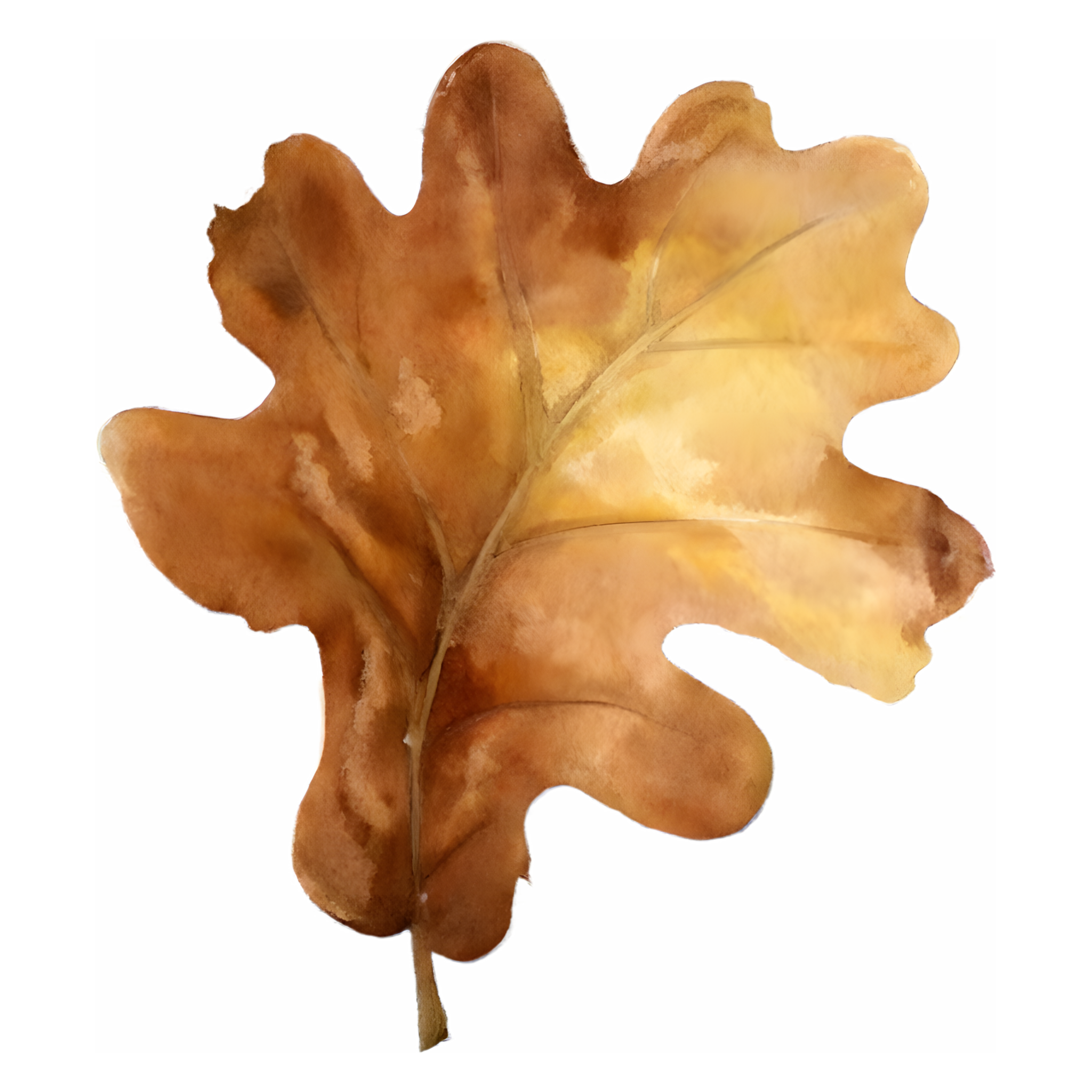
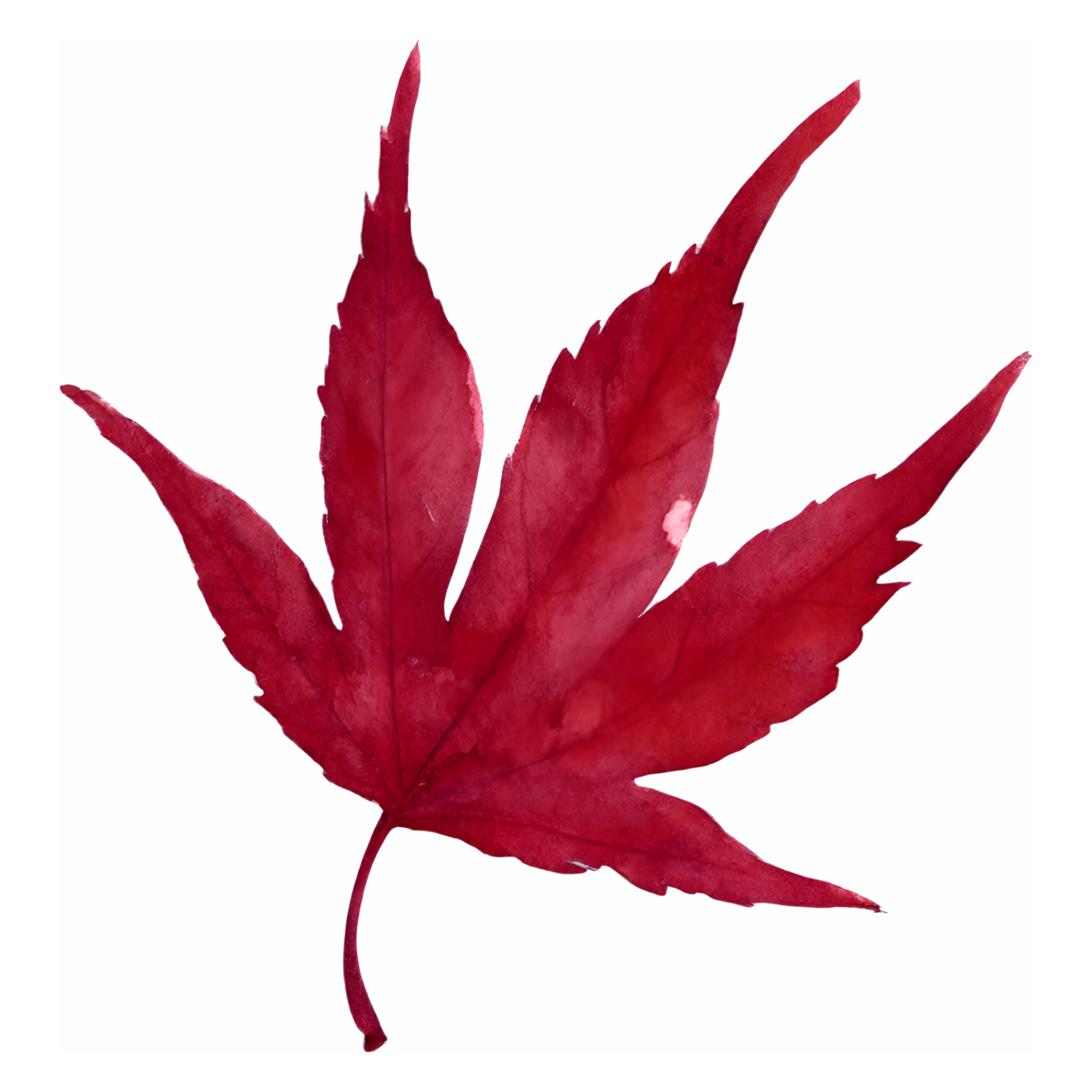
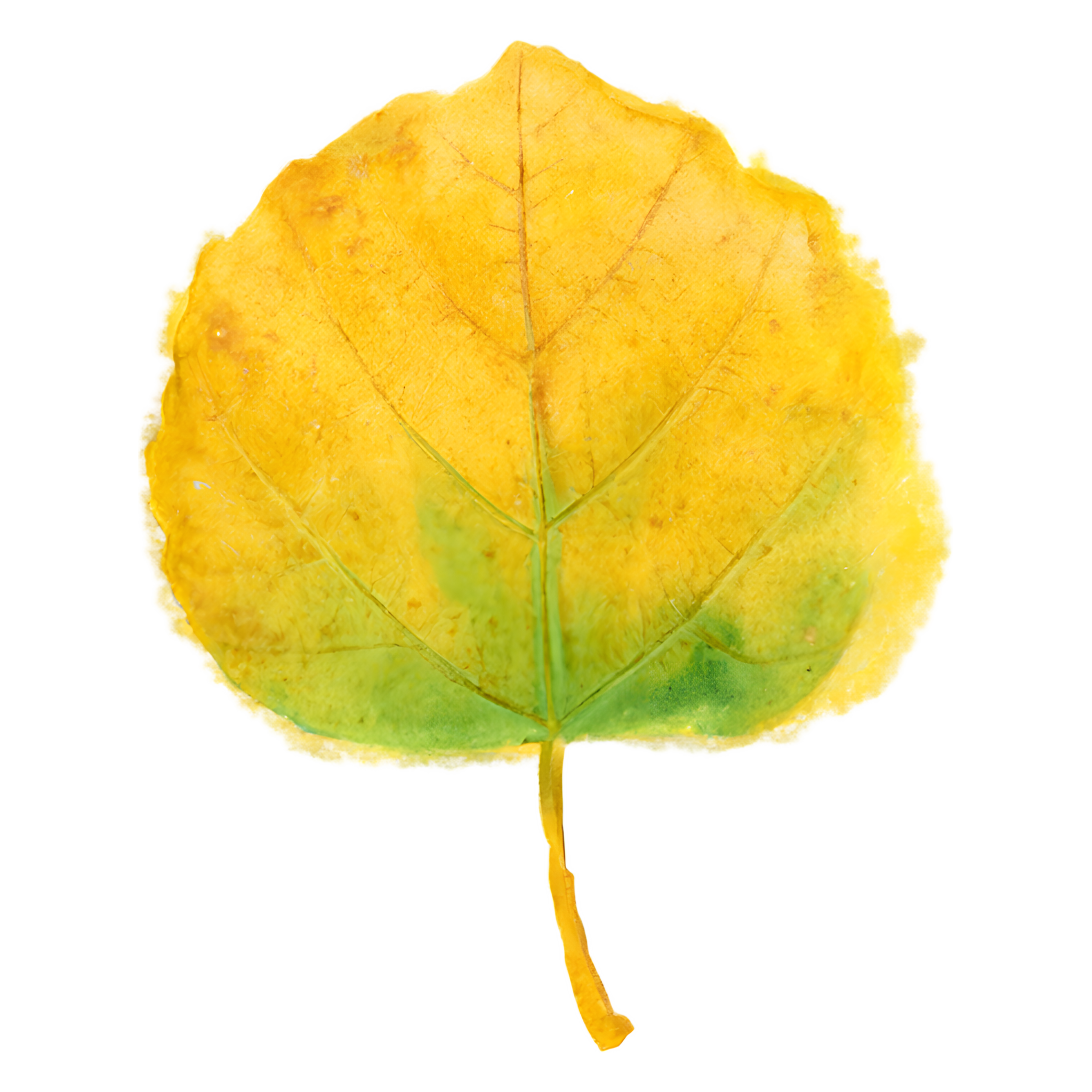
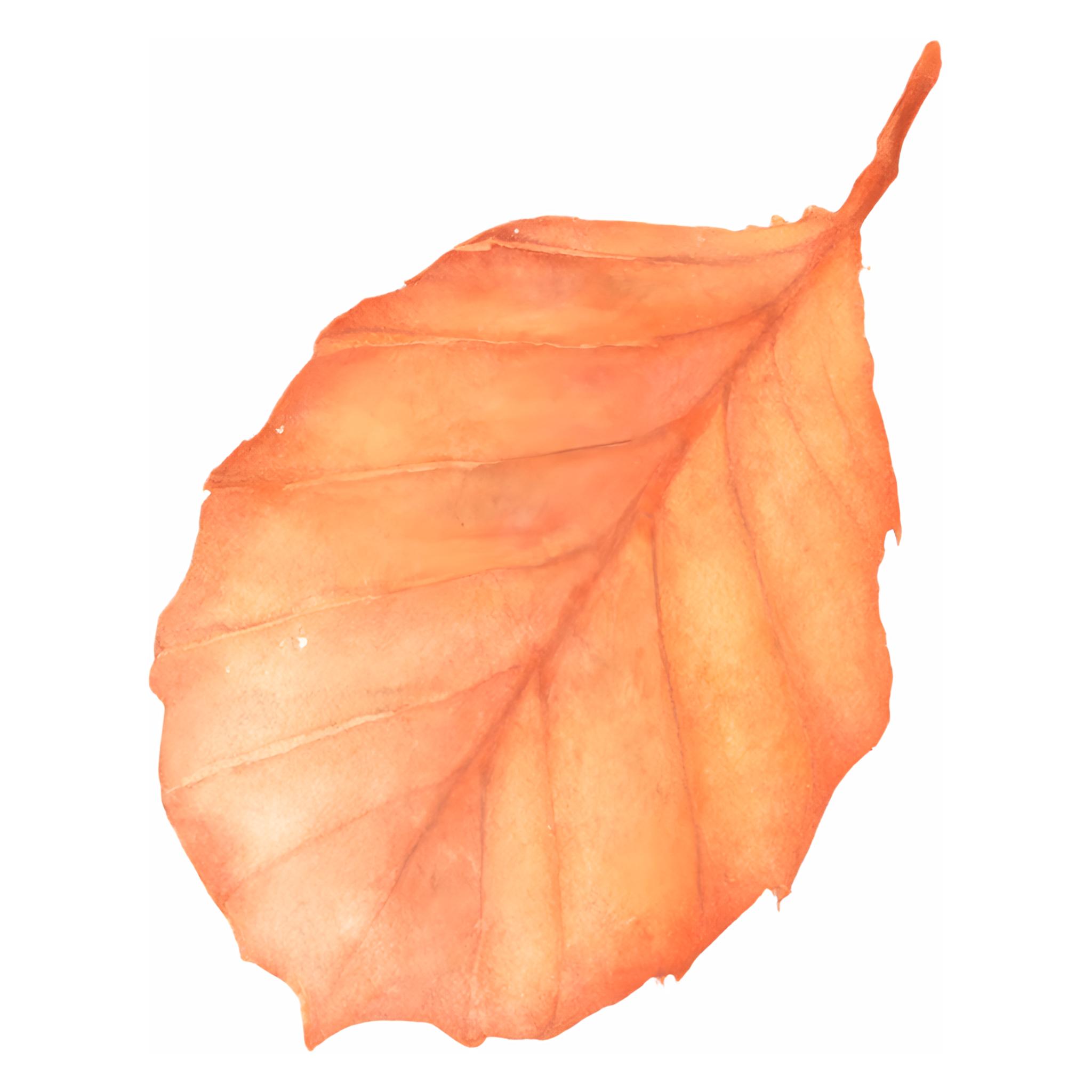
Each image is a single leaf with fine painted veins, and each comes from a specific tree so the shapes are correct for leaf identification. The trees include a sugar maple, with a leaf in red and orange, a deep scarlet Japanese maple with slender points, and two oaks that show the classic contrast: a red oak with pointed, bristle-tipped lobes in rust and burgundy, and a white oak with rounded lobes in brown and ochre. There is a fan-shaped golden ginkgo, a star-shaped sweetgum in purple and crimson, a serrated birch leaf in buttery yellow, a round aspen leaf in gold with a green blush and a copper-orange beech leaf.
Thanksgiving tables, thankful trees and leaf ID
From September through November these leaves cover most fall projects: Thanksgiving invitations and place cards, fall festival and harvest market flyers, autumn wedding stationery and recipe cards for pies and soups. In classrooms, teachers print them for "thankful tree" bulletin boards, where each student writes something they are grateful for on a paper leaf, and for leaf-identification sheets that match each leaf to its tree. Because the leaves come from real species, they pair naturally with the matching tree galleries: the maple tree, oak tree and aspen tree sets let kids see the whole tree beside its leaf. Add the pumpkin gallery for a full harvest table.
Scarlet, gold, rust and a touch of purple
The set spans the whole autumn range: scarlet and crimson from the maples, burgundy and rust from the red oak, golden and buttery yellows from the ginkgo, birch and aspen, copper from the beech, and brown and ochre from the white oak. The sweetgum adds purple, which is rare in fall sets and useful for a less predictable palette. These colors look rich on kraft paper, cream and deep forest green, and they work with navy for a moodier late-fall look. Browse the autumn clipart hub for more seasonal sets. This page lists each leaf's main HEX colors with matched DMC floss and Copic markers, so you can pull a thread palette for a fall embroidery straight from the leaves.
Tip: scatter, don't line up
Fall leaves look natural when they fall at different angles. Rotate each leaf a different amount, vary the sizes by about a third, and let one or two run off the edge of the card. Every file is a 2048 x 2048 px transparent PNG (about 6.8 inches square at 300 DPI), so a single leaf can fill a full card front or shrink to a confetti-sized accent. For a printable garland, print the leaves at 3 to 4 inches, cut them out with a Cricut print-then-cut, and string them on twine. Leaves are compact shapes with few thin parts, so they cut cleanly; the pointed Japanese maple and sweetgum need a slightly larger offset around their tips.