What you see above ground is only the fruit
A mushroom is the fruiting body of a fungus, the part that appears to release spores. The fungus itself is a network of fine threads called mycelium running through soil, leaf litter or dead wood, and many forest species are partners with tree roots, trading minerals for sugars. Mushrooms push up after rain, and in most temperate forests the busiest season is late summer through fall. The parts are worth knowing if you label artwork: the cap, the gills underneath where spores form, the stem, and on some species a ring left on the stem where a membrane once covered the young gills. Plain brown mushrooms are among the hardest of all to identify, even for experienced foragers.
Ten caps, ten silhouettes
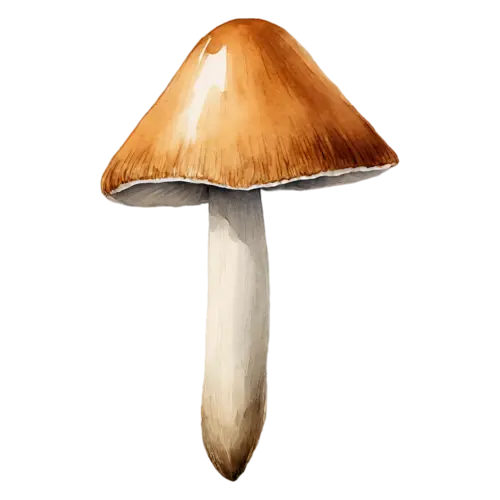
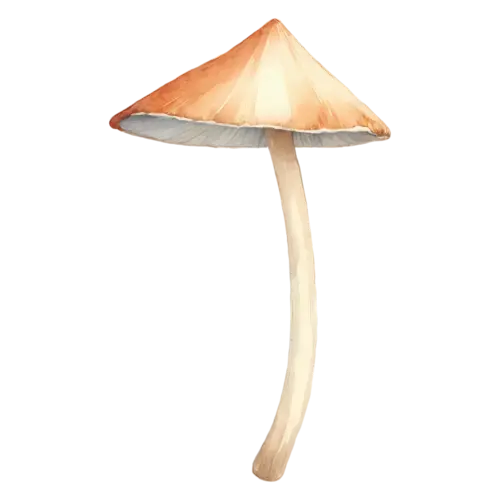
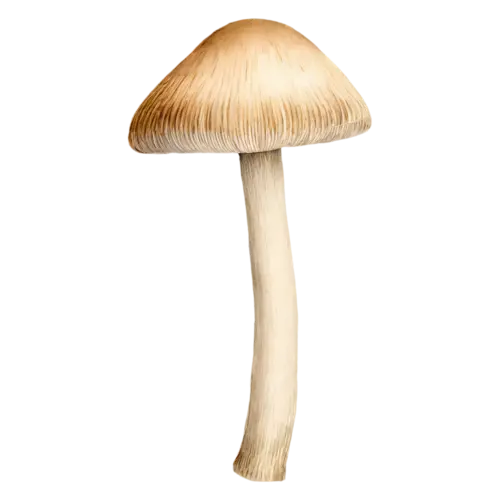
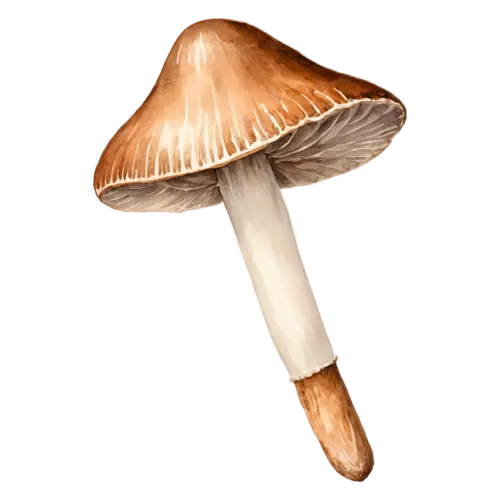
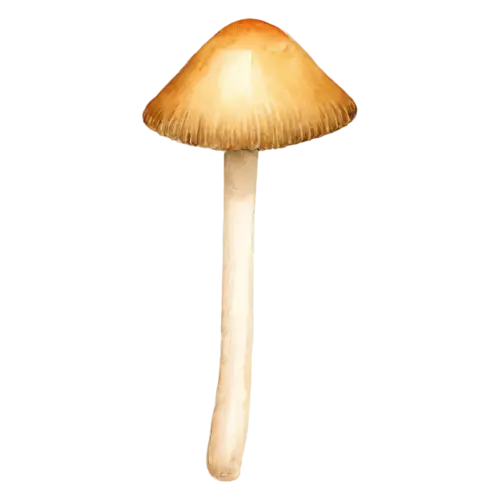
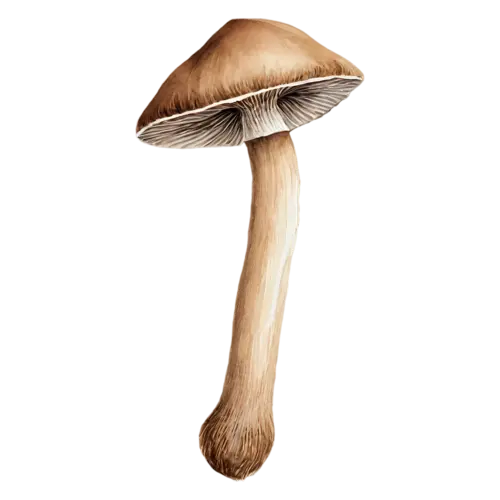
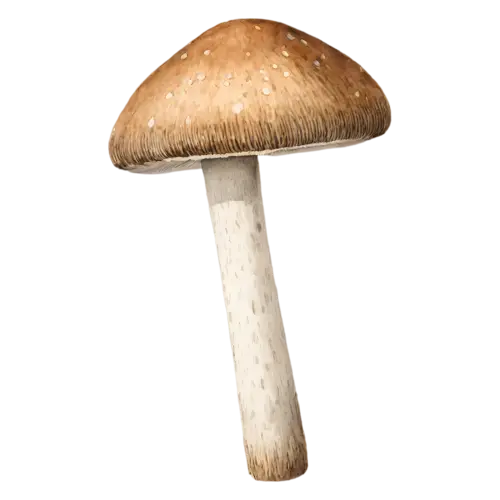
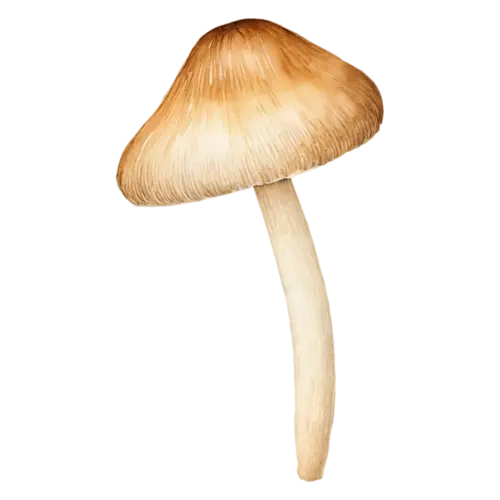
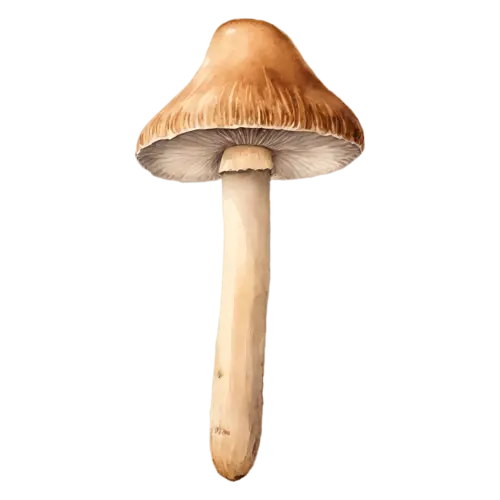
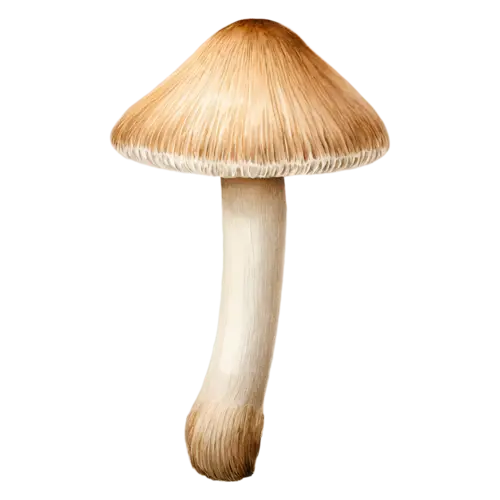
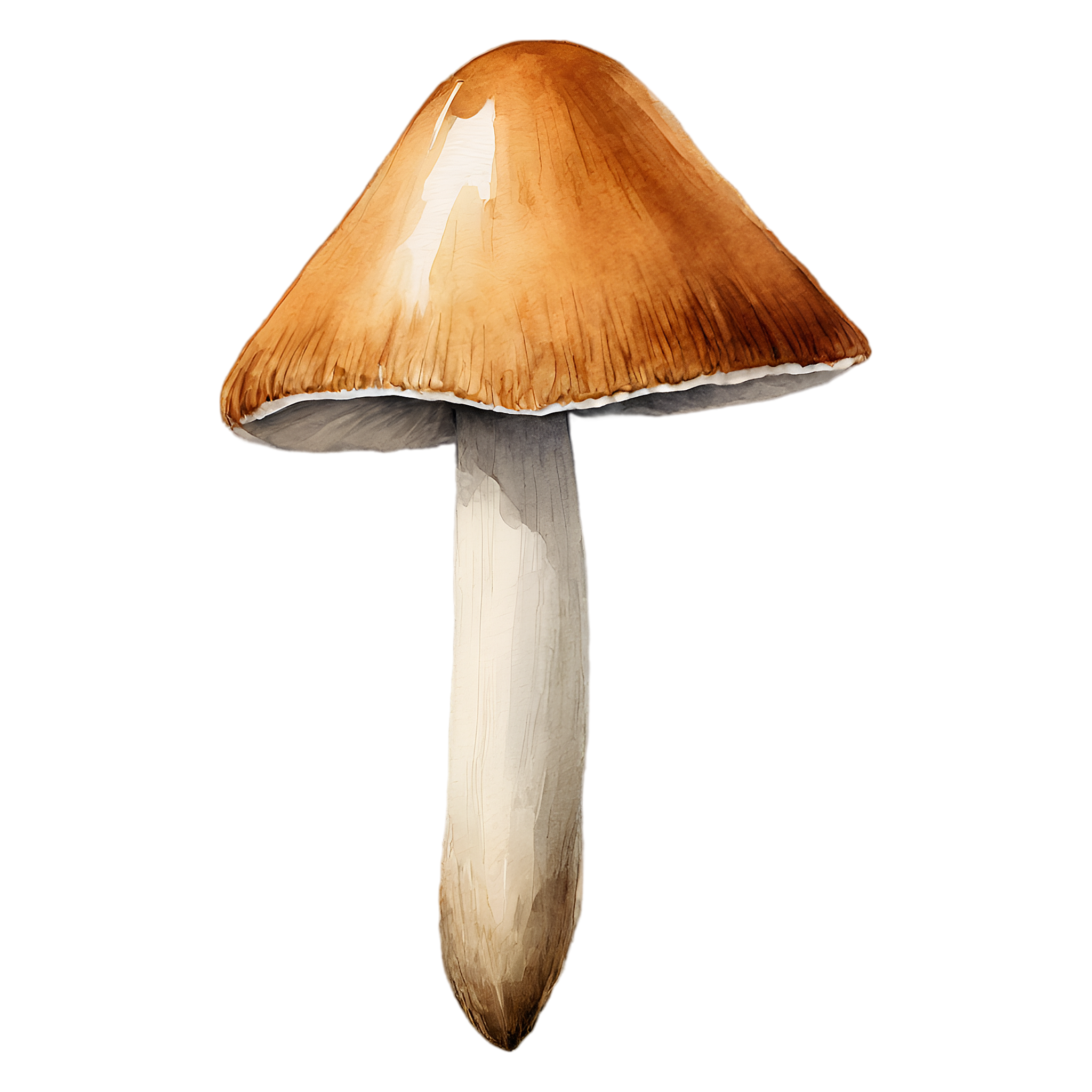
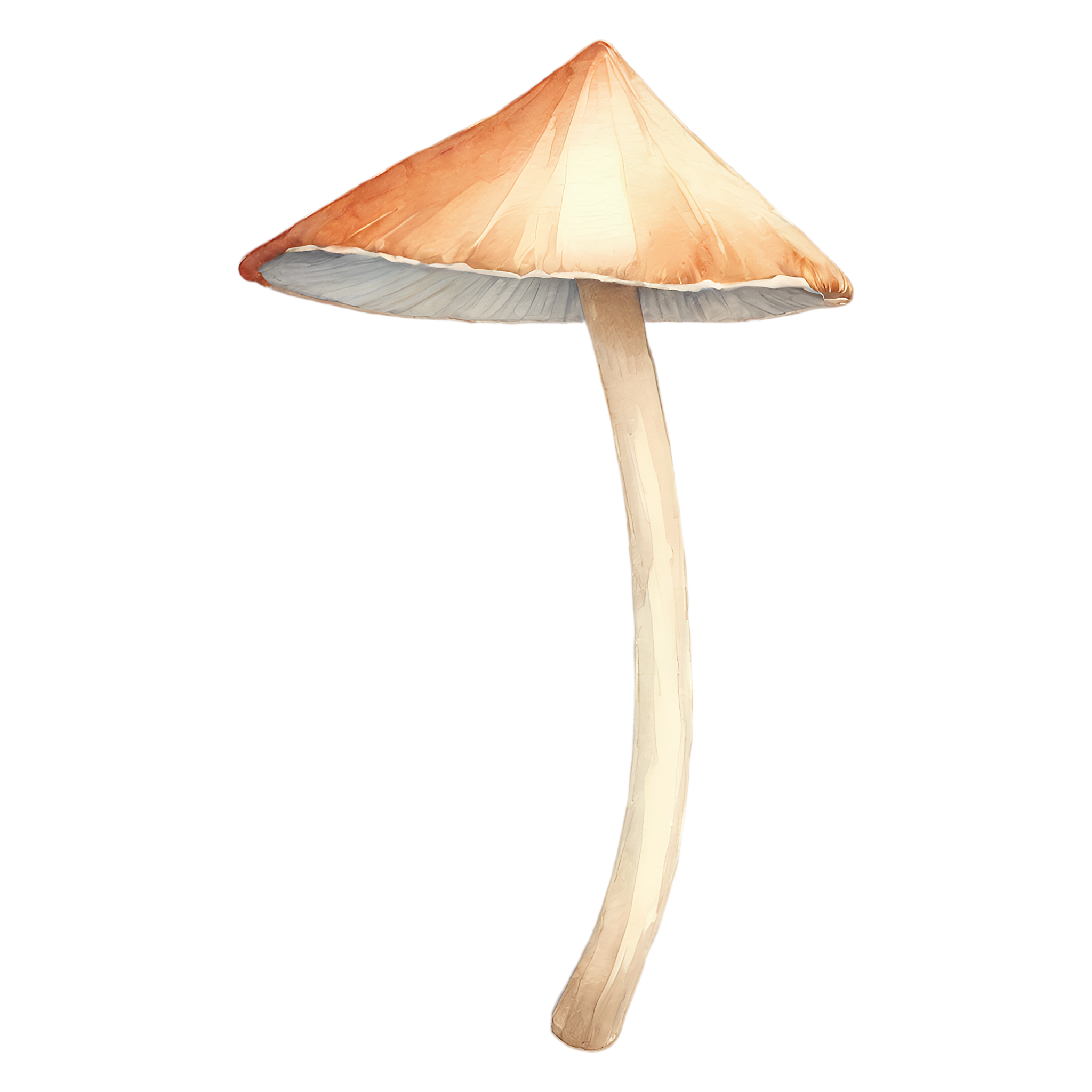
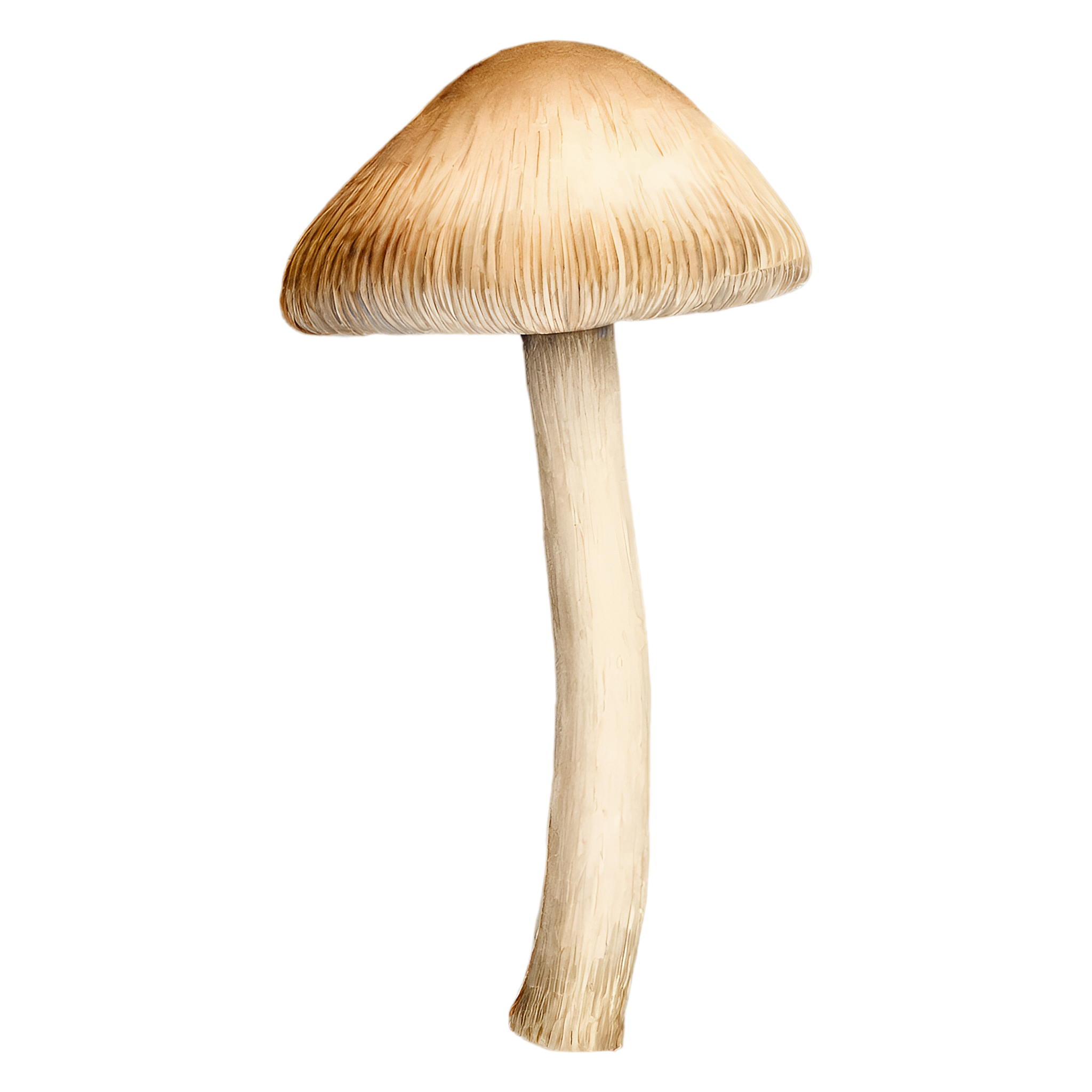
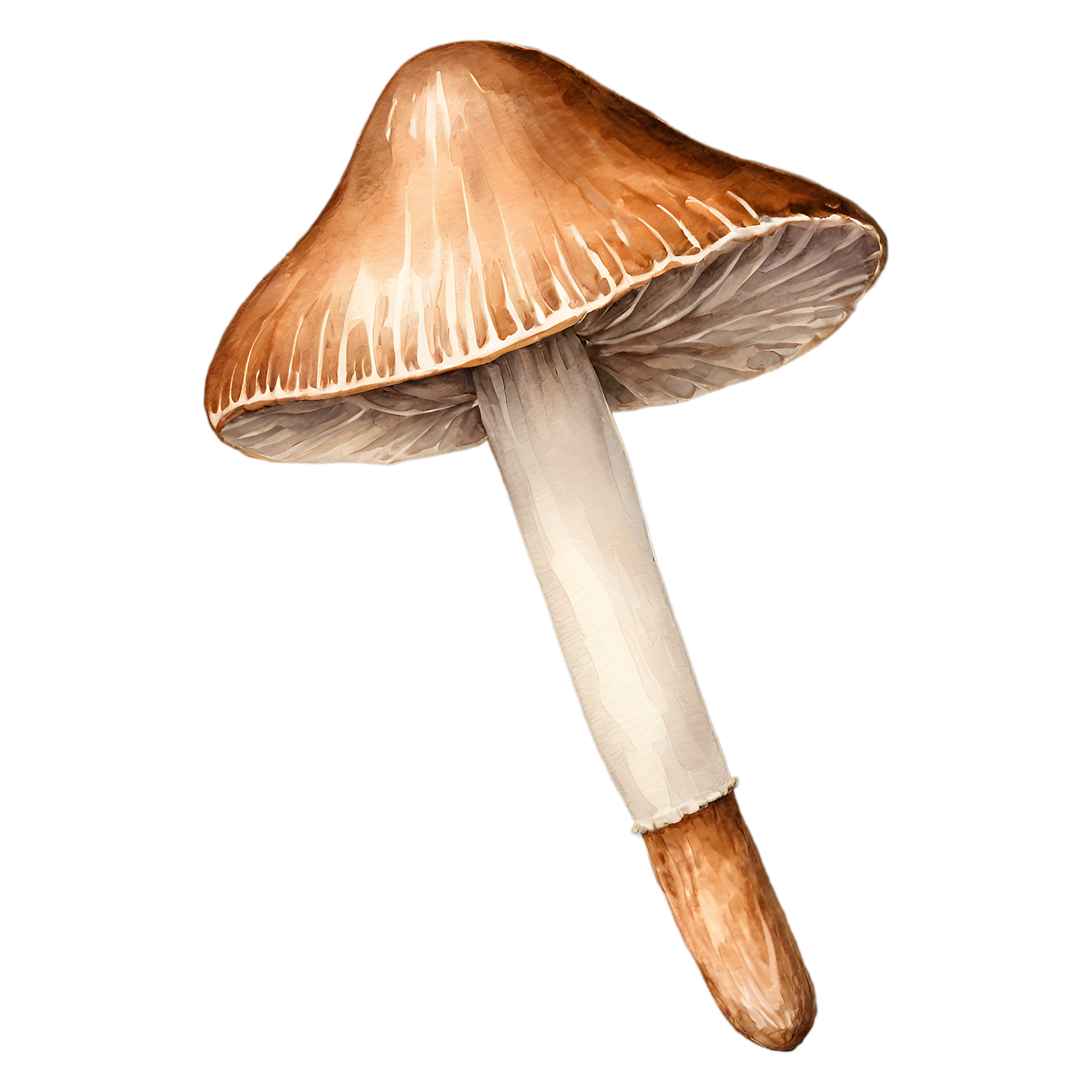
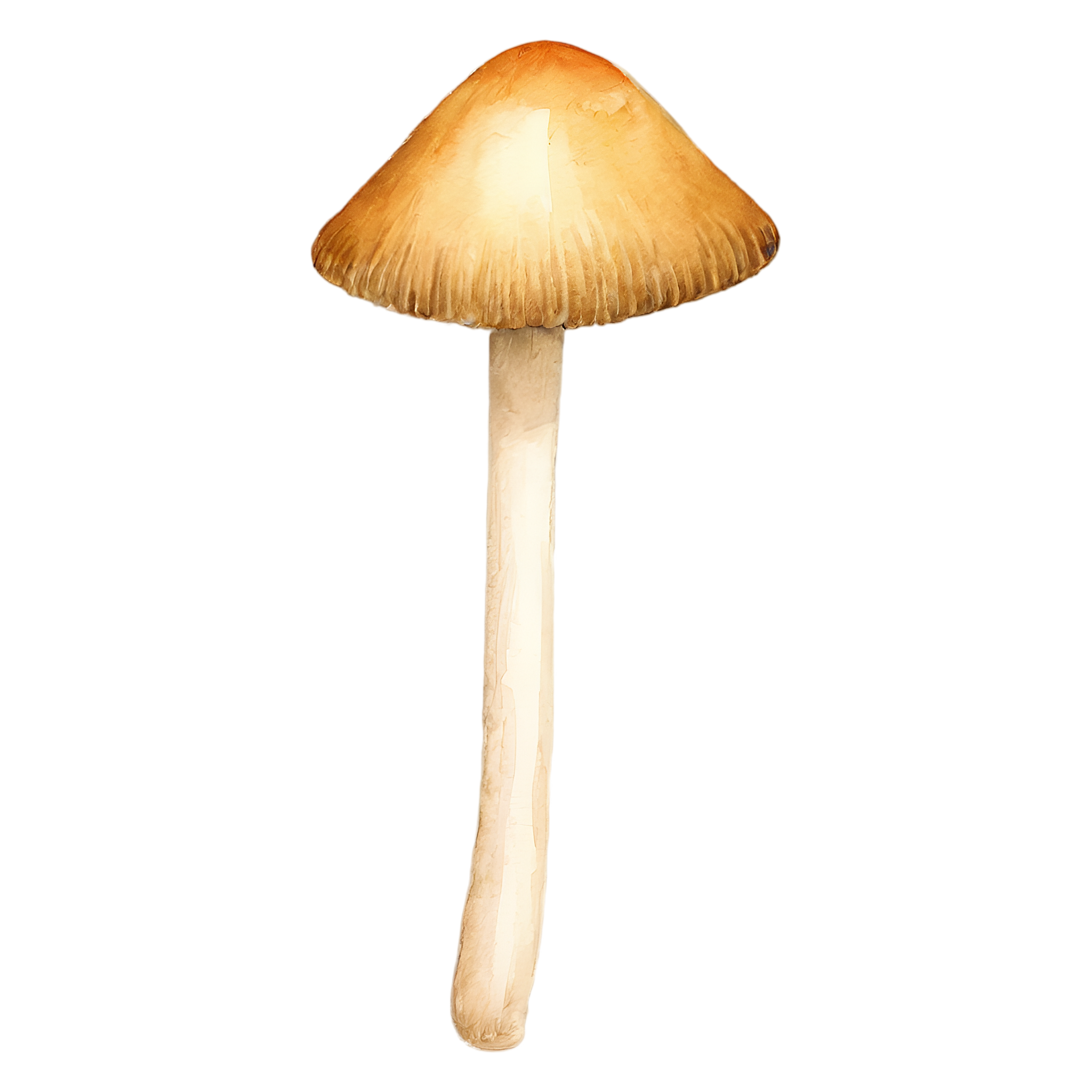
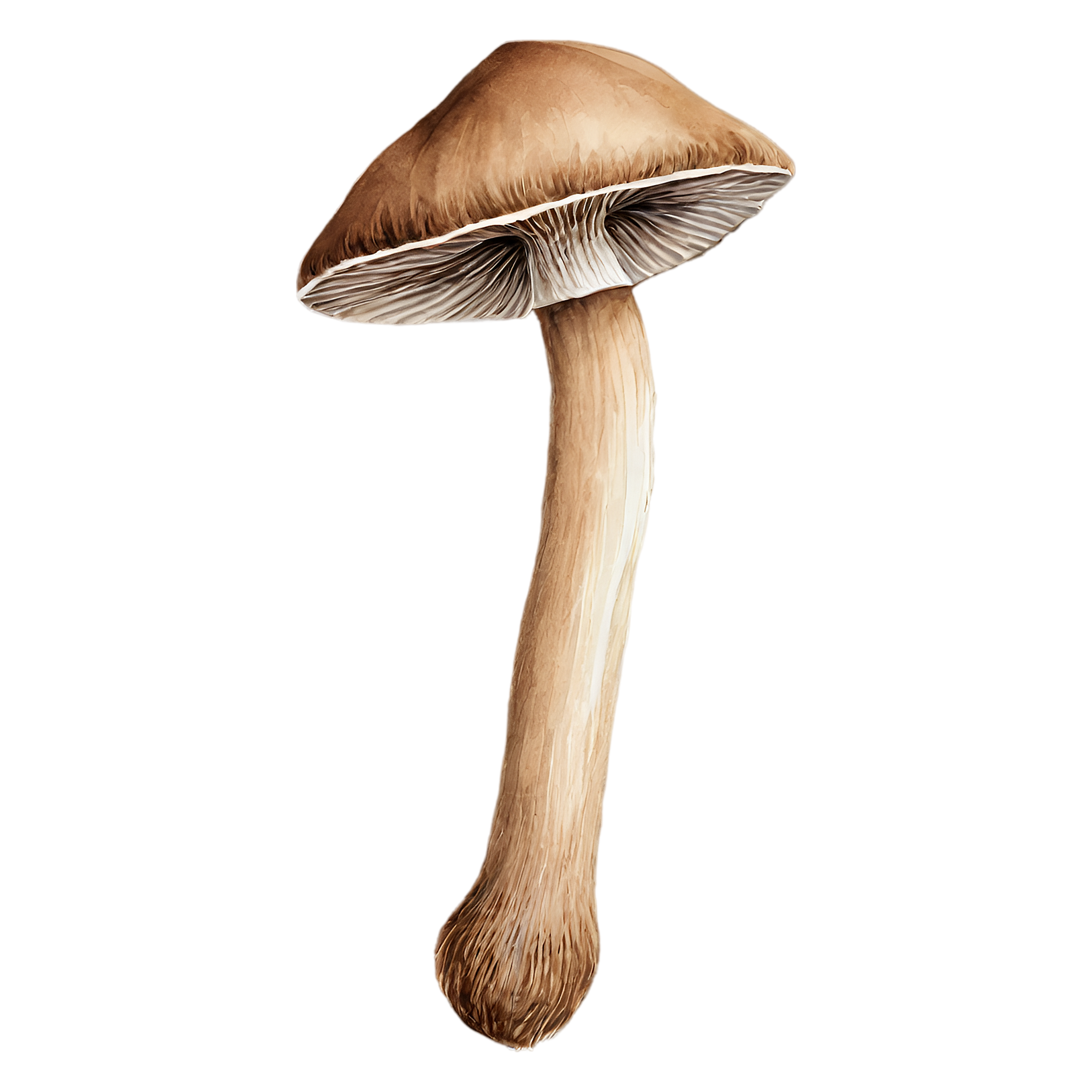
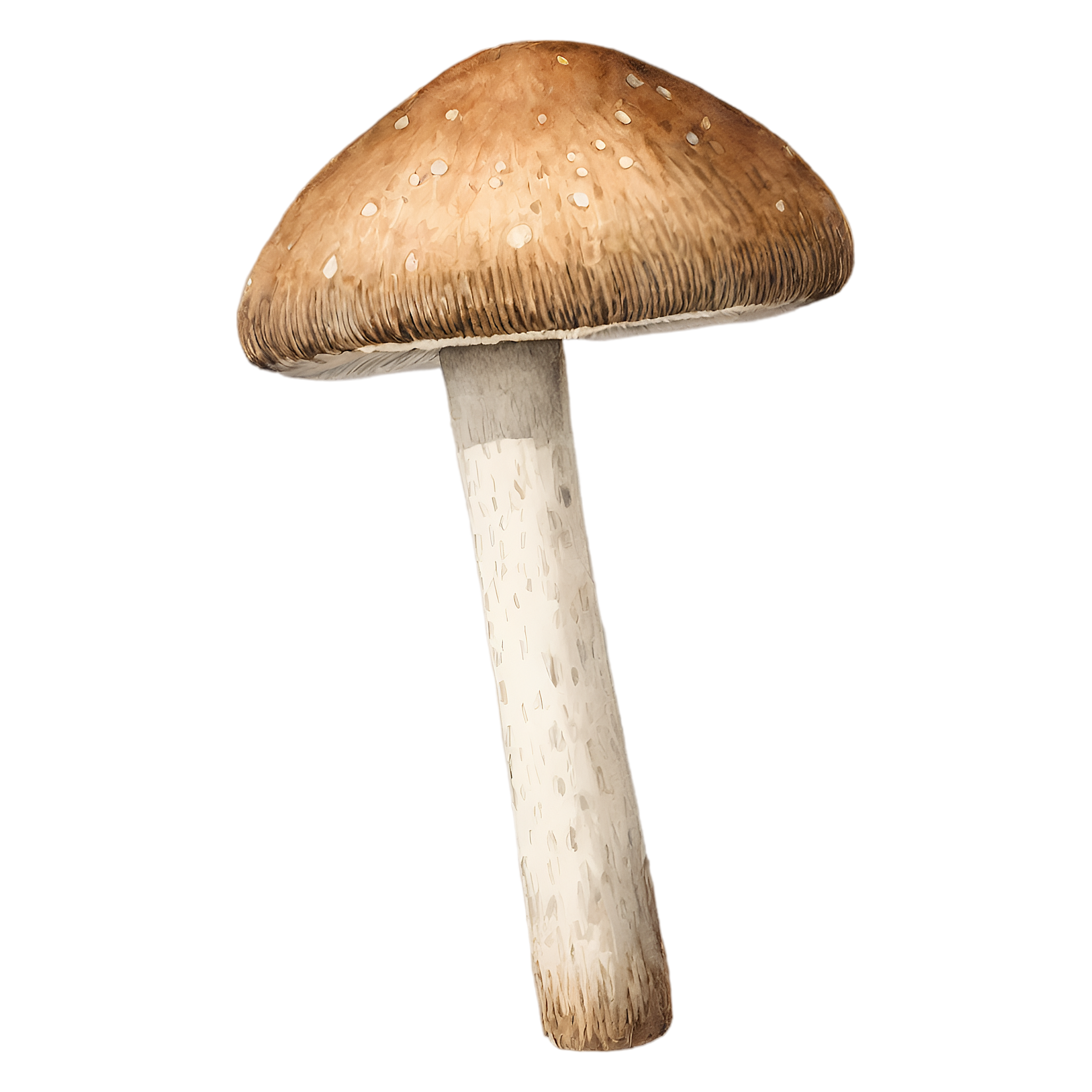
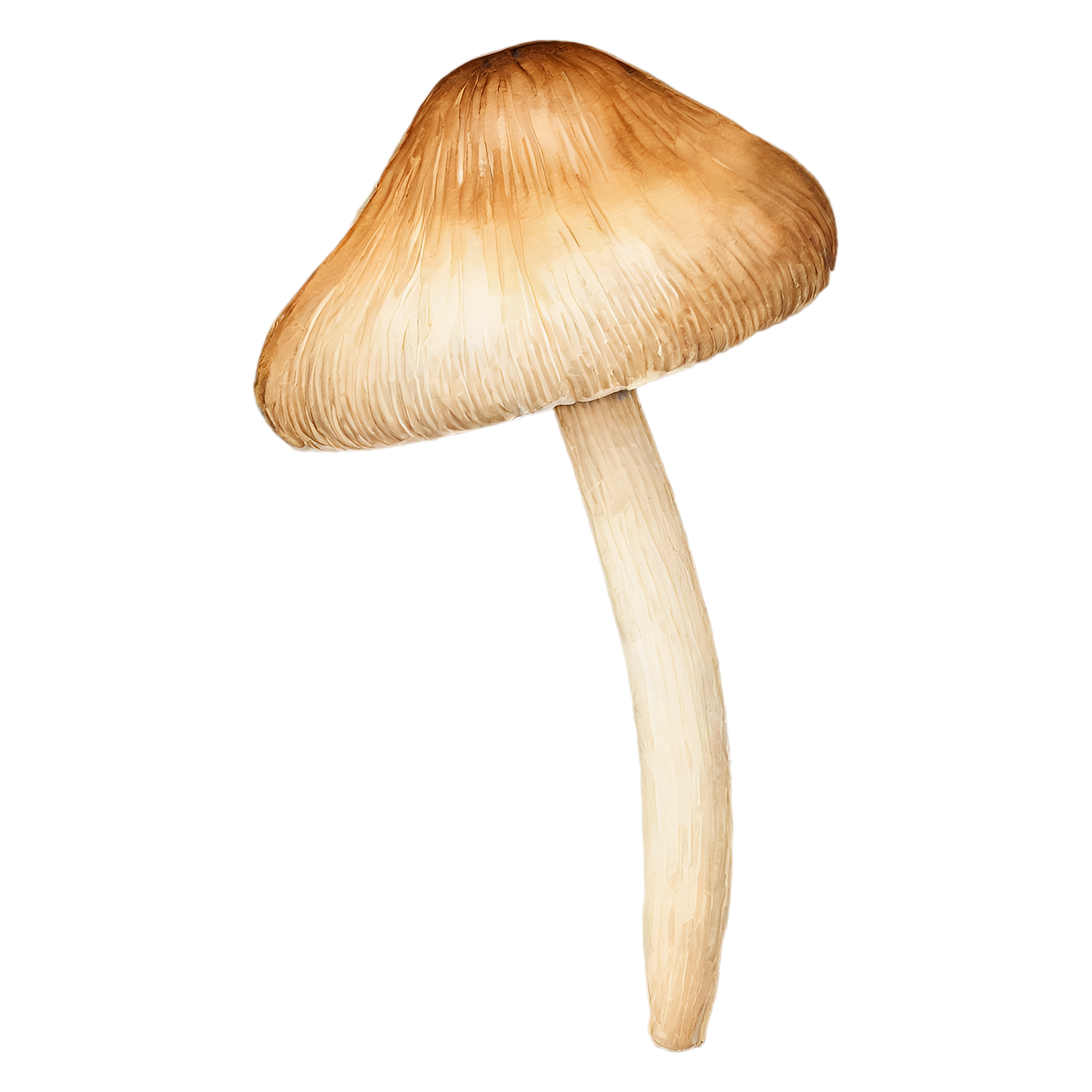
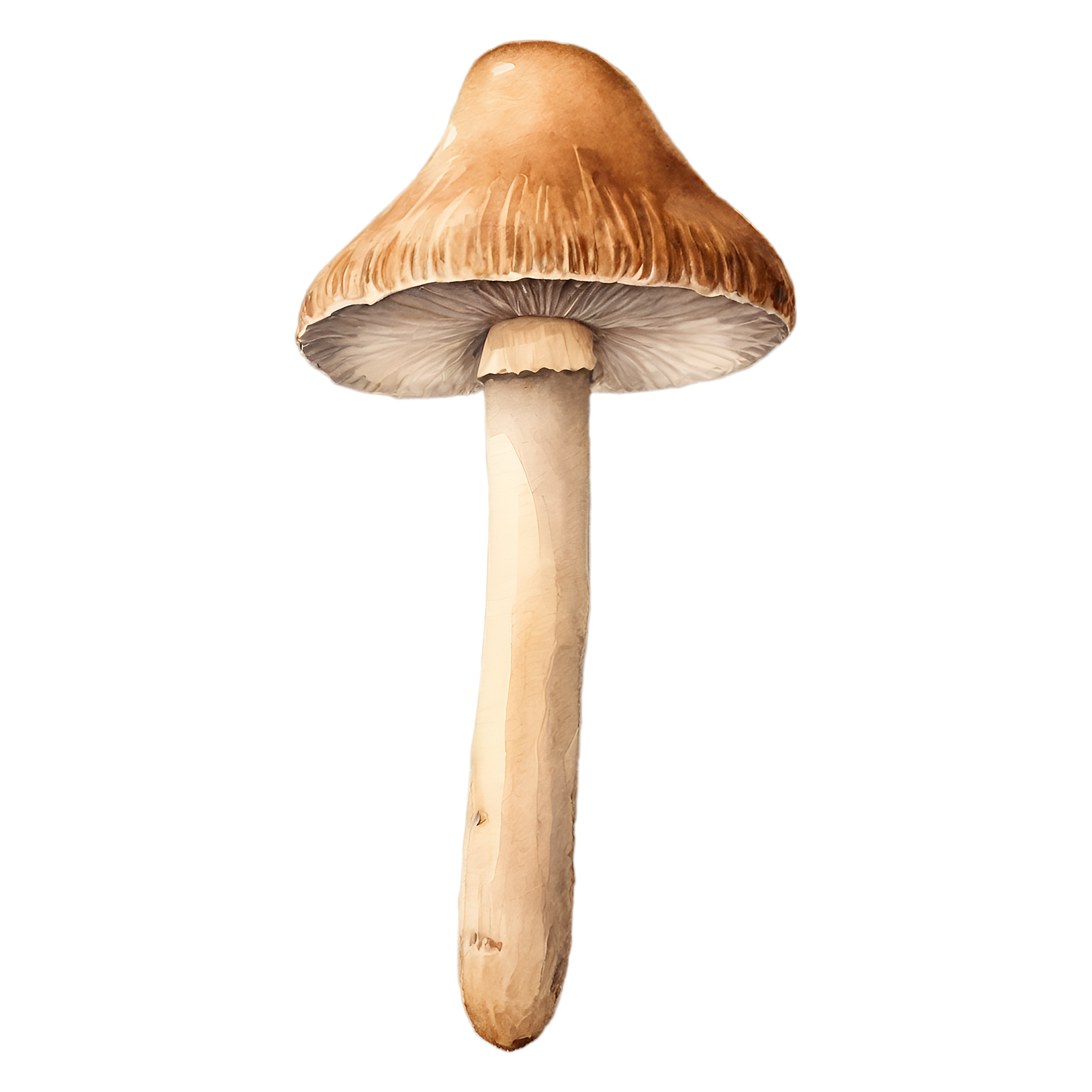
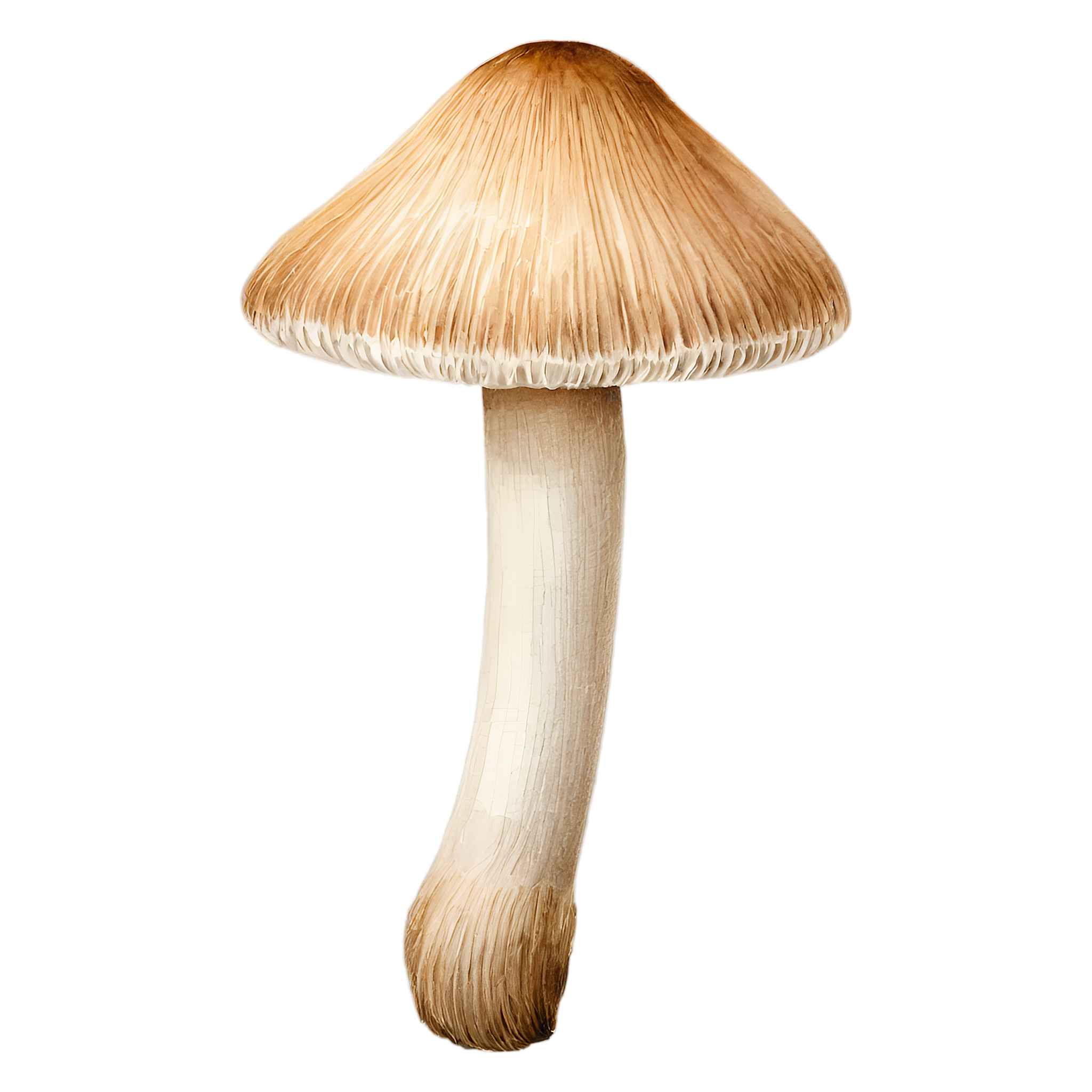
The set is a field of shapes rather than a list of species. You get a rounded tan cap on a thick stem, a brown bell-shaped cap, a flat parasol cap on a slender stem and a domed beige cap with pale gills showing underneath. There is a wavy chestnut-brown cap, a small ochre cap on a thin stem, a wide flat cap on a ringed stem, a honey-brown cap on a curved stem, a speckled grey-brown cap and a tall trumpet-shaped tan cap. Each mushroom stands alone without grass, soil or a ground line, so you can group them however you like.
Cottagecore, woodland nurseries and fall lessons
Brown forest mushrooms carry the cottagecore and woodland look without the fairy-tale red of a toadstool. Use them on autumn greeting cards, nature-journal stickers, cozy reading-nook prints, woodland-theme nursery art and baby shower invitations, and fairy garden printables. Mycology clubs and foraging walk organizers can use them on event flyers and newsletters, and farmers market growers selling cultivated mushrooms can use them on signs and bag labels. In September and October, teachers use mushrooms for fall science units on decomposers and the forest floor, and for Thanksgiving place cards the small ochre and honey-brown caps fit neatly beside a name.
Earthy browns and woodland neighbors
The palette stays in tan, beige, hazelnut and chestnut, matched on this page to DMC floss such as 437 Tan Light, 422 Hazelnut Brown Light and 3046 Yellow Beige Medium. Those quiet tones need one bright accent: a red-capped fly agaric among the brown caps makes an instant storybook cluster. Tuck ferns behind the stems for a forest floor, or set the mushrooms at the foot of an oak tree for a full autumn scene. Every fungus on the site is in the mushrooms hub, and seasonal pairings are in the autumn hub.
A parts-of-a-mushroom worksheet
Two images in this set suit a labeled diagram. The domed beige cap shows pale gills under its rim, and the wide flat cap has a ring on its stem, so between them a student can label cap, gills, ring and stem. Print each at about 4 inches tall with leader lines to blank labels, and add a spore-print activity on the back of the sheet. Each file is a 2048 x 2048 px transparent PNG, about 6.8 inches at 300 DPI, so a full-page version for a classroom wall stays sharp. Keep the worksheet clear that these are drawings, not identification guides. For a sorting game, print all ten caps small and ask students to group them by shape: bell, flat, domed, wavy or trumpet.