The honeycomb mushroom of spring
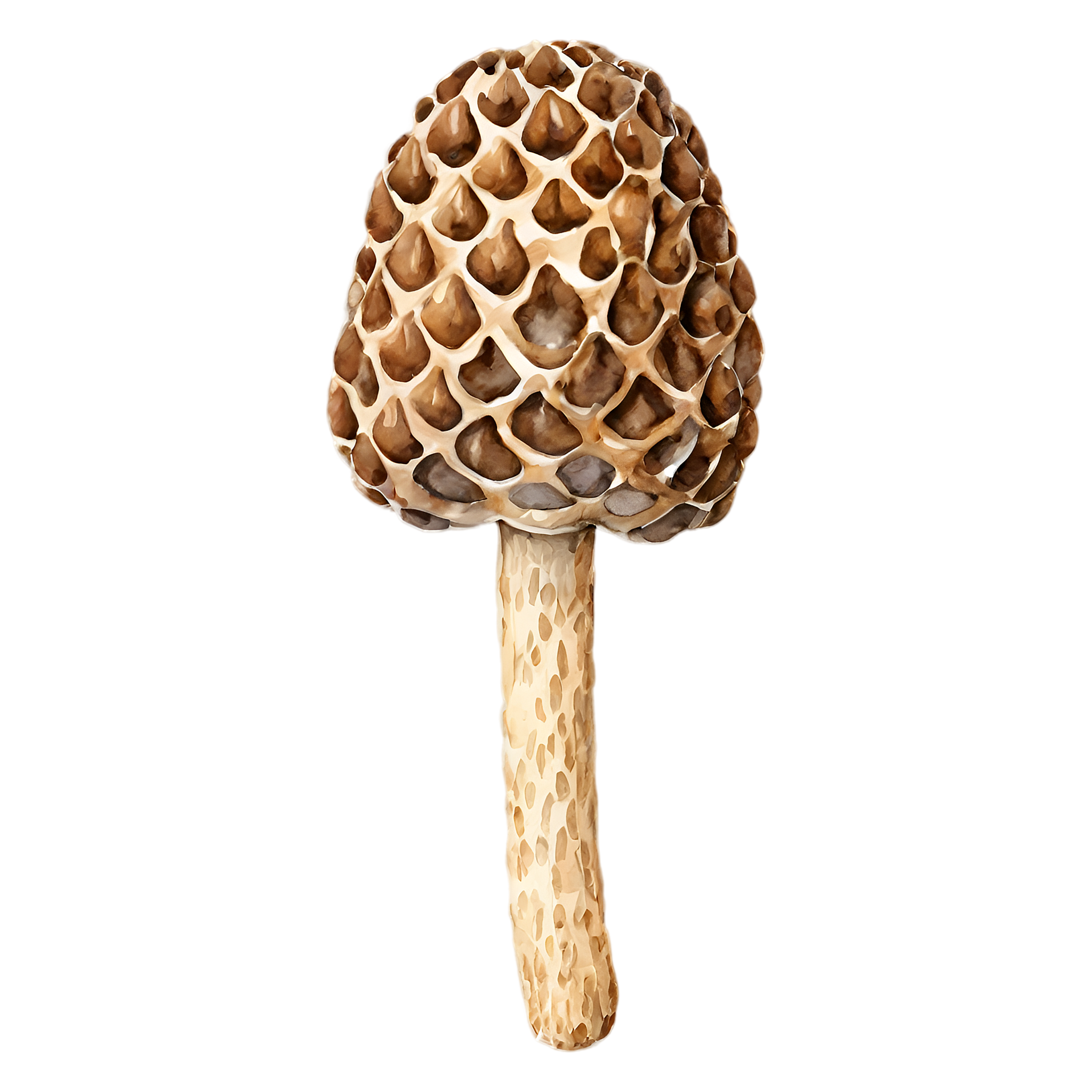
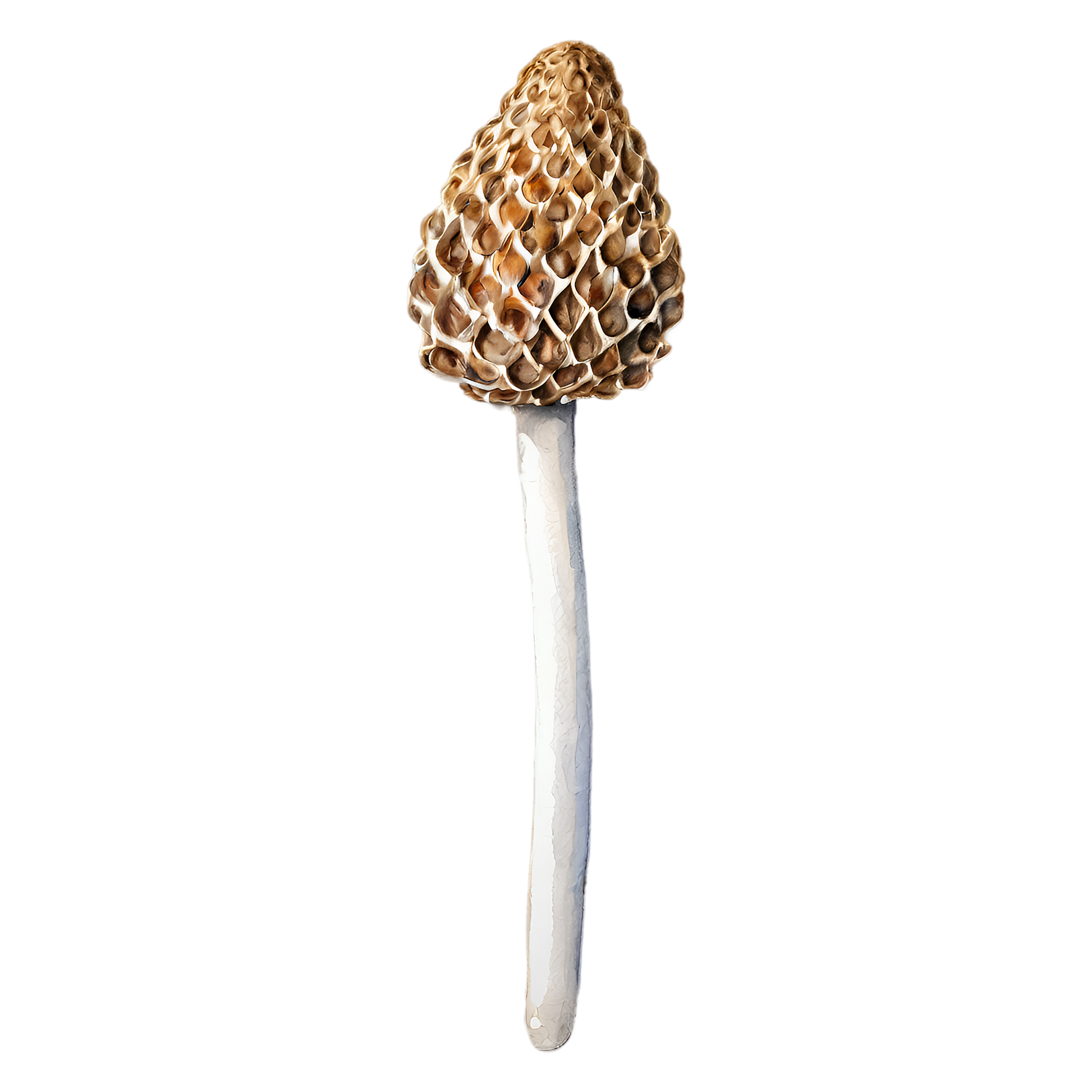
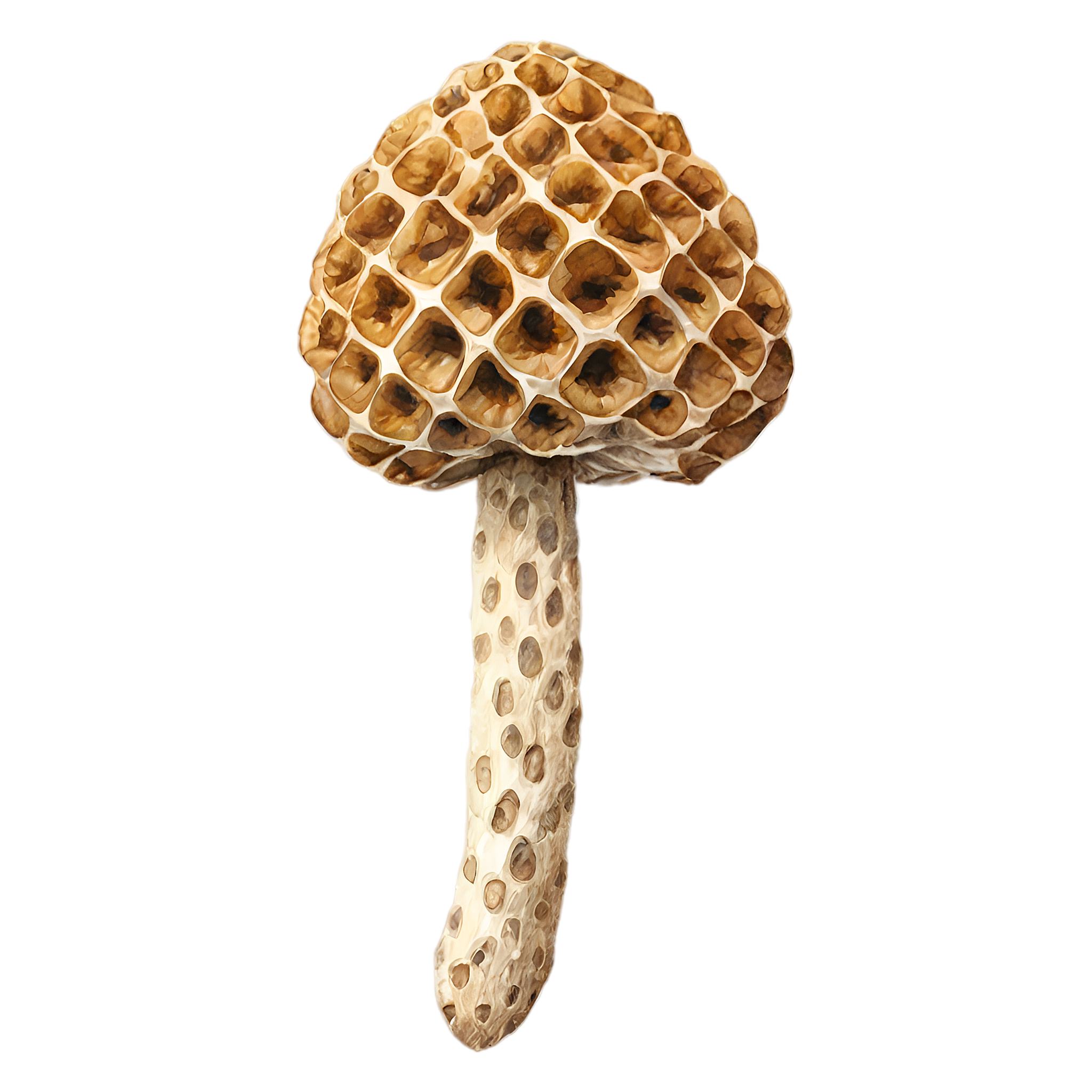
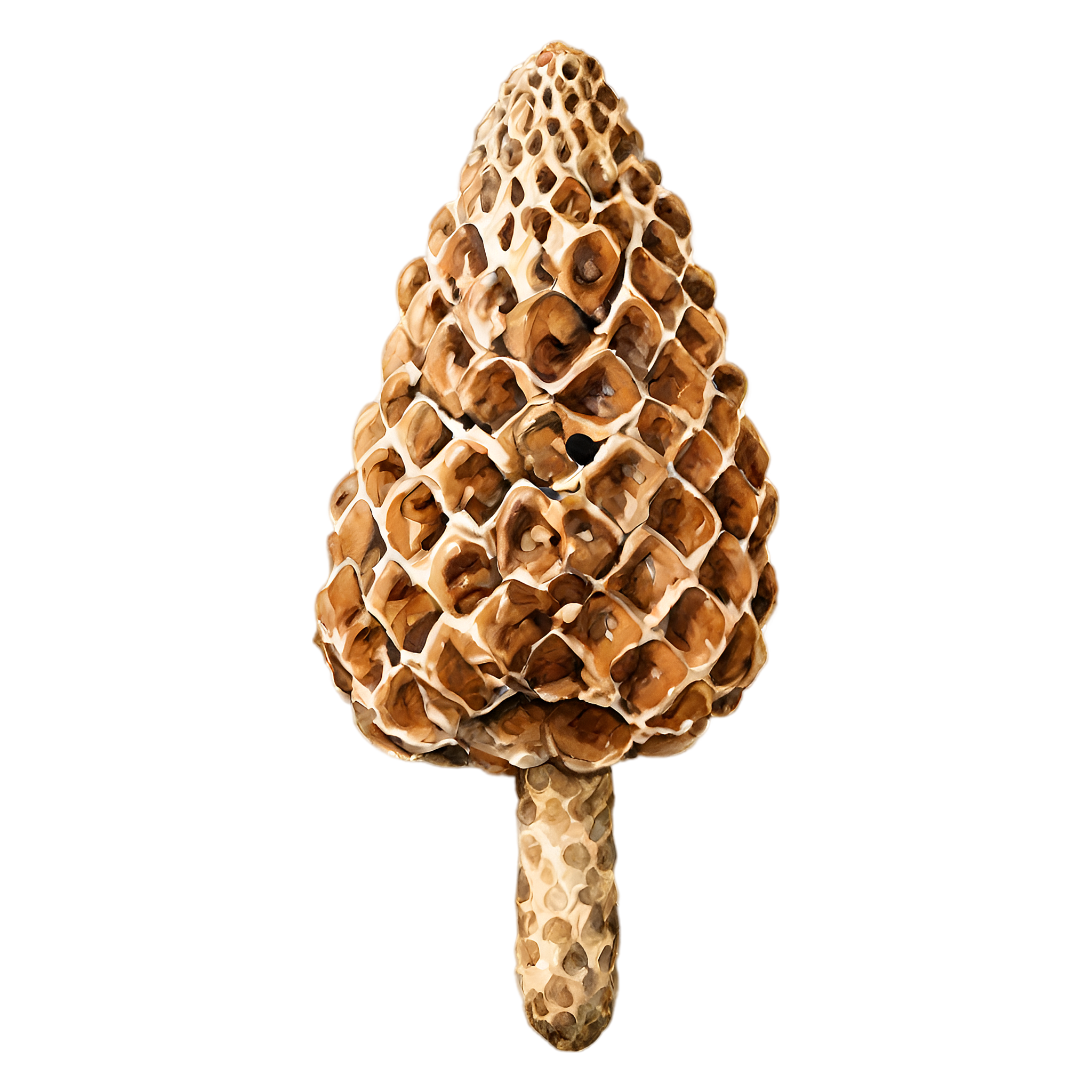
Morels (genus Morchella) are among the most recognizable mushrooms in the world. The cap is covered in a network of ridges and deep pits, like a sponge or a honeycomb, and it is joined directly to a pale stem; cut lengthwise, the whole mushroom is hollow. Morels fruit in spring, for a few weeks as the soil warms, and they are often associated with particular trees and with forests that burned the year before. People commonly group them by color into yellow (or blond), gray and black morels. Morels are prized in French and American cooking, and Minnesota names the morel as its official state mushroom. Poisonous look-alikes called false morels also exist, so any wild mushroom must be identified by an expert before it is eaten.
Ten caps, from slender to stout
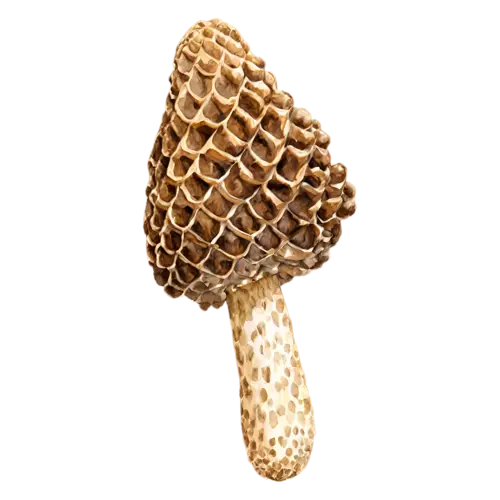
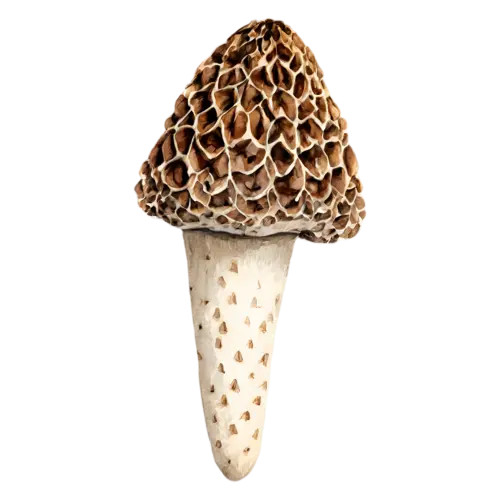
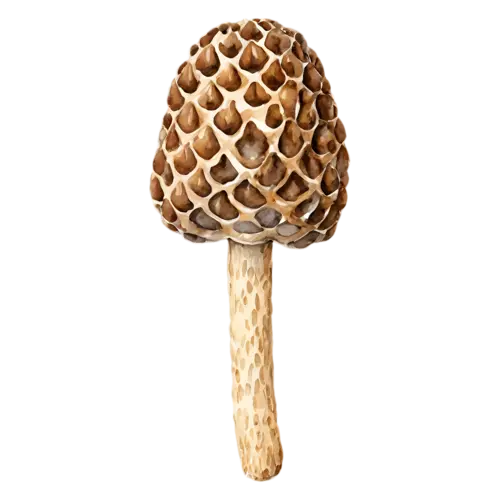
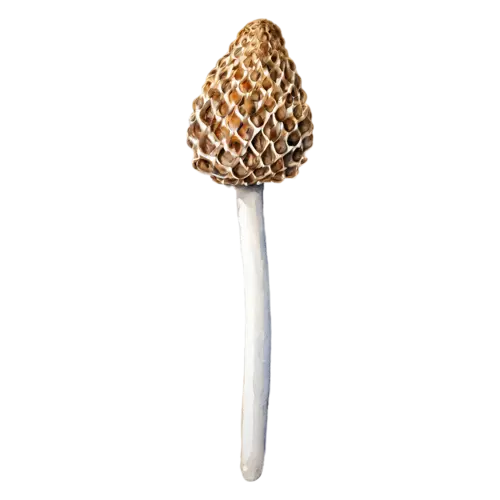
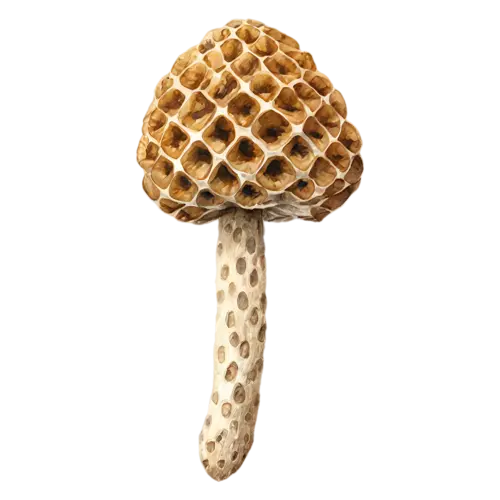
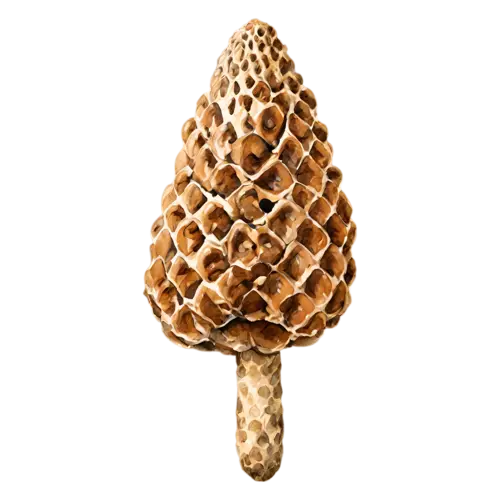
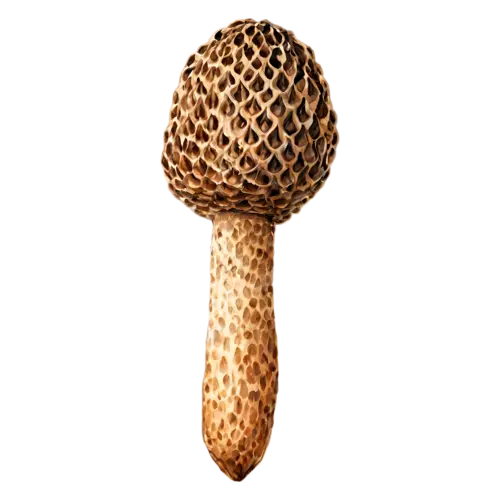
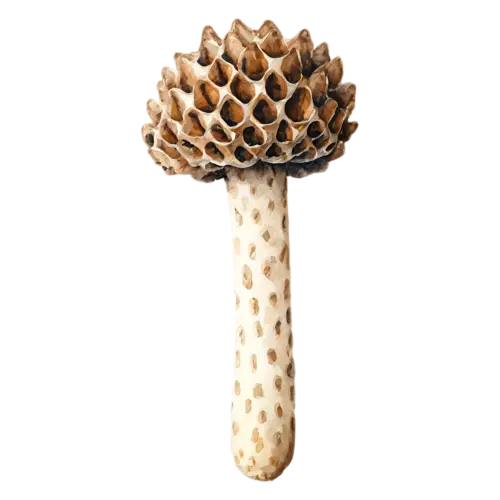
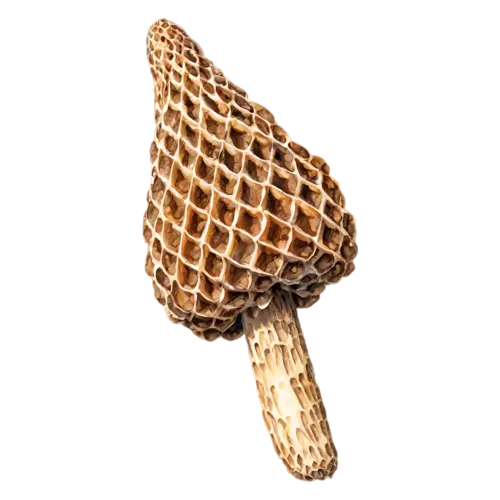
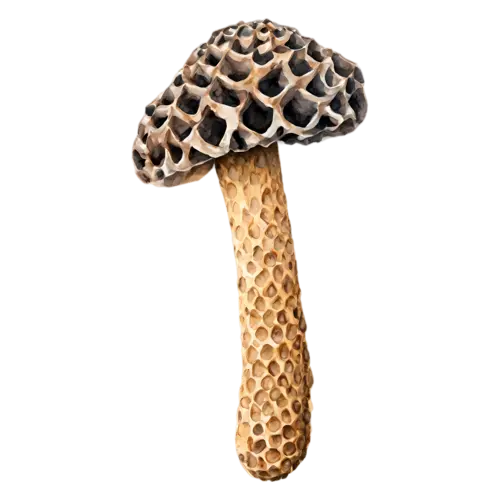
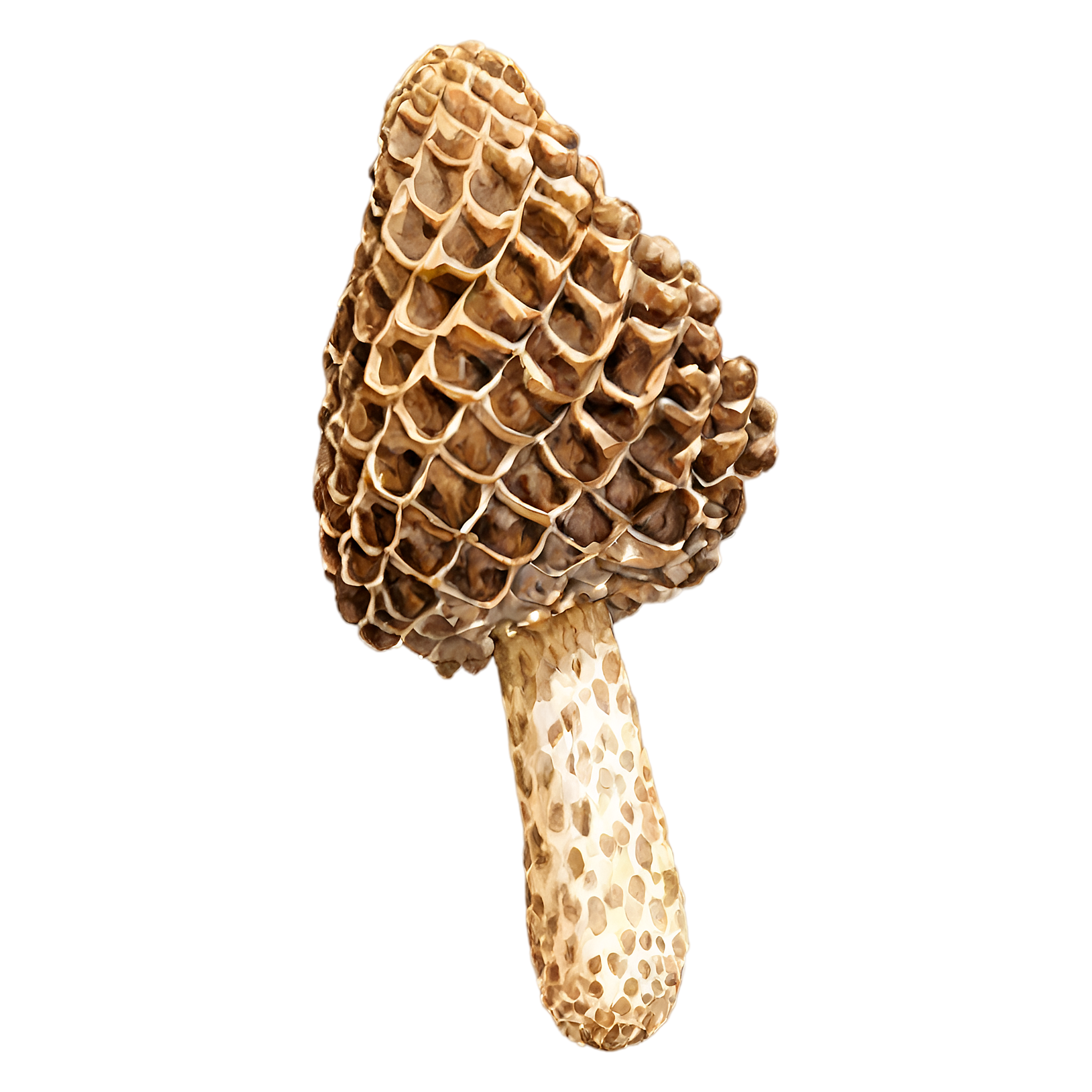
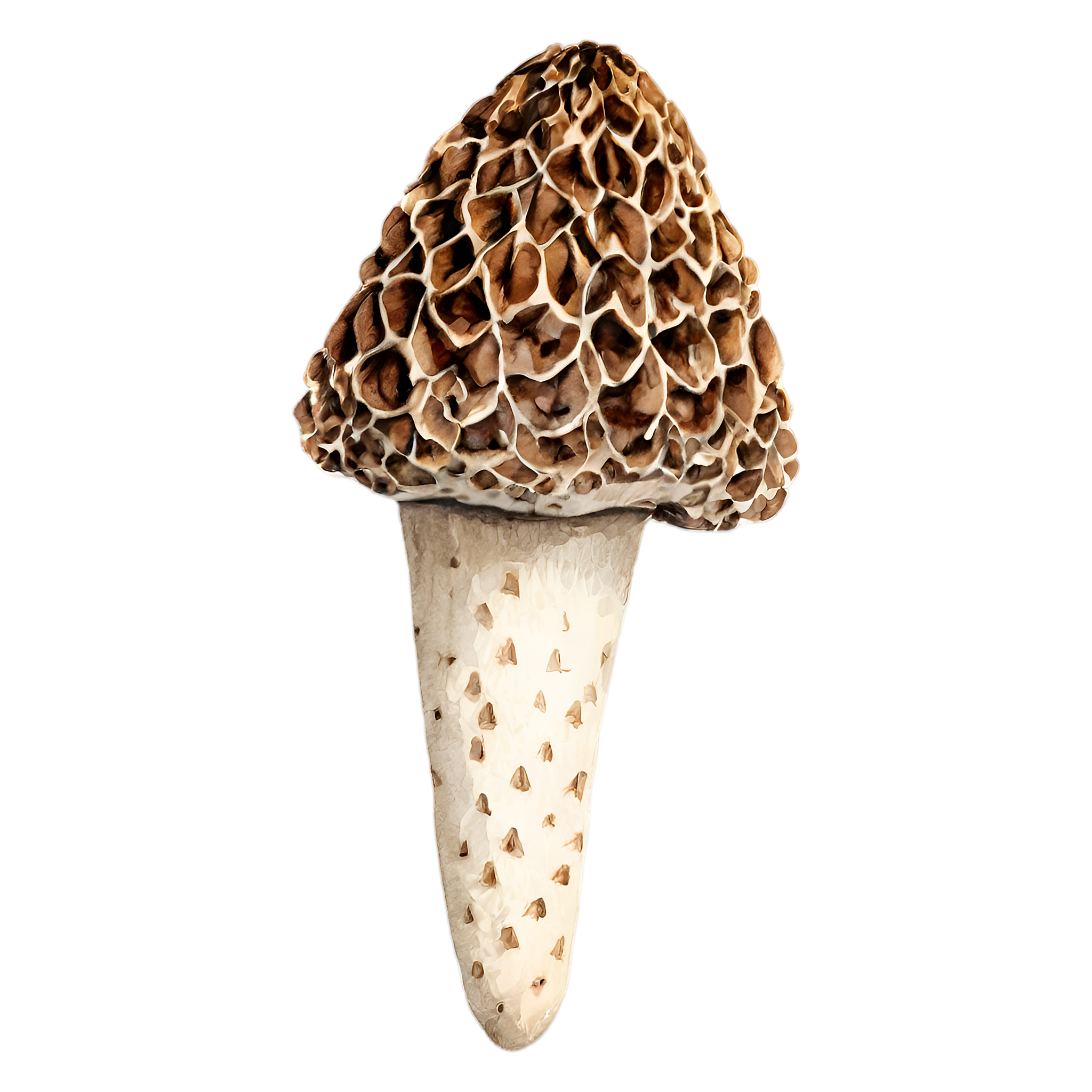
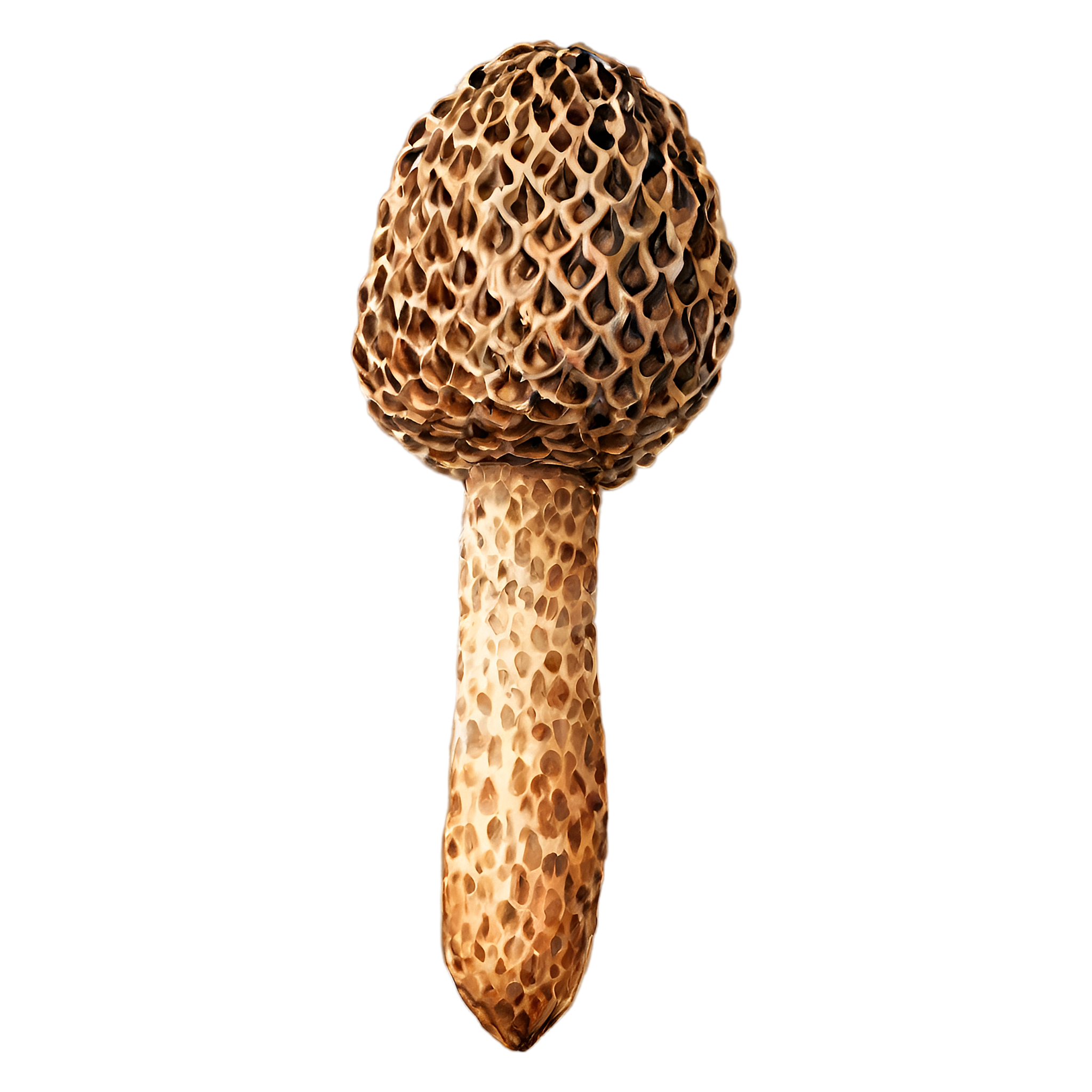
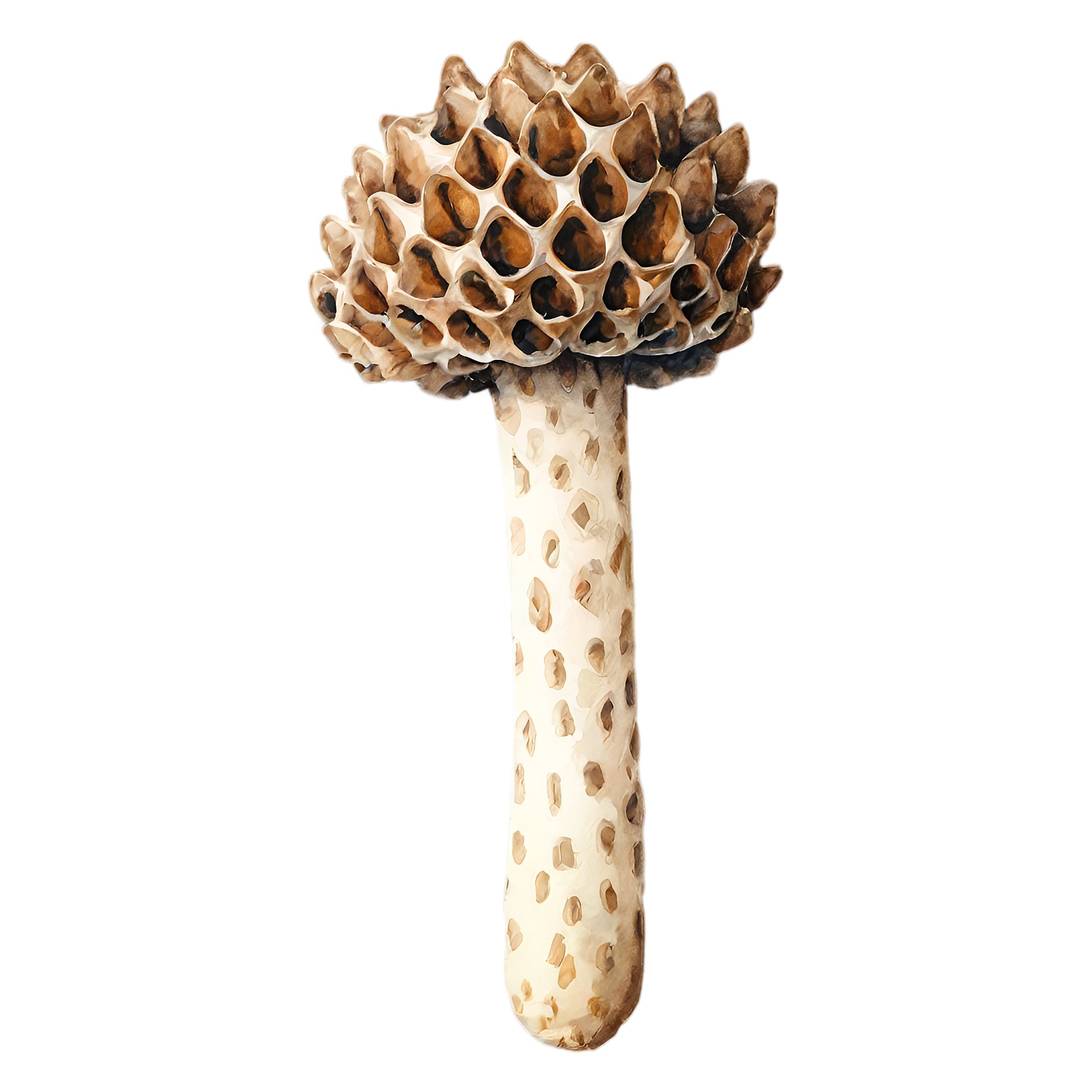
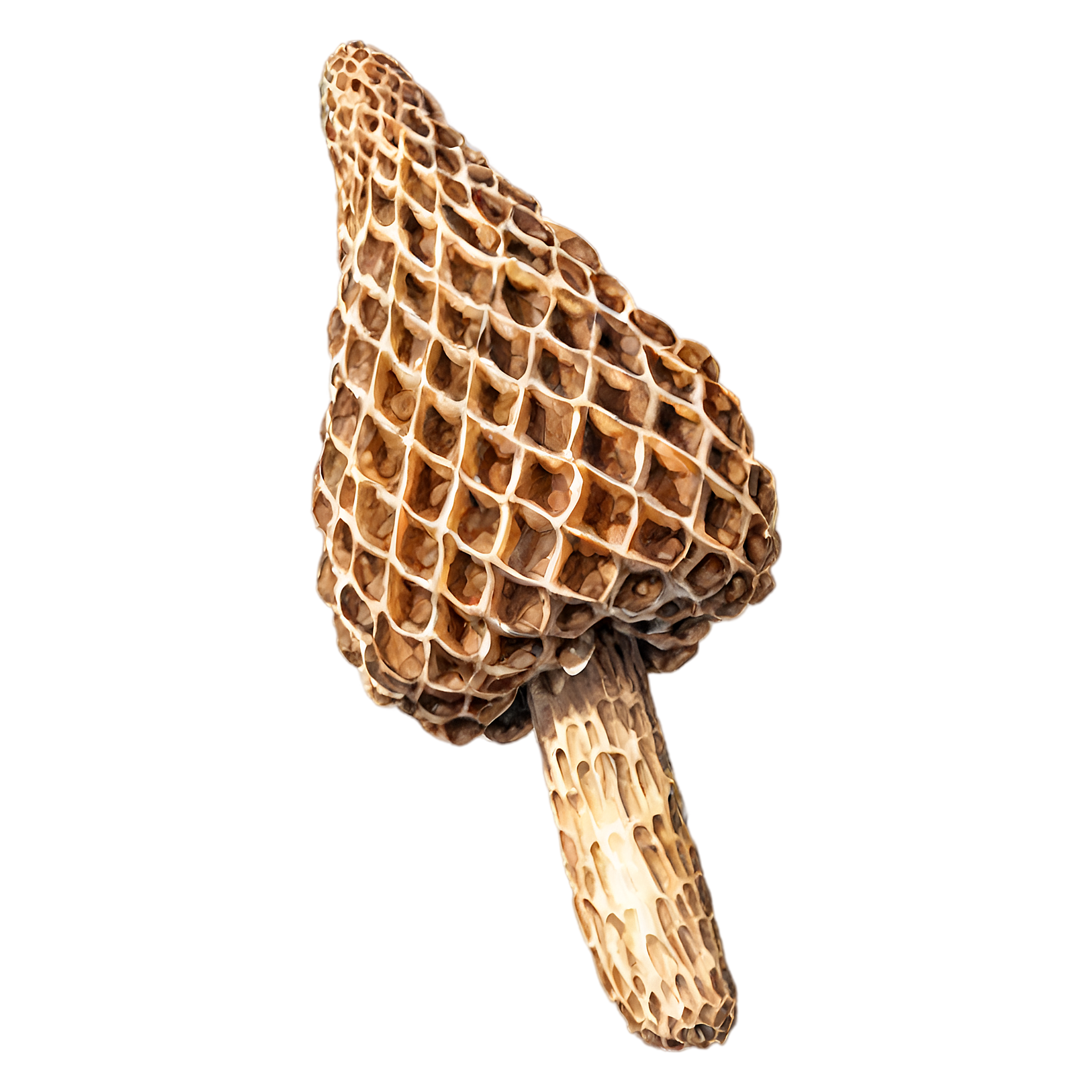
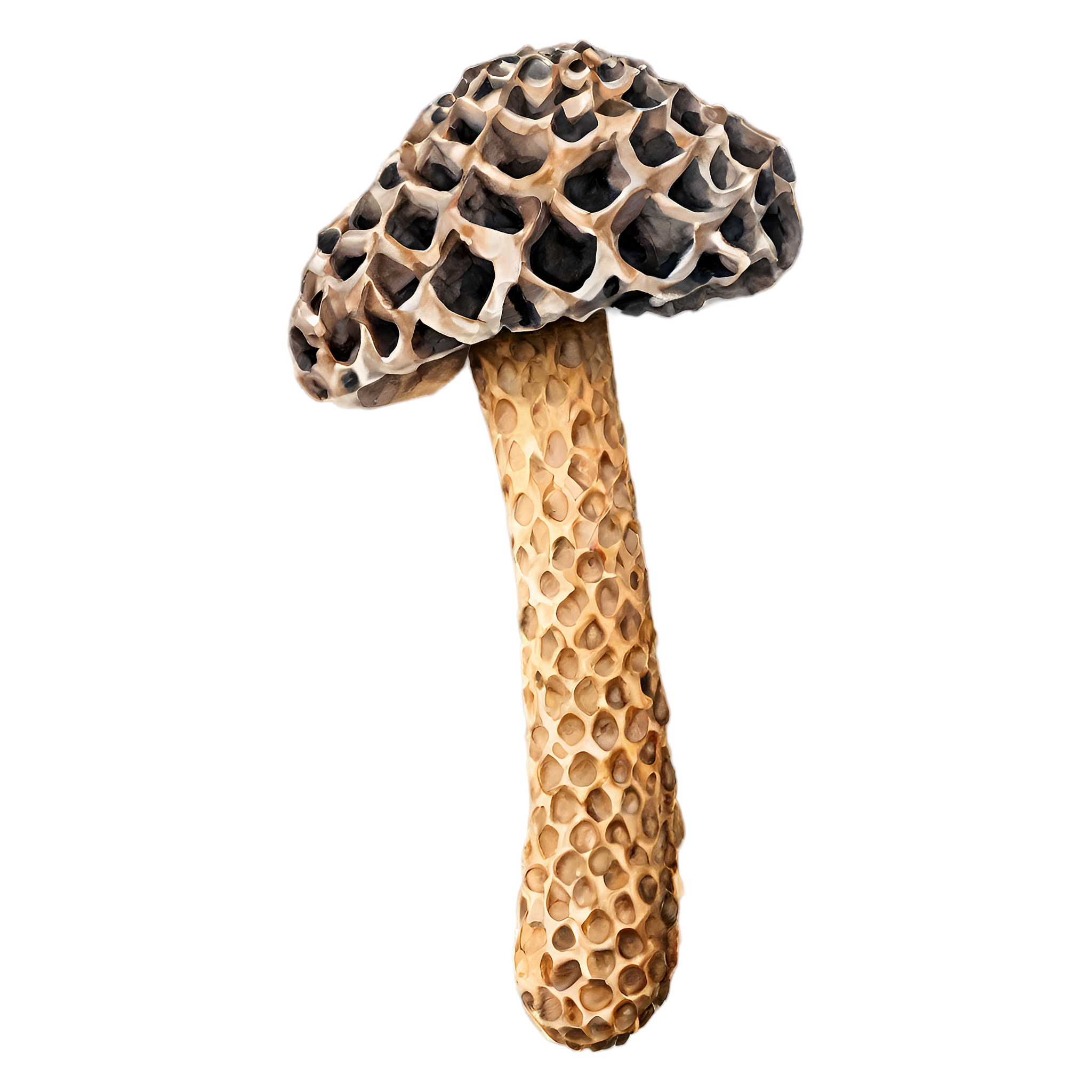
Morels vary a lot in shape, and the set reflects that. Several caps are tall: a tall honeycombed tan cap, an elongated honeycombed cap and a narrow pointed one. Others are conical or rounded: a conical pitted brown cap, a rounded honeycomb cap on a short stem and a stout honeycombed cap on a thick stem. The colors run from a golden-tan netted cap and a deep tan ridged cap to a gray-brown pitted cap and a dark brown, deeply pitted cap, matching the yellow, gray and black morels people talk about. Each image is a single morel standing upright, so you can line them up in a row, scatter a few on a recipe card, or cluster three of different heights.
Recipe cards, festival posters and mushroom clubs
Morel season is short and celebrated. Several Midwestern towns hold morel festivals each spring, and those flyers, T-shirts and contest ribbons are a natural home for this set. It also fits farm-to-table restaurant menus, spring specials boards and farmers market signs, along with spring cookbooks and recipe cards. Mushroom clubs and mycological societies use morel art on newsletters and meeting flyers, and nature journalers and cottagecore stationery makers add morels to spring pages. For a mixed woodland mushroom design, pair this set with the golden chanterelle or the red-capped fly agaric, or use the forest mushrooms gallery for a full forest-floor scene.
Coffee browns, tans and cream
The palette is earthy: dark coffee and black-brown in the deep pits, medium and light brown on the ridges, tan and pale beige on the stems and a soft cream in the highlights. These tones sit well on kraft paper, natural linen and sage or moss green, and they look sharp on a cream recipe card with dark brown lettering. For contrast, add a fresh spring green such as a fern or wild garlic leaf. The set is part of the mushroom clipart hub and the spring hub. Each image on this page lists its main HEX colors with the nearest DMC floss and Copic marker, which helps match browns that otherwise look alike on screen.
Tip: keep the pits dark when you shrink it
What makes a morel read as a morel at small sizes is the contrast between the dark pits and the light ridges. Every file is a 2048 x 2048 px transparent PNG, about 6.8 inches square at 300 DPI, and the honeycomb holds up well down to about 1 inch, but if you lighten an image to match a pale background, the pits wash out first. For Cricut print-then-cut stickers, the stout and rounded caps cut cleanly; the narrow pointed cap needs a little extra offset at the tip. For embroidery, use the DMC matches on this page: outline the ridges in a light tan backstitch and fill the pits with a dark brown seed stitch.