Garden sage: the velvet-leaved kitchen herb
Garden sage (Salvia officinalis) is a woody perennial in the mint family, native to the Mediterranean. Its oblong gray-green leaves are covered in fine hairs that give them a soft, pebbled feel, and in late spring the plant sends up spikes of lavender-blue flowers that bees visit heavily. The genus name is usually traced to the Latin salvere, to be well. In the kitchen sage is a fall and winter herb: it goes into Thanksgiving stuffing, sage brown butter over squash ravioli, and Italian saltimbocca, where a leaf is pinned to veal with prosciutto. Pineapple sage (Salvia elegans) is a separate species from Mexico and Central America, with bright green leaves that smell of pineapple and red tubular flowers that hummingbirds visit in late summer and fall.
Ten sprigs, two species
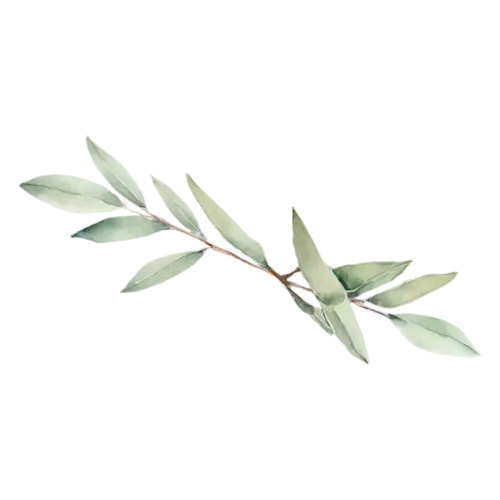
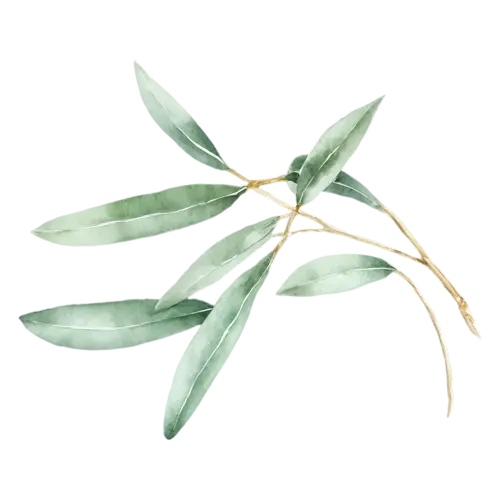
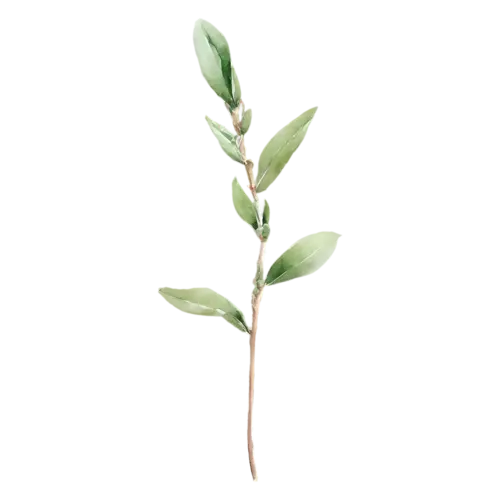
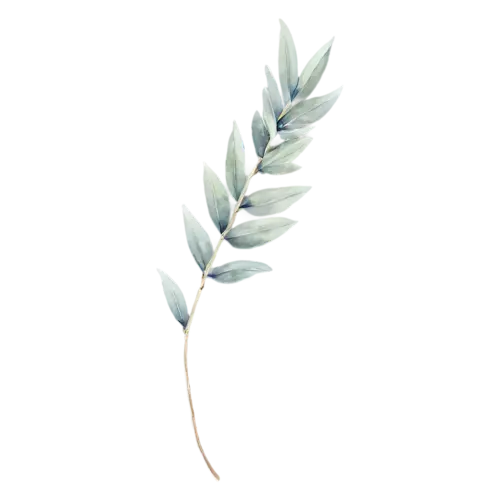
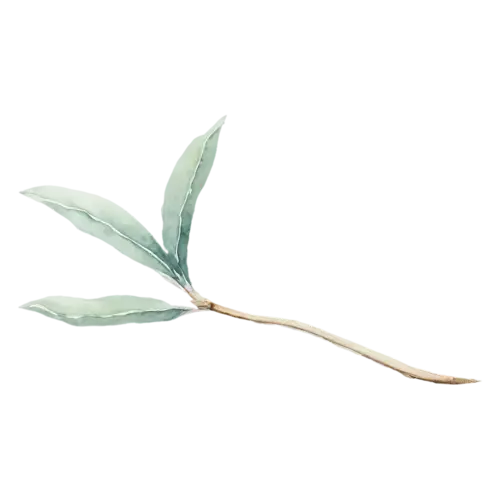
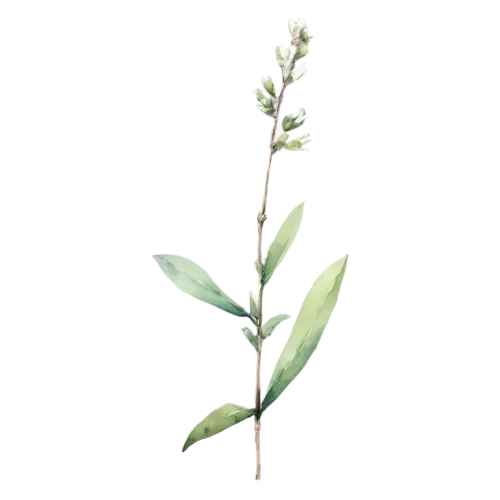
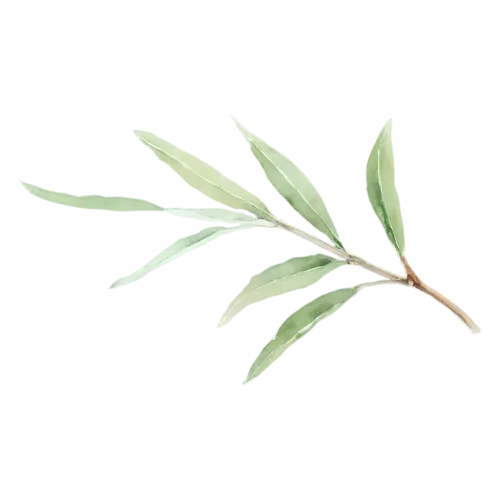
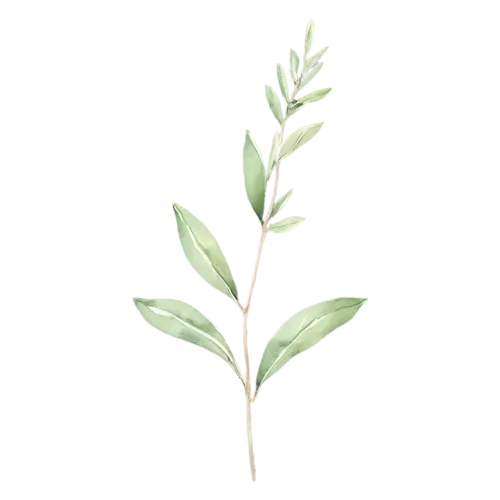
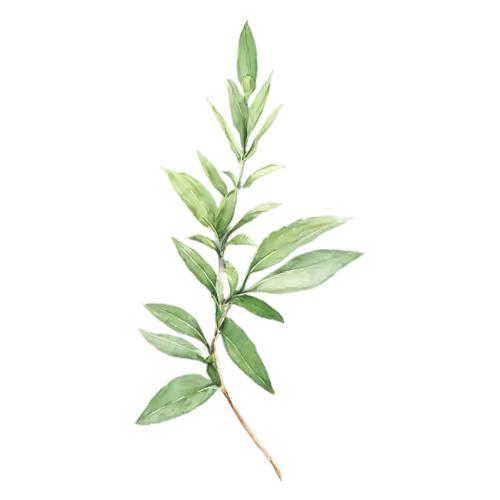
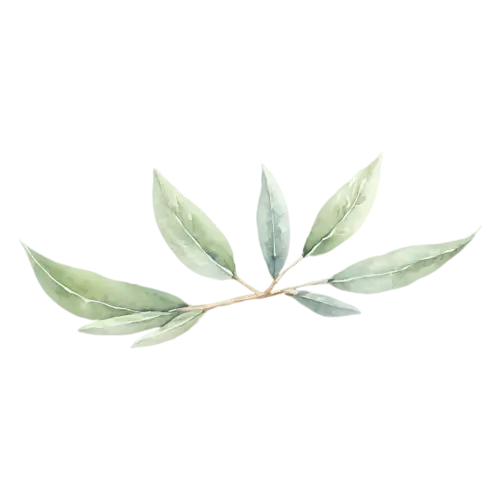
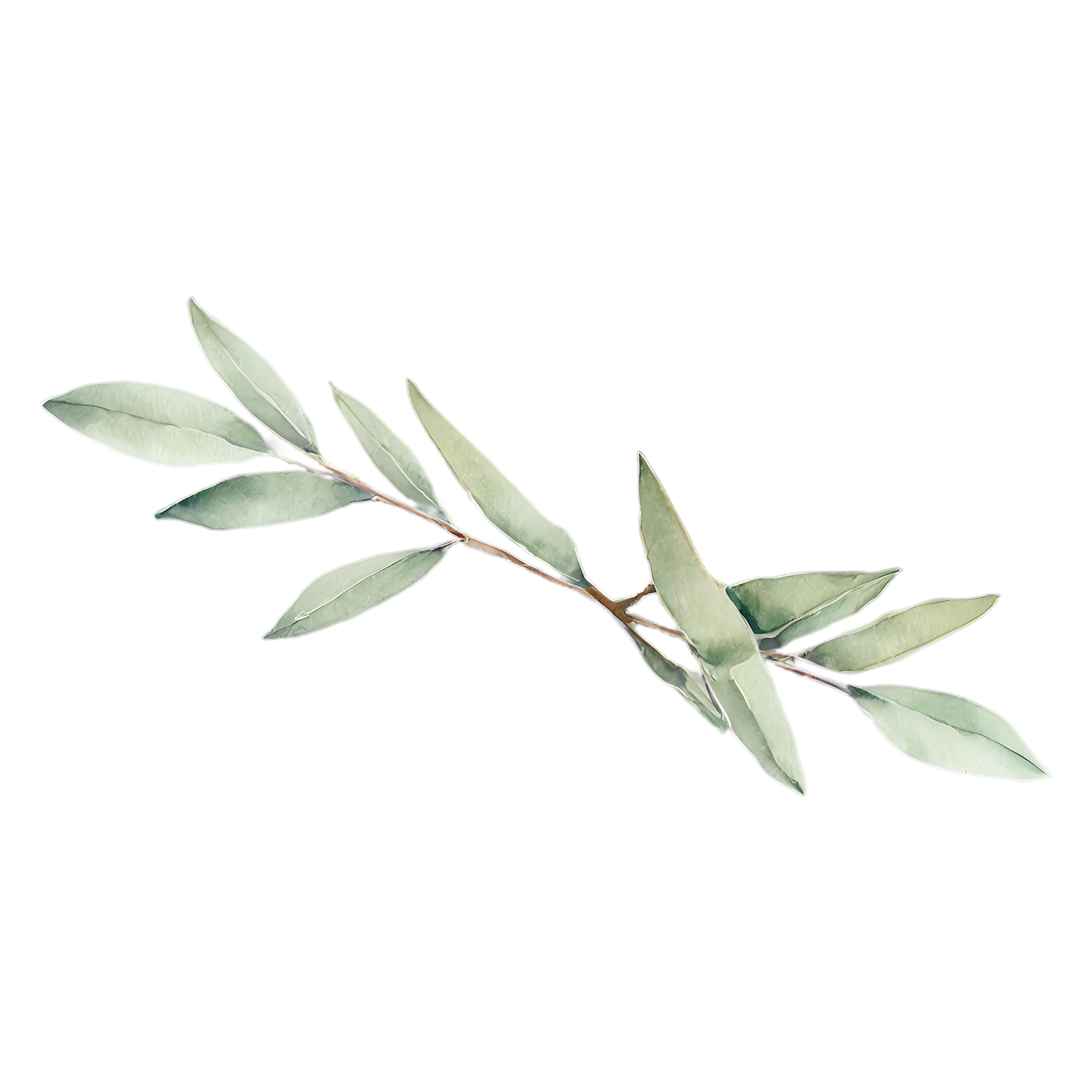
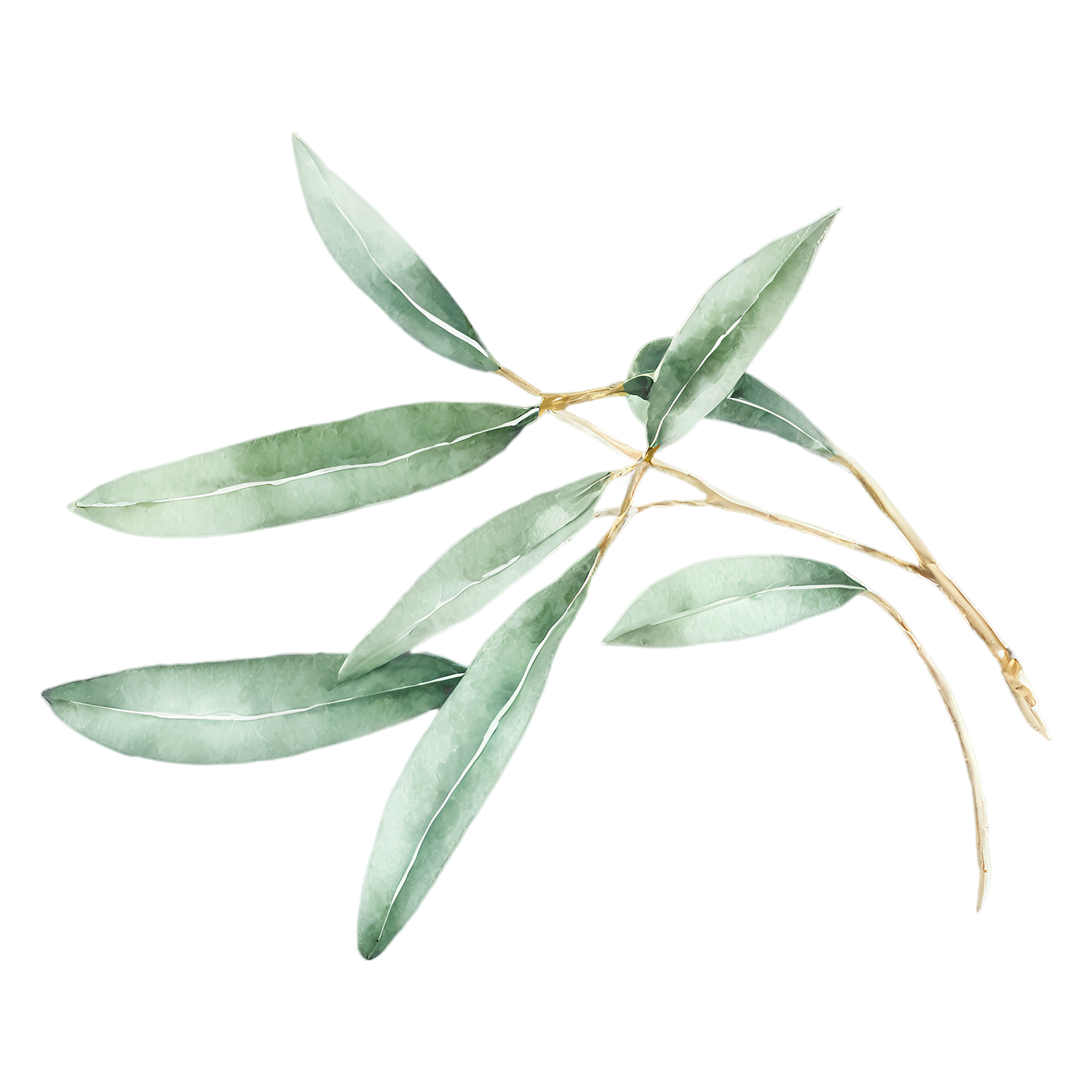
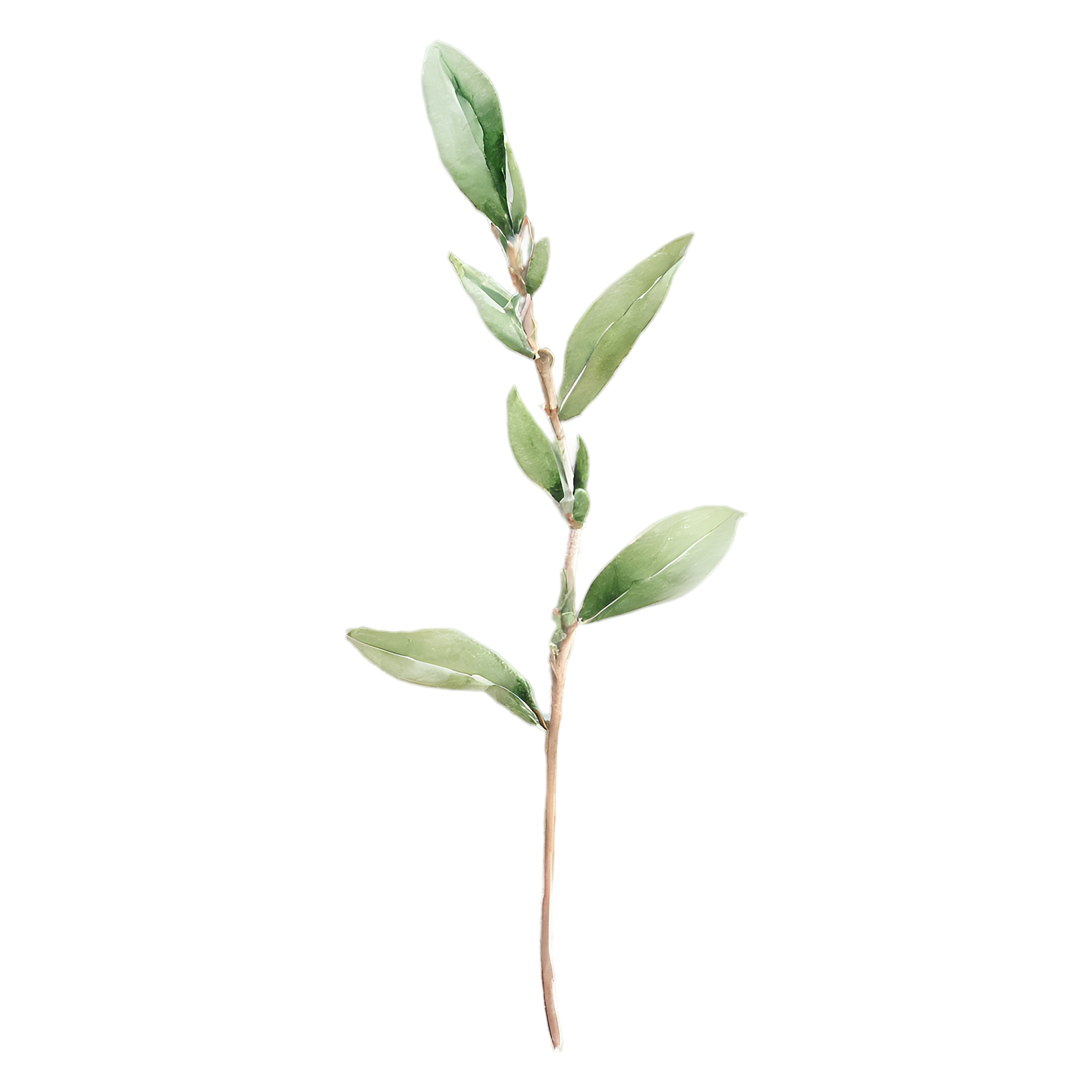
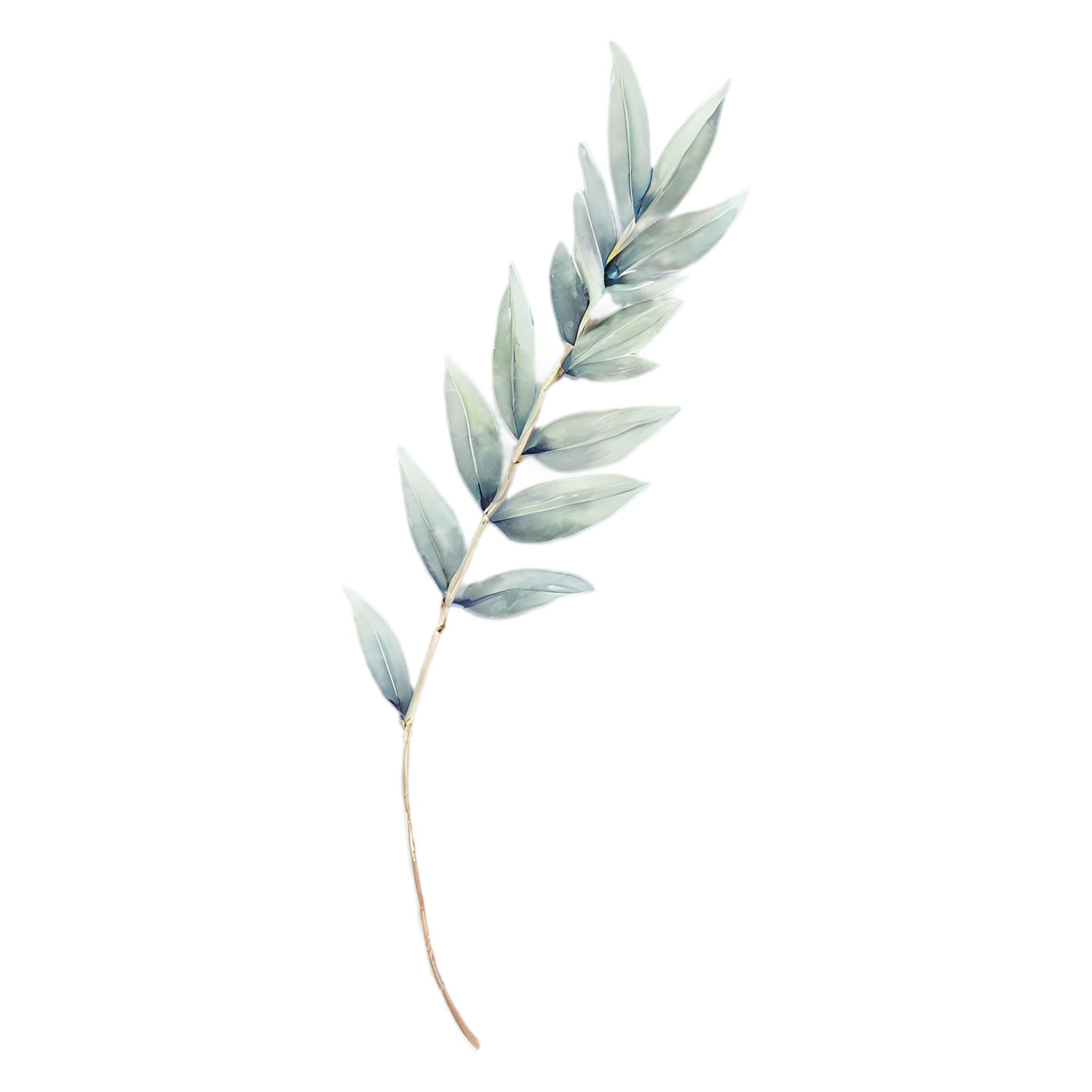
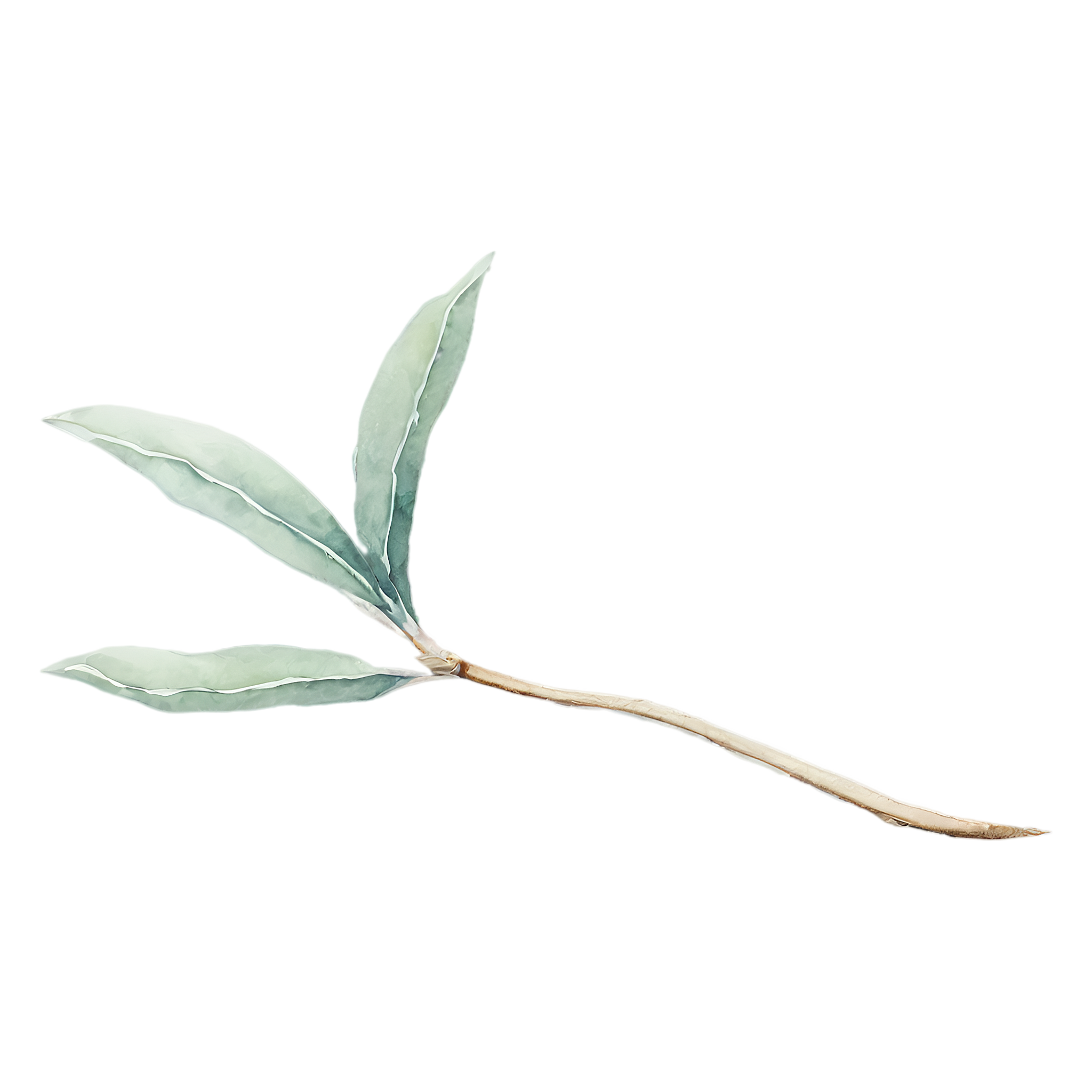
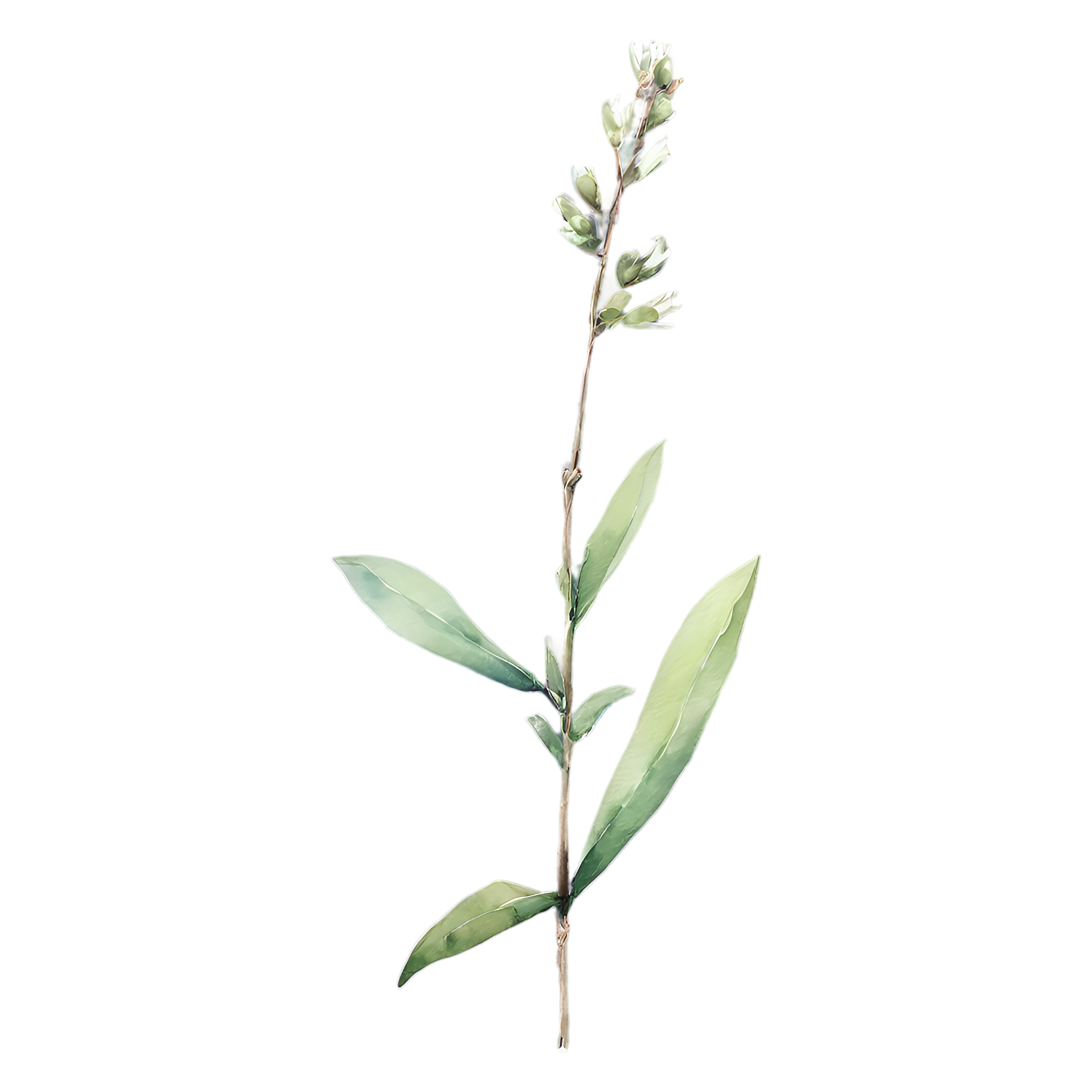
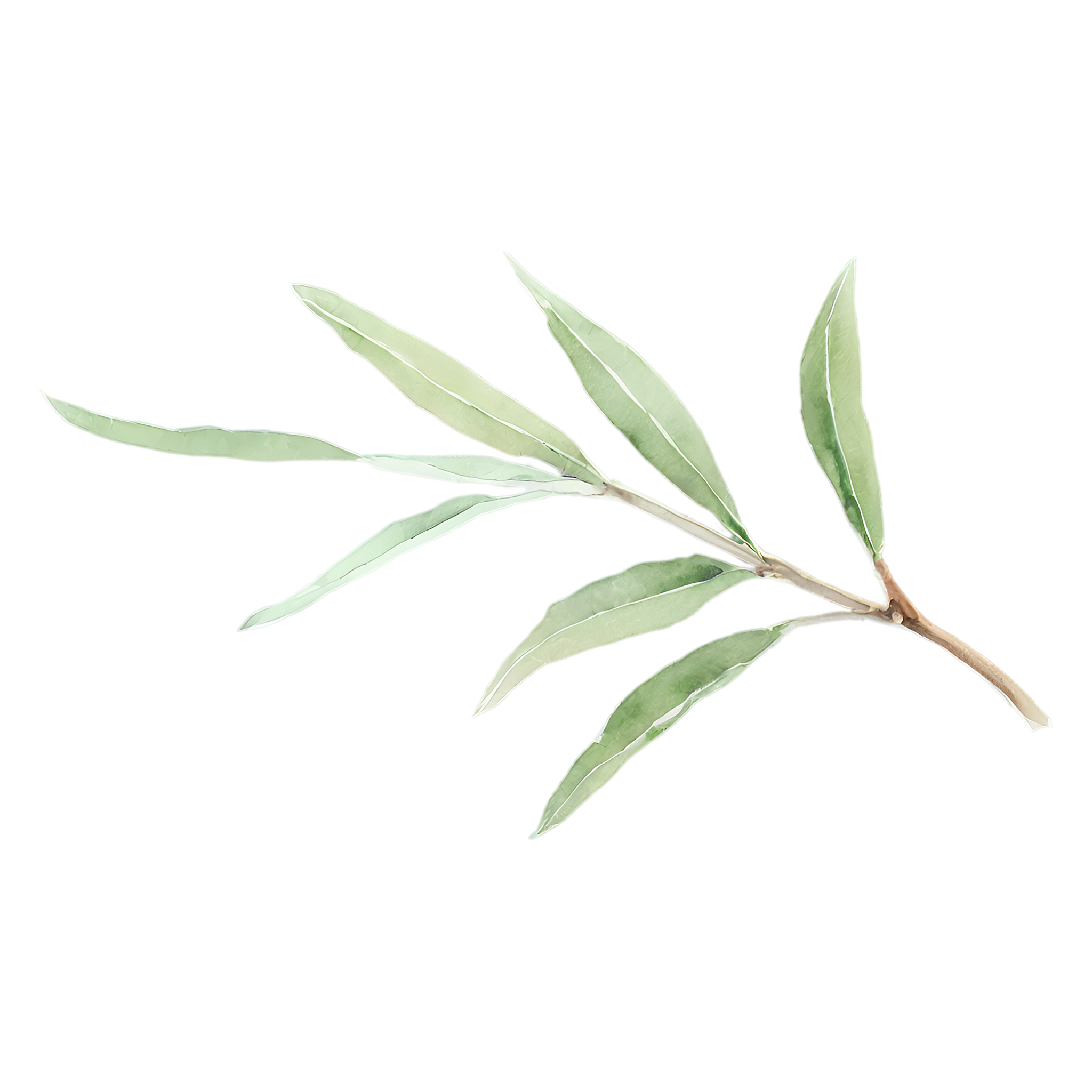
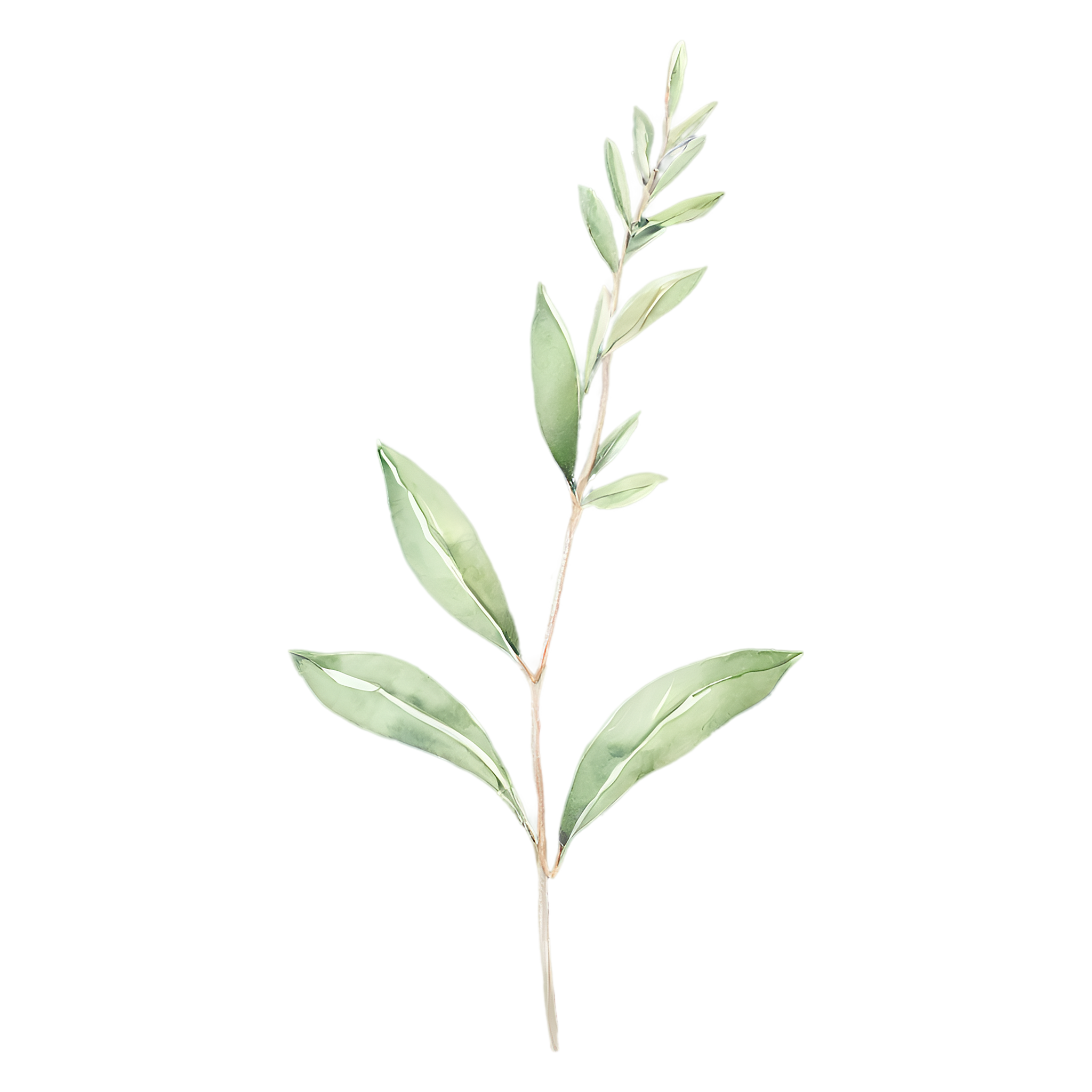
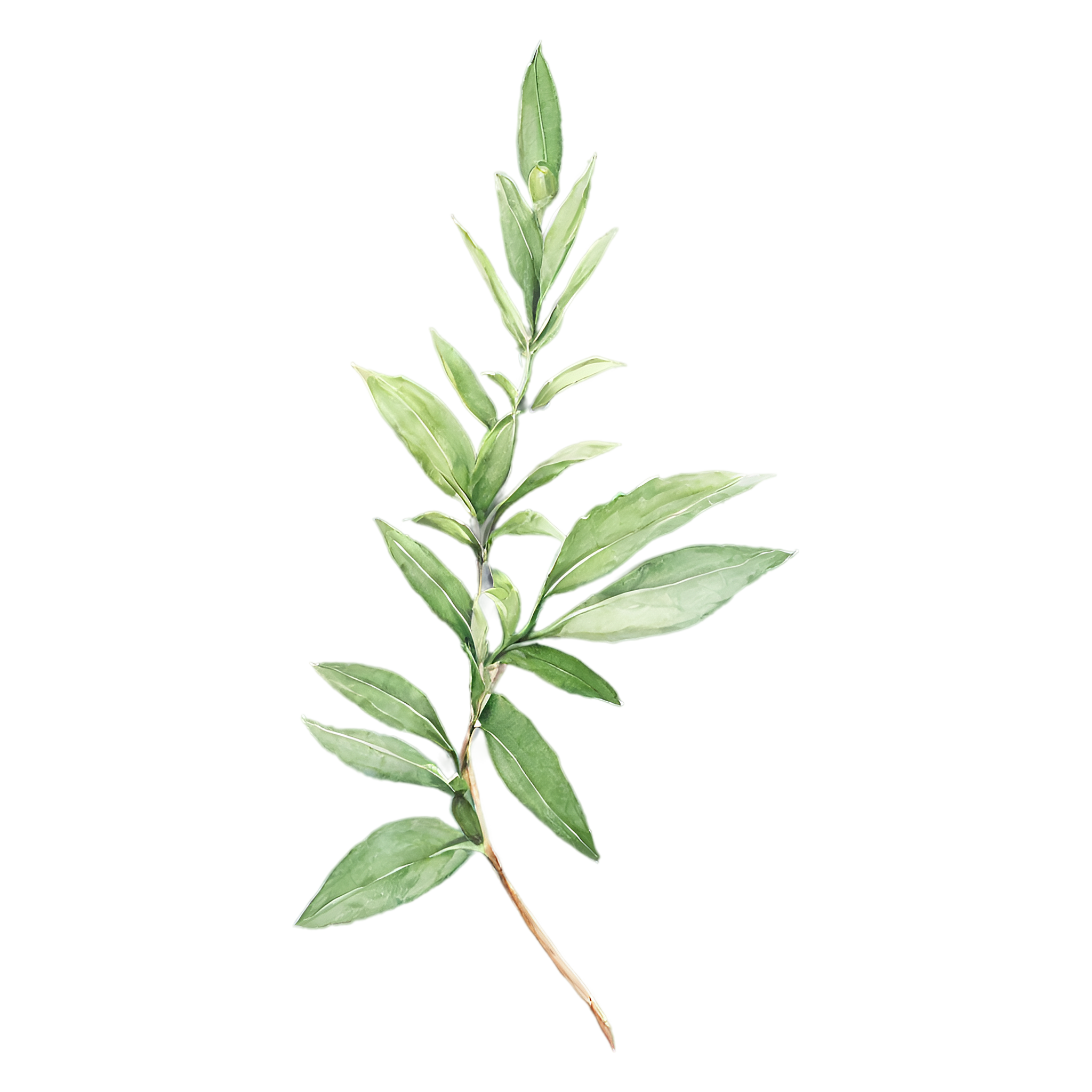
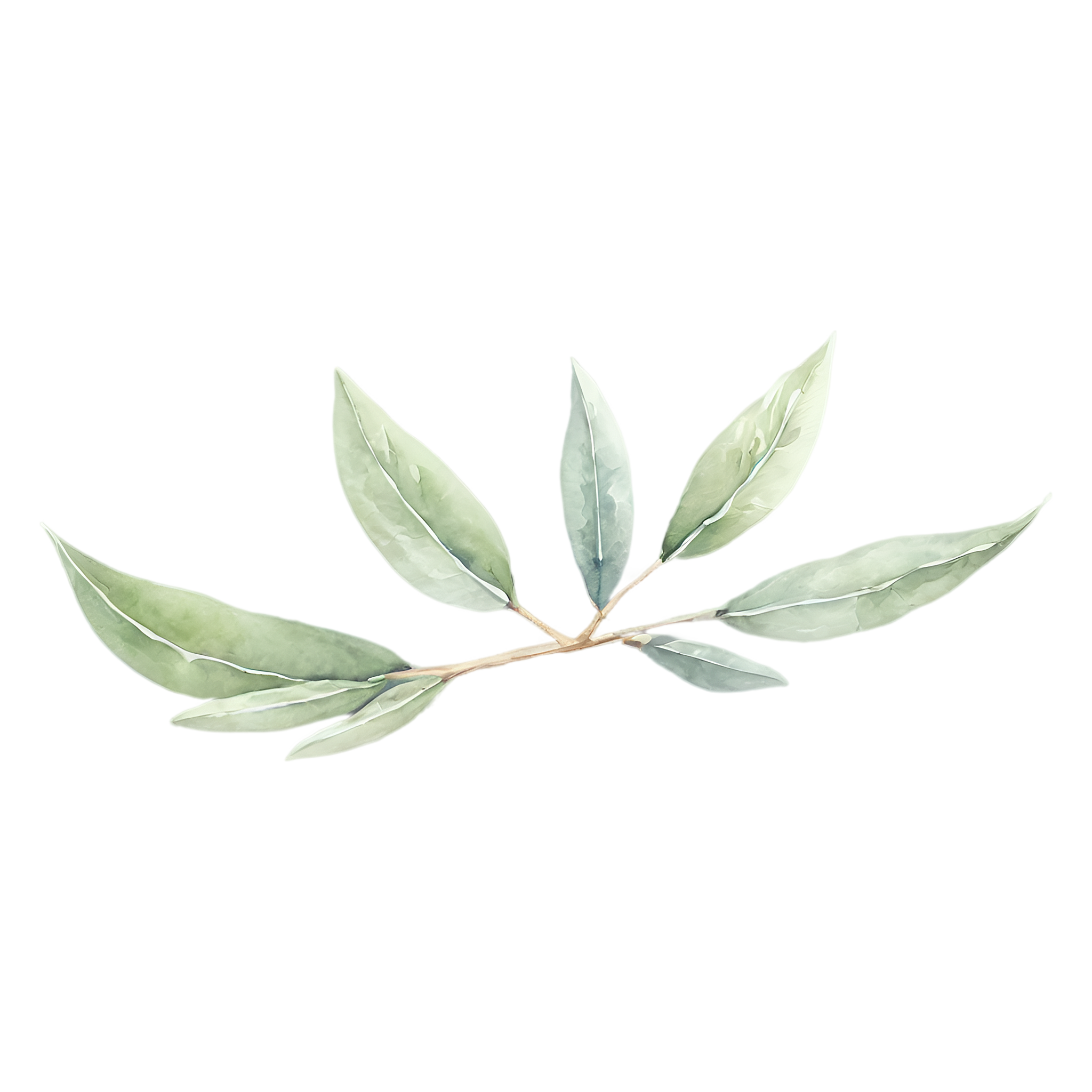
Nine images show garden sage and one shows pineapple sage. The garden sage includes a cluster of velvety gray-green leaves, a garden-sage sprig with long oval leaves, a single upright stem of paired leaves, and broad silvery leaves fanning out. Others show soft pebbled leaves along the stem, a tall stem of evenly spaced leaves, a young sprig with tender pale leaves, and a compact sprig with a rosette of leaves. One sprig carries a small spike of pale flowers. The pineapple sage stands apart with brighter green, pointed leaves, which gives a herb chart a clear contrast. Having both a flowering sprig and a young sprig means a garden journal can show the plant at two stages, and the single upright stem fits narrow spaces such as a spice-jar label.
Thanksgiving menus, herb markers and kitchen shops
Sage is the herb most tied to Thanksgiving, so the set fits recipe cards for stuffing and roast turkey, menu cards, place cards and printable grocery lists from October through November. Herb gardeners use it on plant markers, seed-packet designs and garden-journal pages, and farmers market growers use it on price signs and bundle tags. Kitchen shops, spice blenders and cooking-class teachers use sage art on labels, handouts and workshop flyers. Soap and candle makers who sell sage-scented products need it for labels, and the sage-green color, named after these leaves, is a common wedding and home-decor palette, so a sprig works as an accent on invitations in that scheme.
Gray-greens that sit with other herbs
The palette is soft and muted: gray-green and pistachio leaves with a deeper forest green in the shadows, and one brighter green sprig of pineapple sage. The most frequent DMC matches on the page include 772 Yellow Green Very Light, 524 Fern Green Very Light, 368 Pistachio Green Light and 989 Forest Green, with Copic G82 Spring Dim Green and G94 Grayish Olive for markers. For a herb chart or kitchen print, line sage up with rosemary, thyme and basil; for purple contrast, add lavender. The herbs hub collects every kitchen herb on the site.
Tip: matching a gray-green in thread and print
Each sprig is a 2048 by 2048 pixel transparent PNG, about 6.8 inches square at 300 DPI. Gray-greens are hard to match by eye, and a sage sprig stitched in a plain green looks like a different herb. Use the DMC codes in the palette table under each image, usually 524 and 772 for the leaves, and add a few stitches of a gray such as 762 for the silvery highlights. For printed recipe cards, uncoated cream cardstock keeps the velvety look of the leaves better than glossy paper, and a sprig placed vertically in the margin leaves the full width for the recipe.