A tiny-leaved herb from the Mediterranean
Thyme is a low, woody perennial in the mint family, native to the dry, rocky hillsides of the Mediterranean. Garden or common thyme (Thymus vulgaris) grows as a small shrub with wiry stems and leaves only a few millimeters long. In early summer it covers itself in tiny pink, lilac or white flowers that bees visit heavily. Its flavor comes largely from an aromatic oil called thymol, which holds up through long cooking, so thyme is a base note in stews, roasts, stocks and Thanksgiving stuffing. It is one of the three herbs in a classic French bouquet garni, with parsley and bay, and a standard part of herbes de Provence. In ancient Greece and medieval Europe, thyme was associated with courage.
Ten sprigs, three kinds of thyme
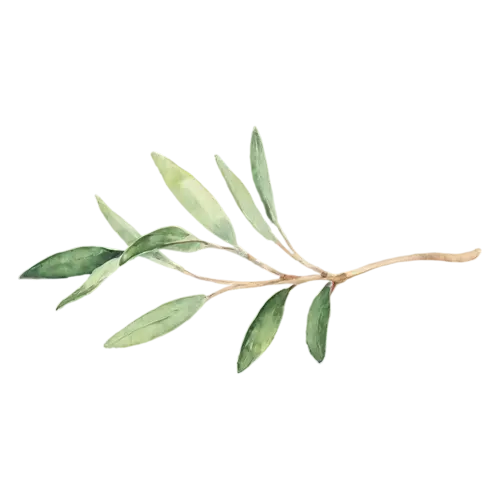
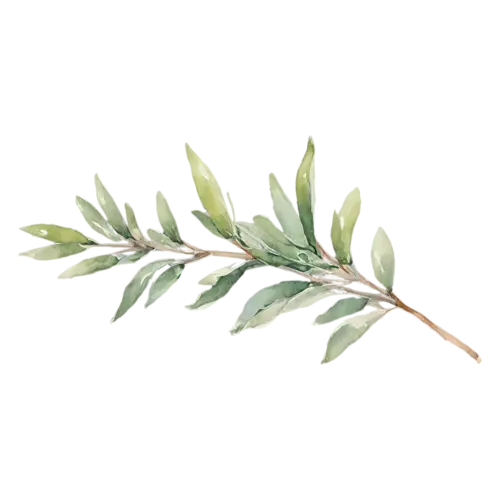
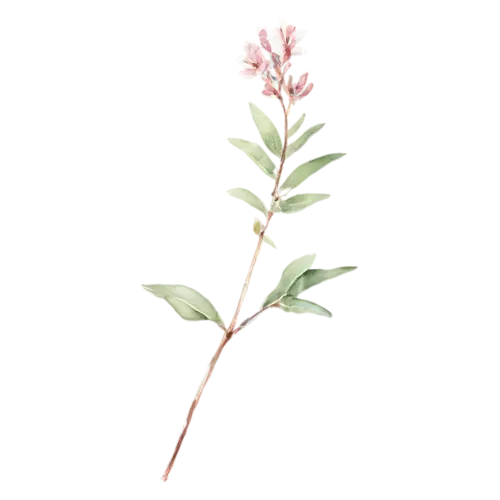
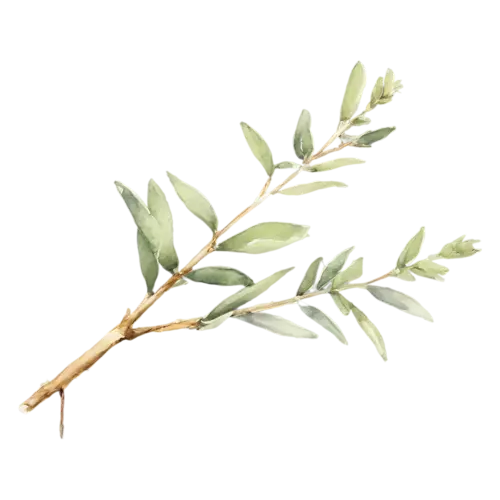
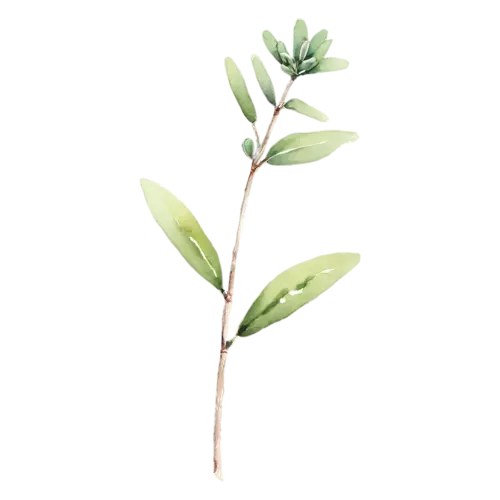
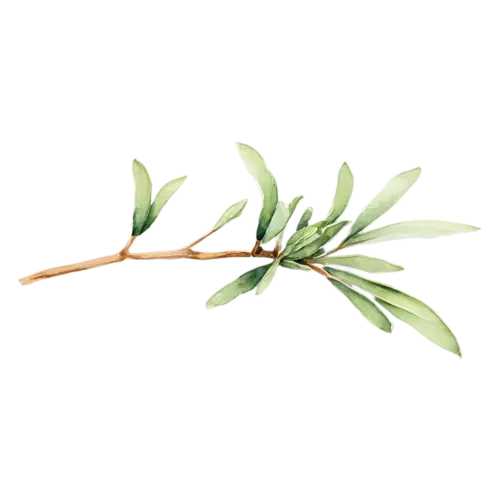
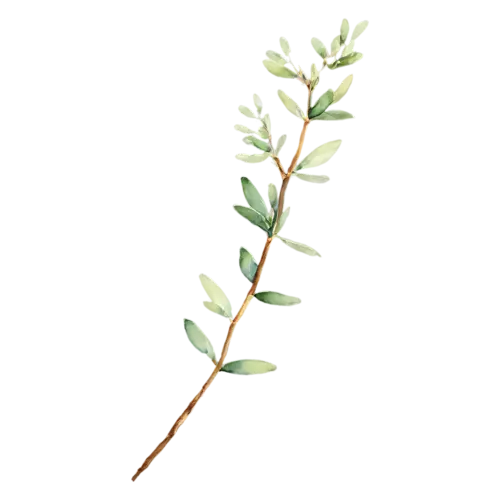
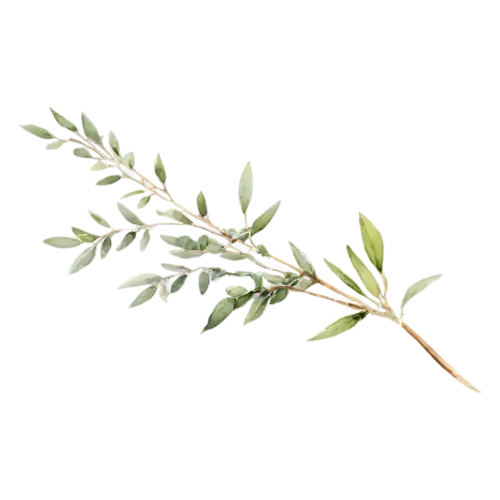
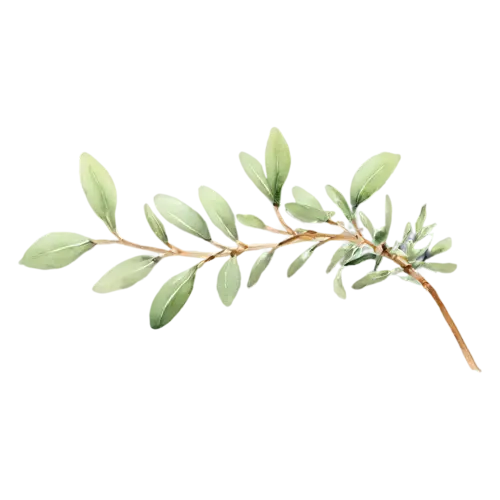
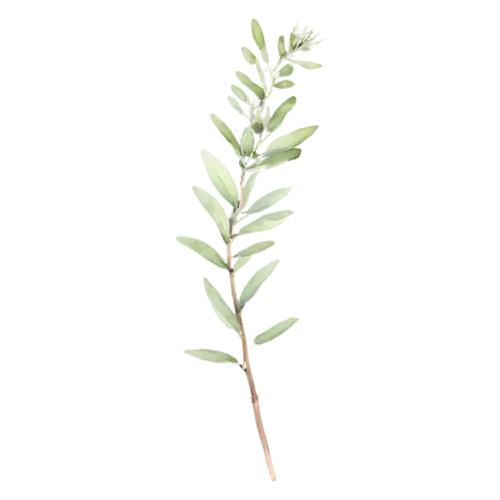
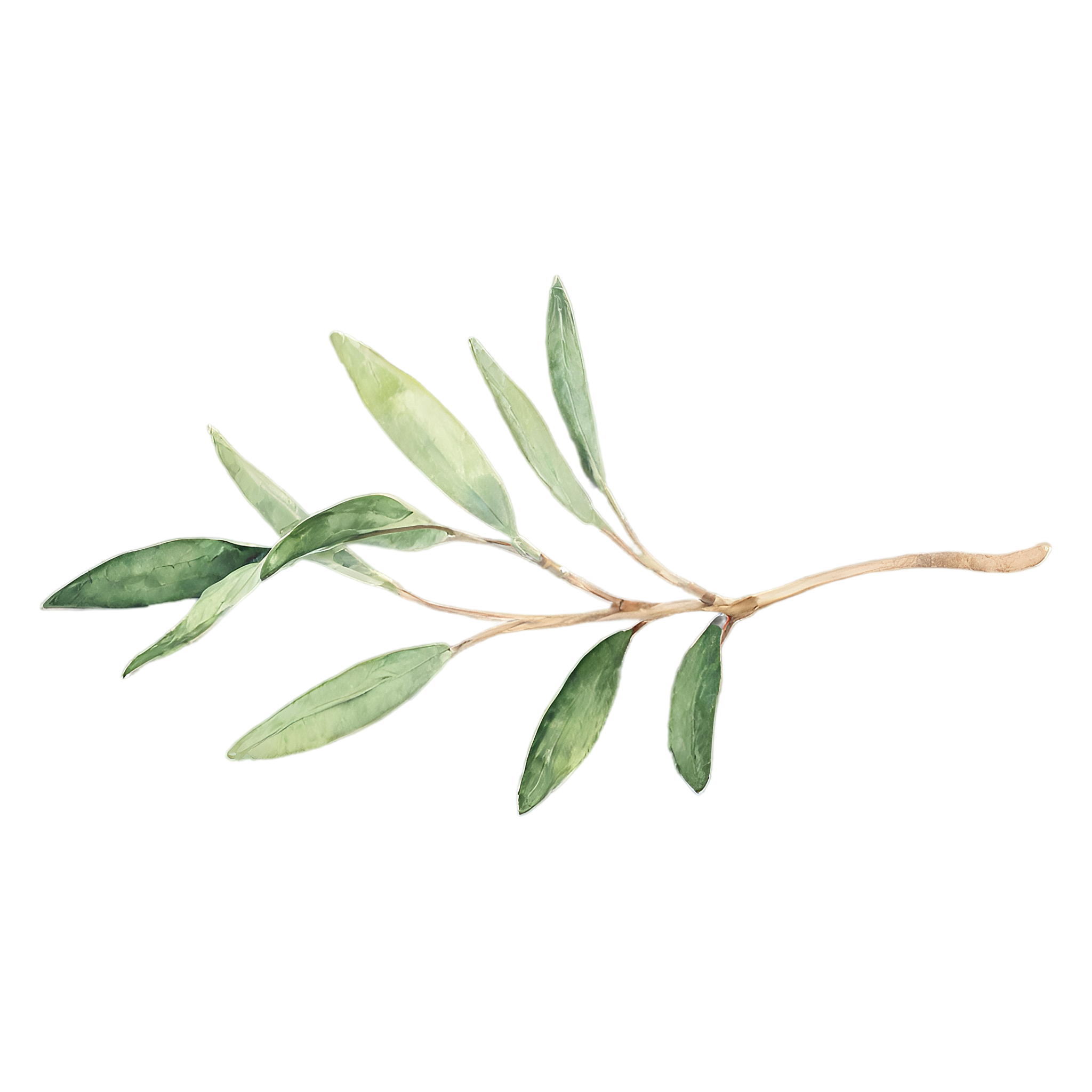
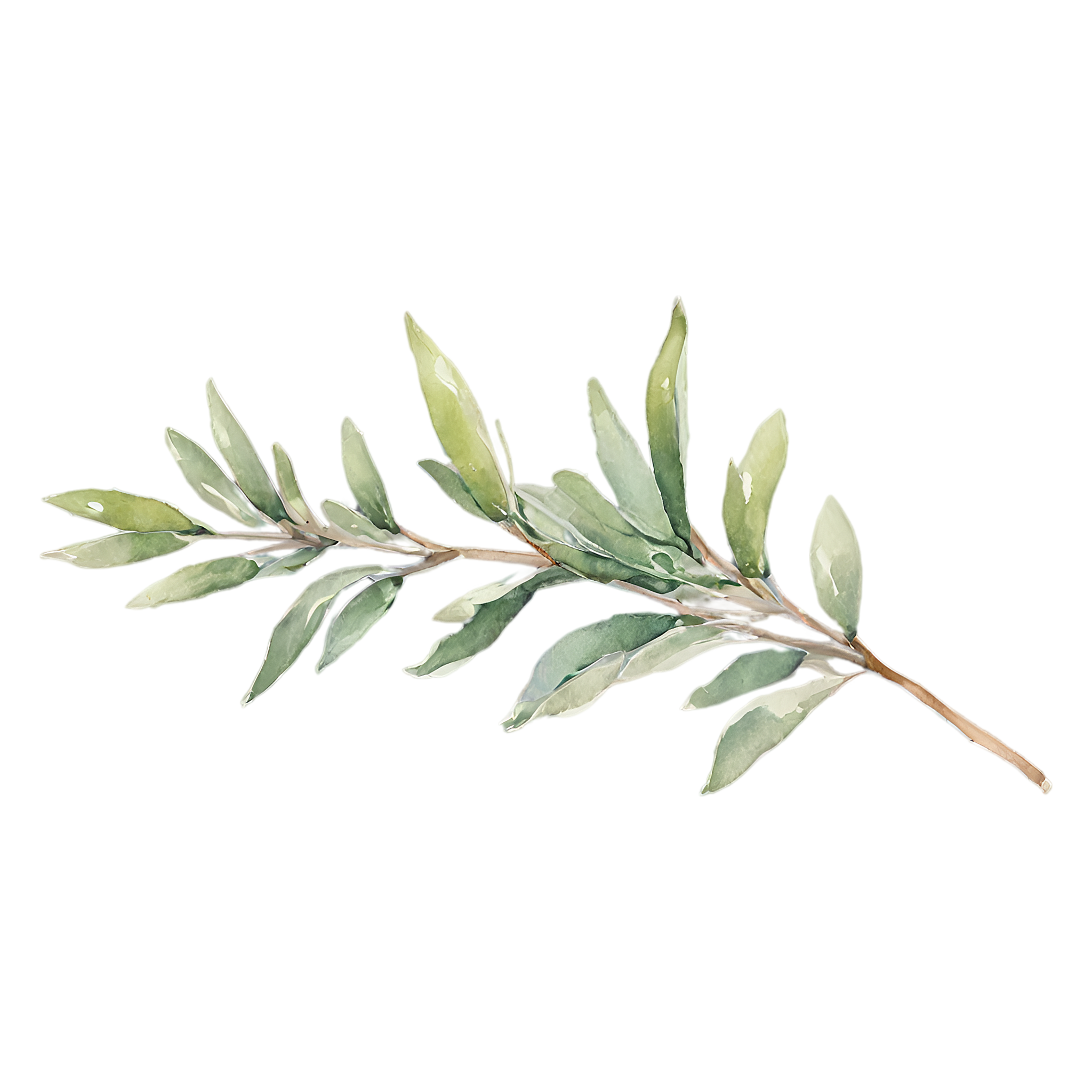
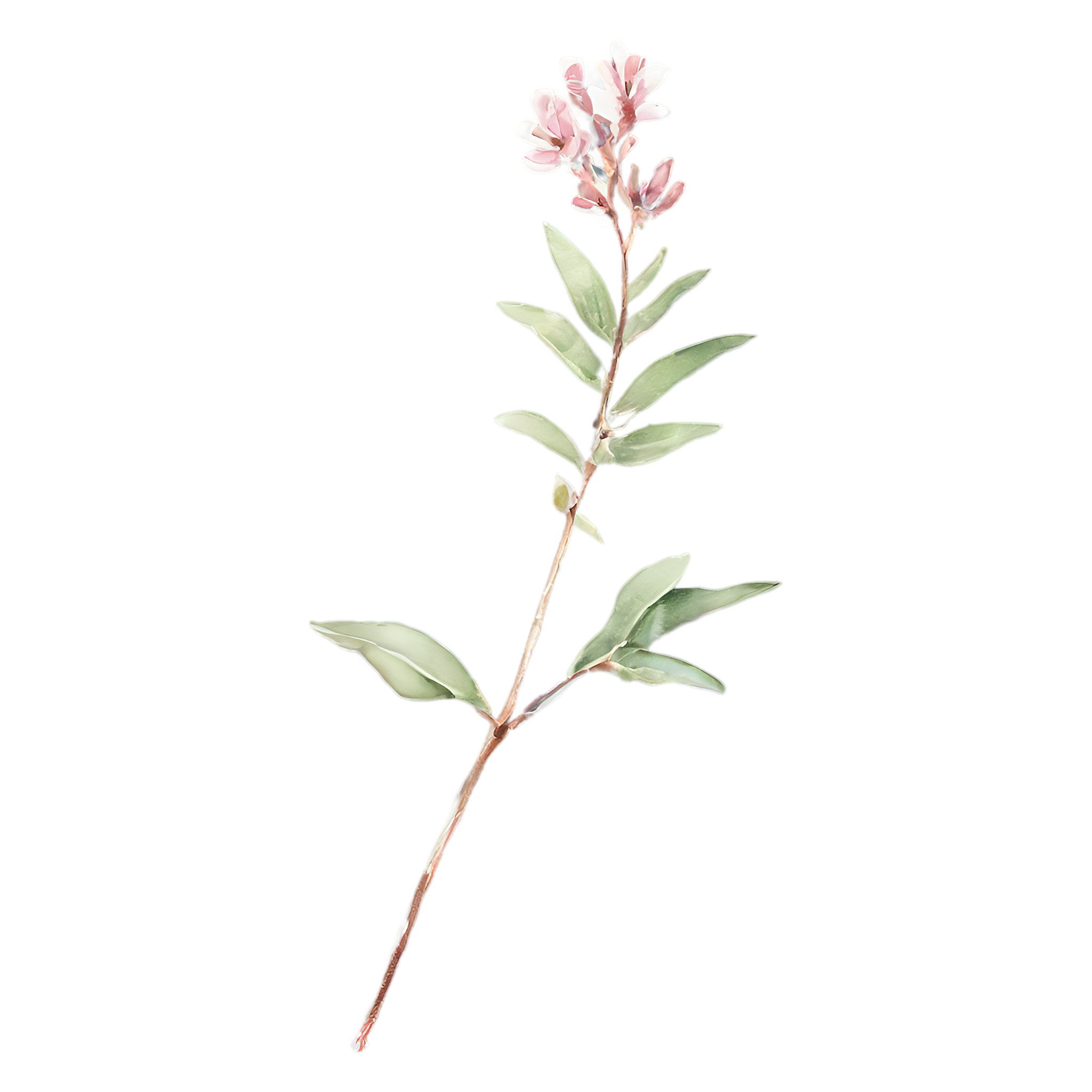
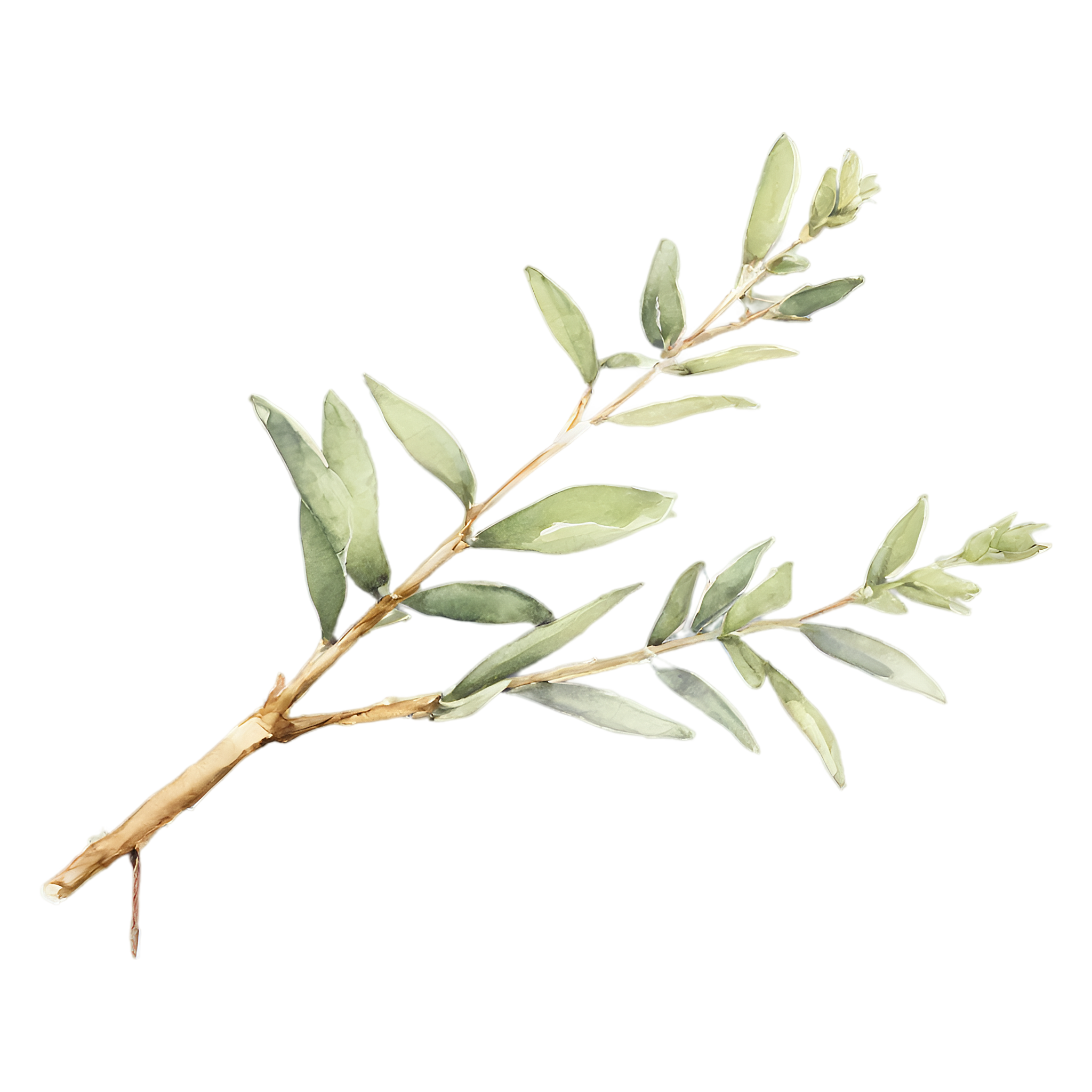
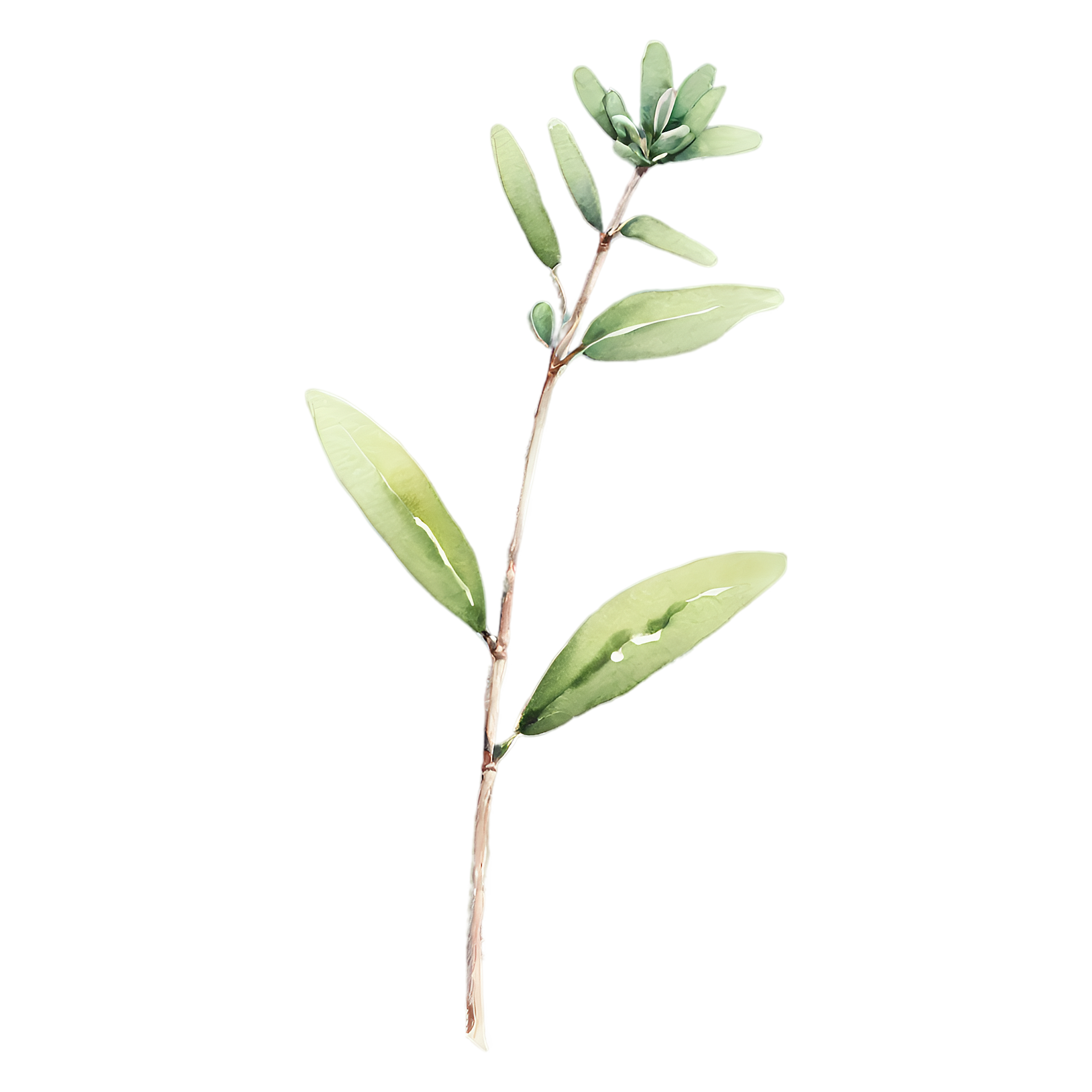
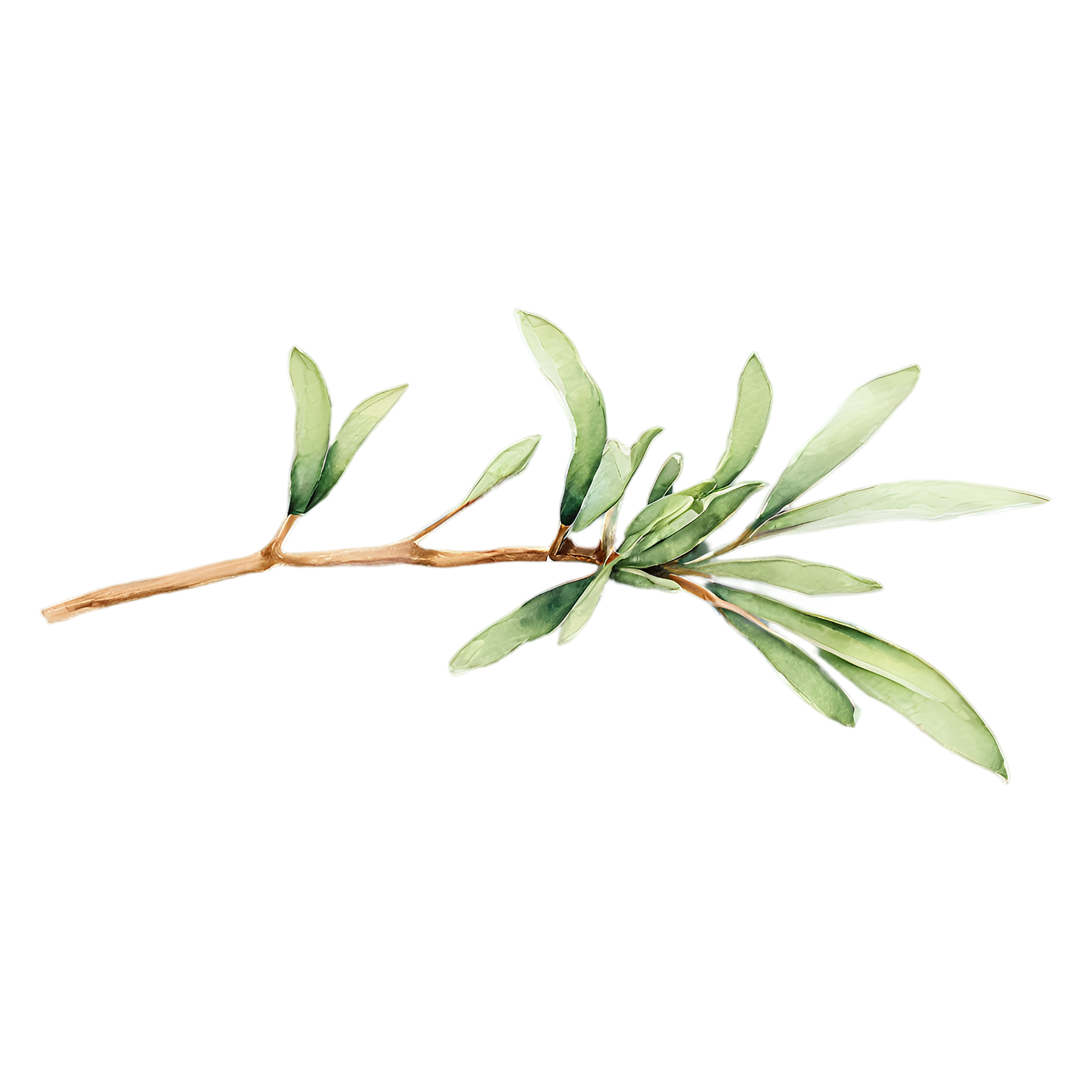
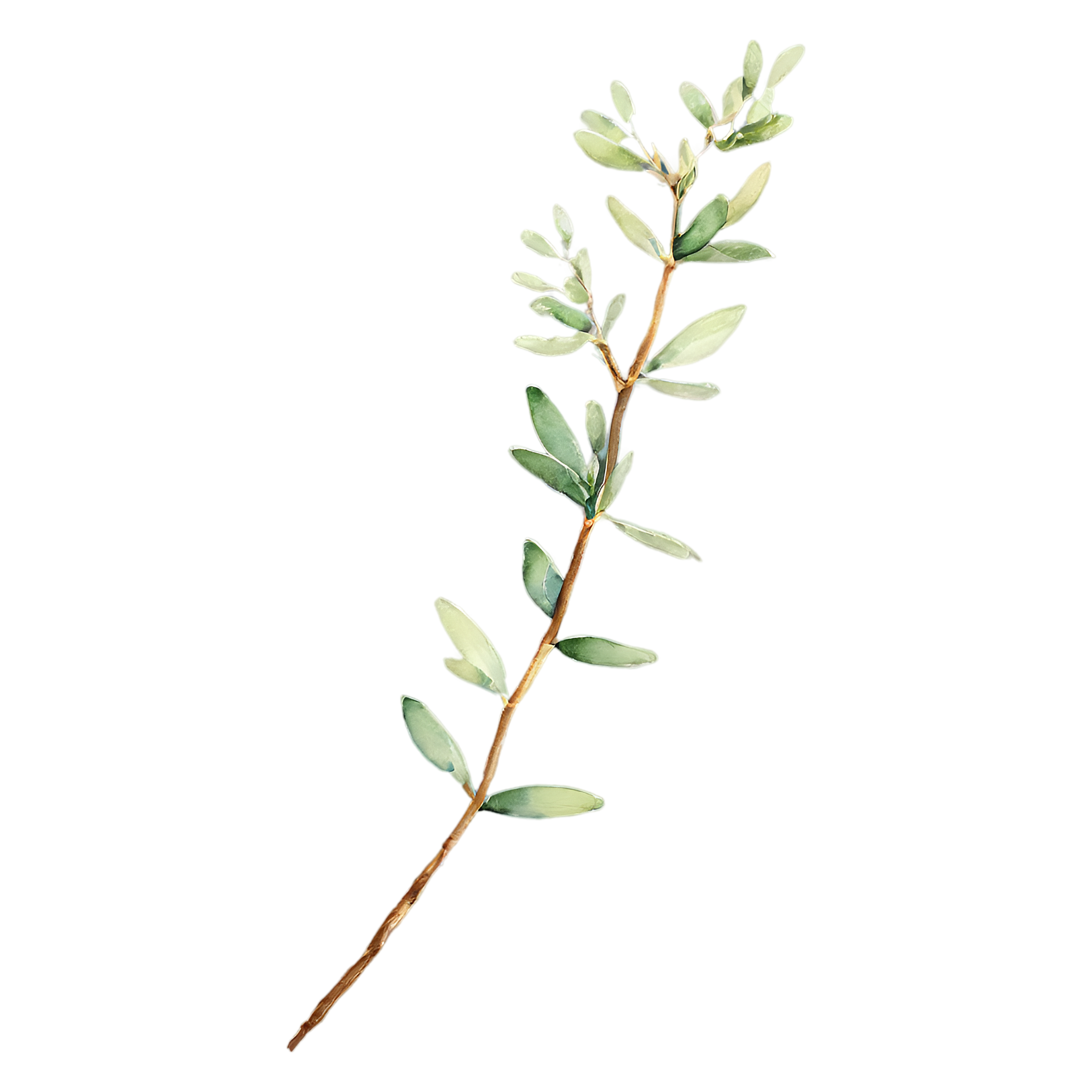
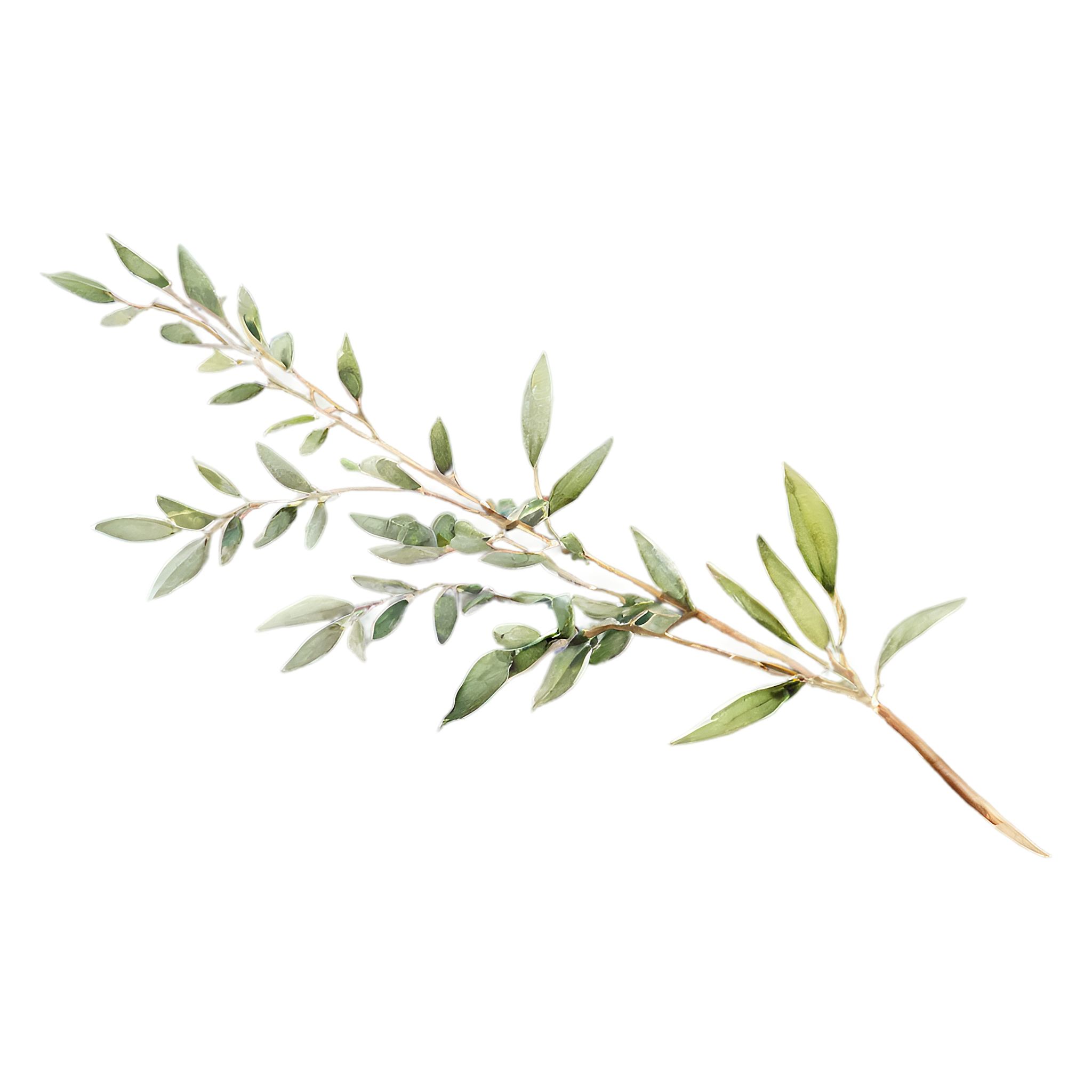
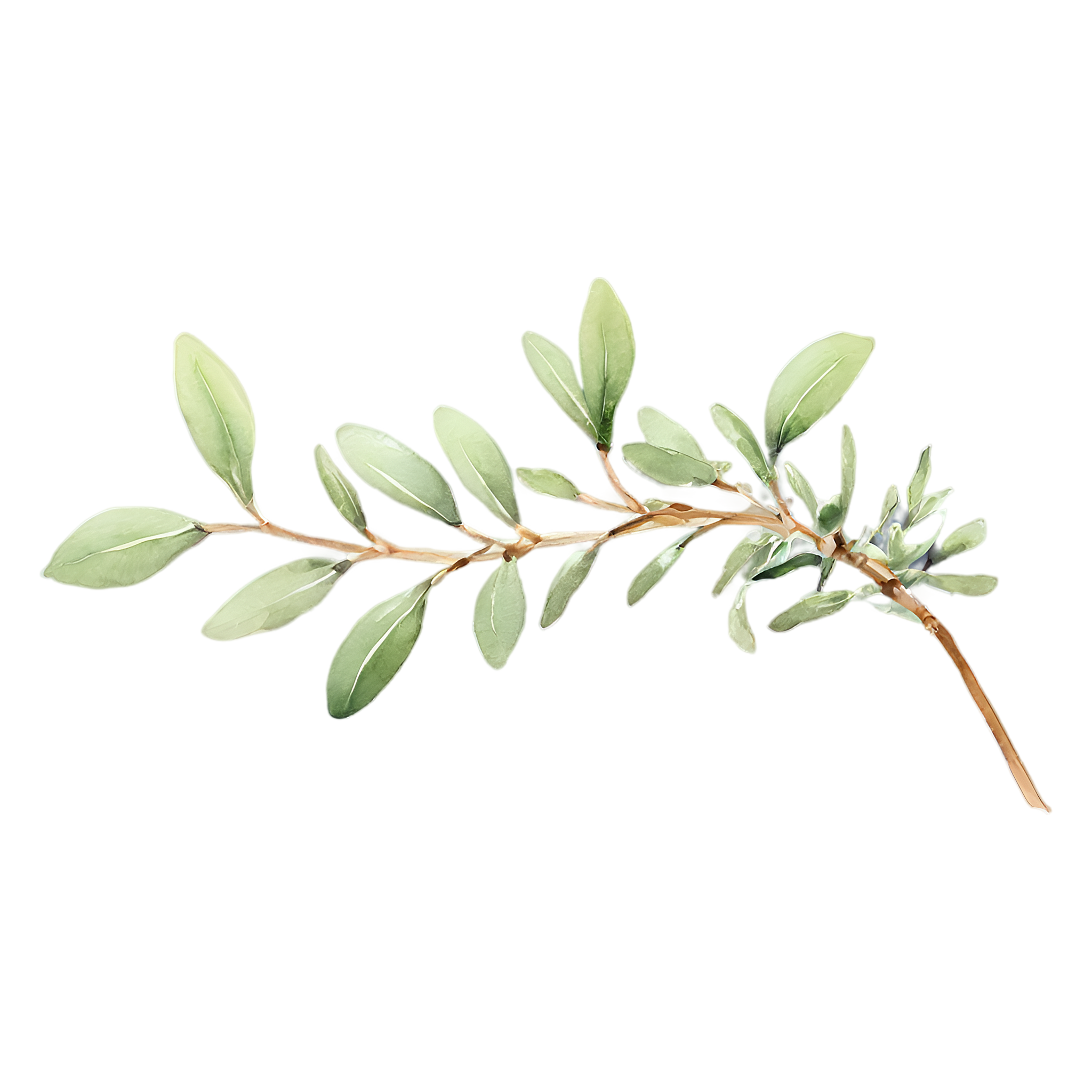
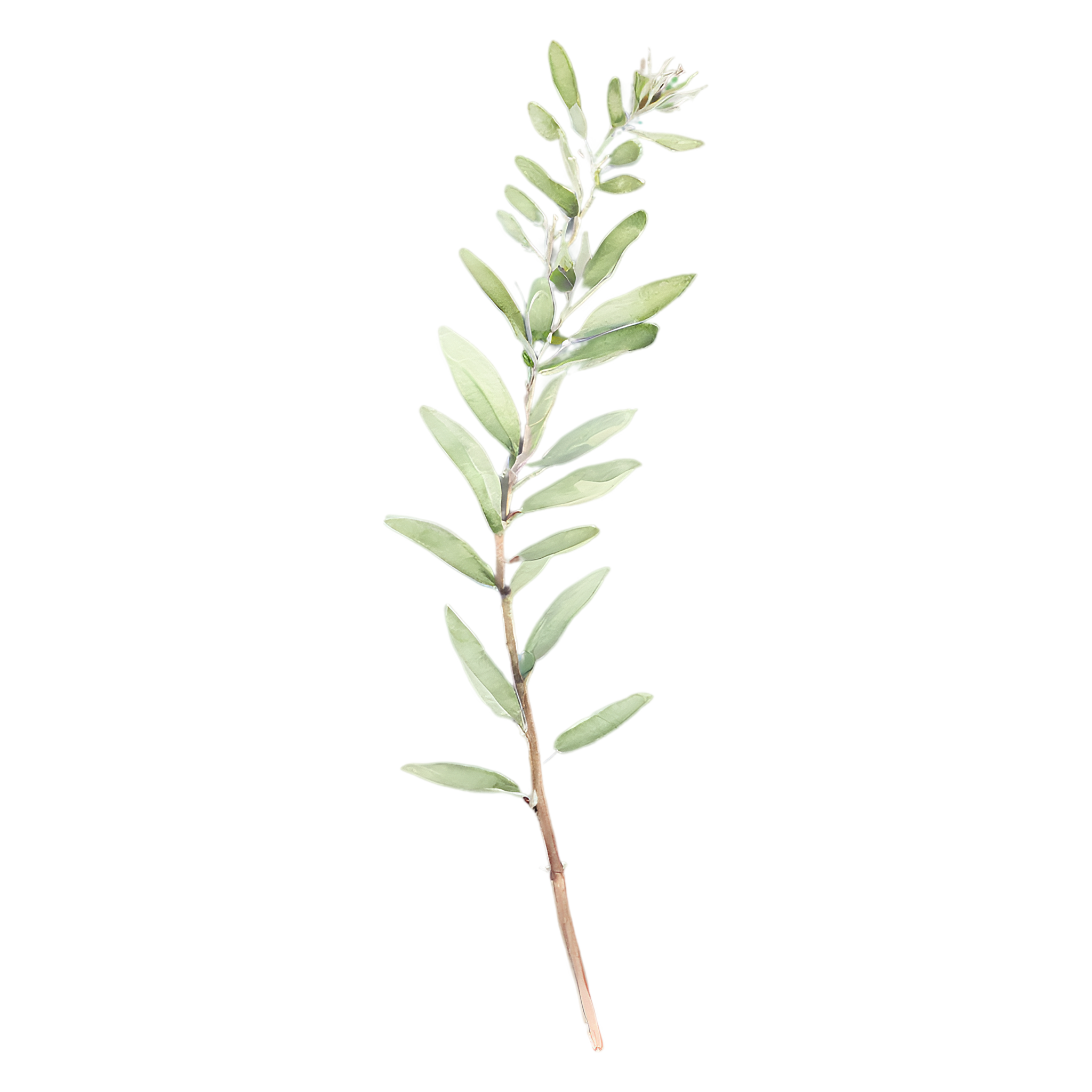
Most images show garden thyme in different cuts, the way you would see it on a cutting board: a slender woody stem with tiny leaves, a common-thyme sprig with small green leaves, a short sprig of densely set leaves, a curving stem, a tender sprig with pale new tips, an upright woody stem and a delicate sprig of fine foliage. One sprig is in bloom, with tiny pink flowers along the stem. Two images show other kinds of thyme: lemon thyme with variegated leaves, and creeping thyme with trailing stems, the low groundcover planted between stepping stones. The variety means you can label a herb garden or a recipe with the right plant rather than a generic green sprig.
Recipe cards, spice jars and herb markers
Thyme is a working kitchen herb, so this set lives on practical things: recipe cards for roast chicken, soups and stuffing, spice jar and dried-herb labels, farmers market and herb nursery signs, garden plant markers and seed packet designs. It is common on French and Mediterranean restaurant menus and on soap and candle labels for thyme-scented products. The flowering sprig and creeping thyme suit pollinator-garden signs, since bees favor thyme blossoms. For a full herb set, combine it with the rosemary and sage galleries, the other classic savory herbs, or add basil and mint for a summer kitchen garden chart.
Soft yellow-greens and forest green
The leaves are drawn in light yellow-green, pistachio and fern green, with deeper forest green on the shaded side and a pale beige-gray on the woody stems. The flowering sprig adds a small touch of pink. That soft, slightly gray green is typical of thyme and sets it apart from the brighter green of basil or mint, which helps a chart of several herbs read as different plants. These greens look good on cream, kraft and white, and pair with terracotta, olive and warm wood tones in a kitchen print. This set belongs to the herb clipart hub. The page lists each image's main HEX colors with the nearest DMC floss and Copic marker.
Tip: print thyme a little larger than life
Thyme leaves are tiny, so a sprig printed at true size loses its detail. Every file is a 2048 x 2048 px transparent PNG, about 6.8 inches square at 300 DPI. For a spice jar label, print the sprig at least 1.5 inches tall so the individual leaves still read; on a recipe card, run a longer stem along one edge rather than shrinking it into a corner. For a garden marker, the upright woody stem fits a tall, narrow stake best. For embroidery, don't stitch every leaf: backstitch the stem in a brown-gray DMC thread from this page's palette and add the leaves as small detached chain stitches in two greens.