
The jar lid that made home canning work
In 1858 John Landis Mason patented a glass jar with threads molded into its neck, so a lid could screw down tight. That threaded closure made home canning practical, and the name stuck: a mason jar today usually means a glass jar with a two-piece lid, a flat metal disc with a ring of sealing compound plus a separate screw band. When a filled jar cools after processing, a vacuum pulls the flat lid down with an audible pop, which is how canners know a jar has sealed. Home canning guidance says to use a new flat lid every time, while the bands can be reused. Jars come in two mouth sizes in the US: regular mouth (70 mm) and wide mouth (86 mm). Older and European-style jars close with a glass lid, a rubber ring and a wire clamp instead of threads.
Eight lids, all from the top
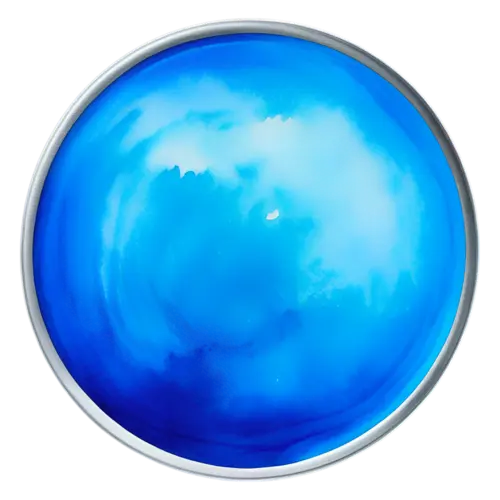
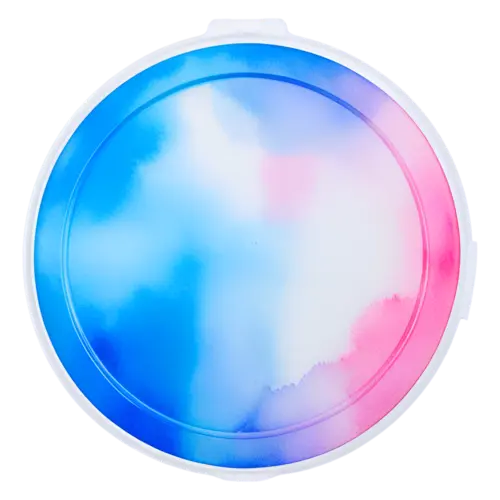
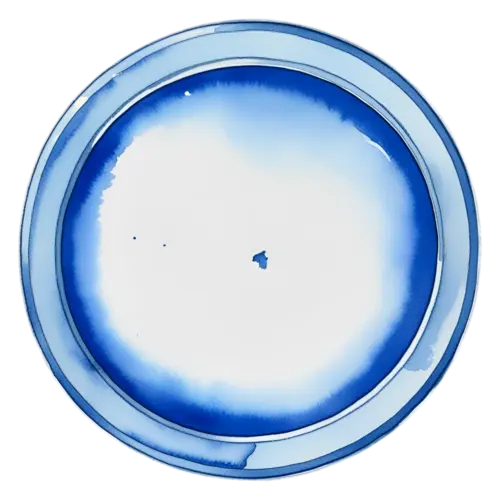
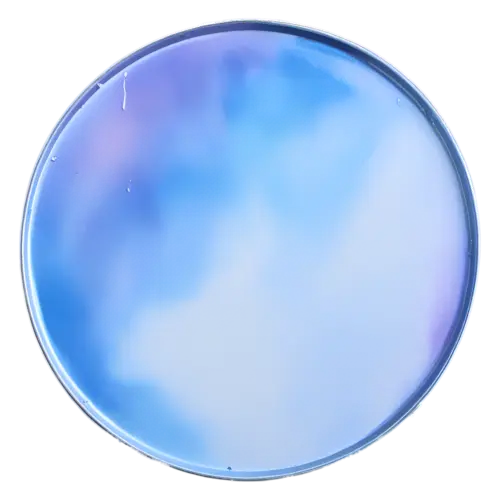
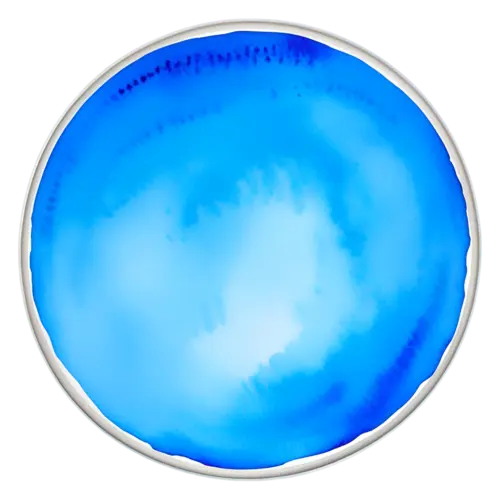
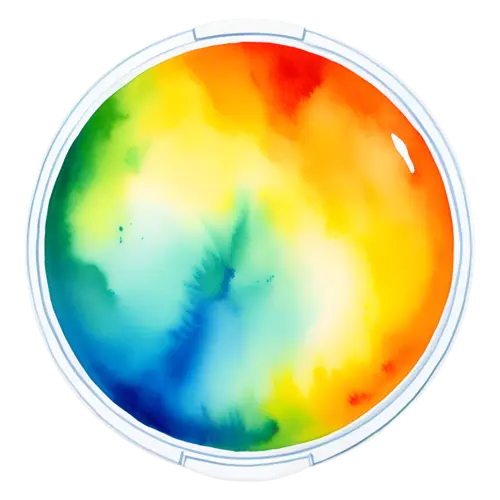
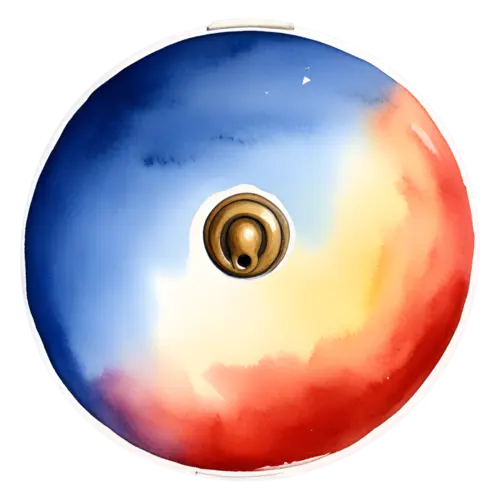
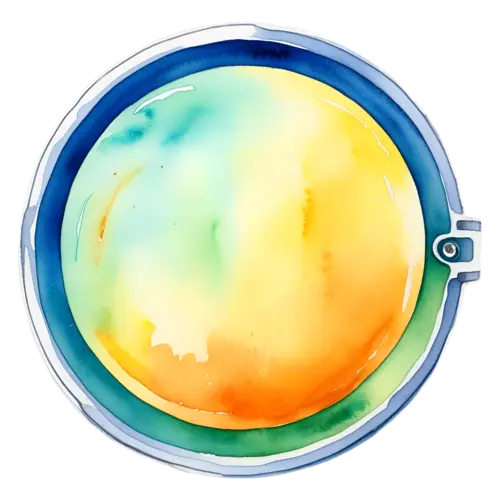
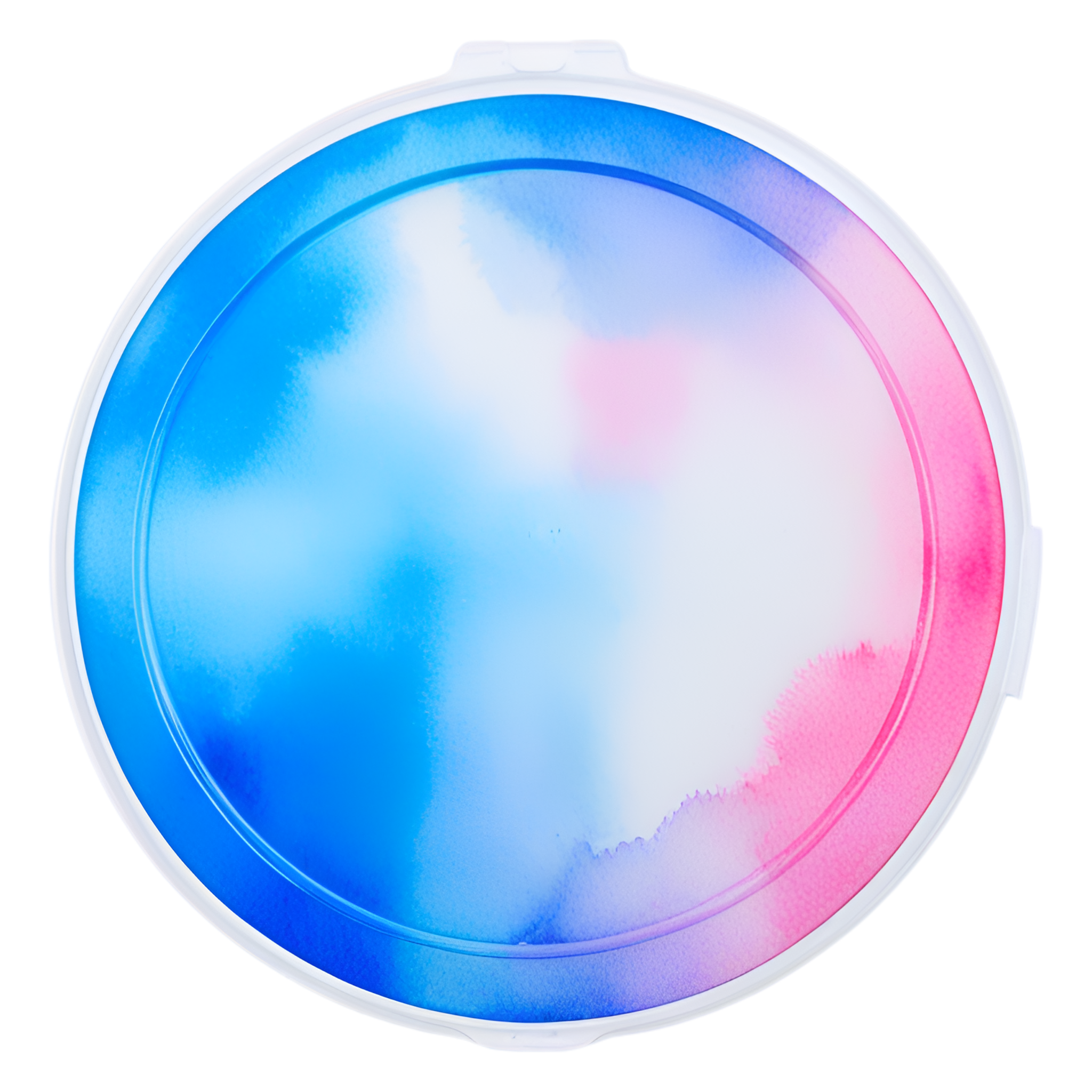
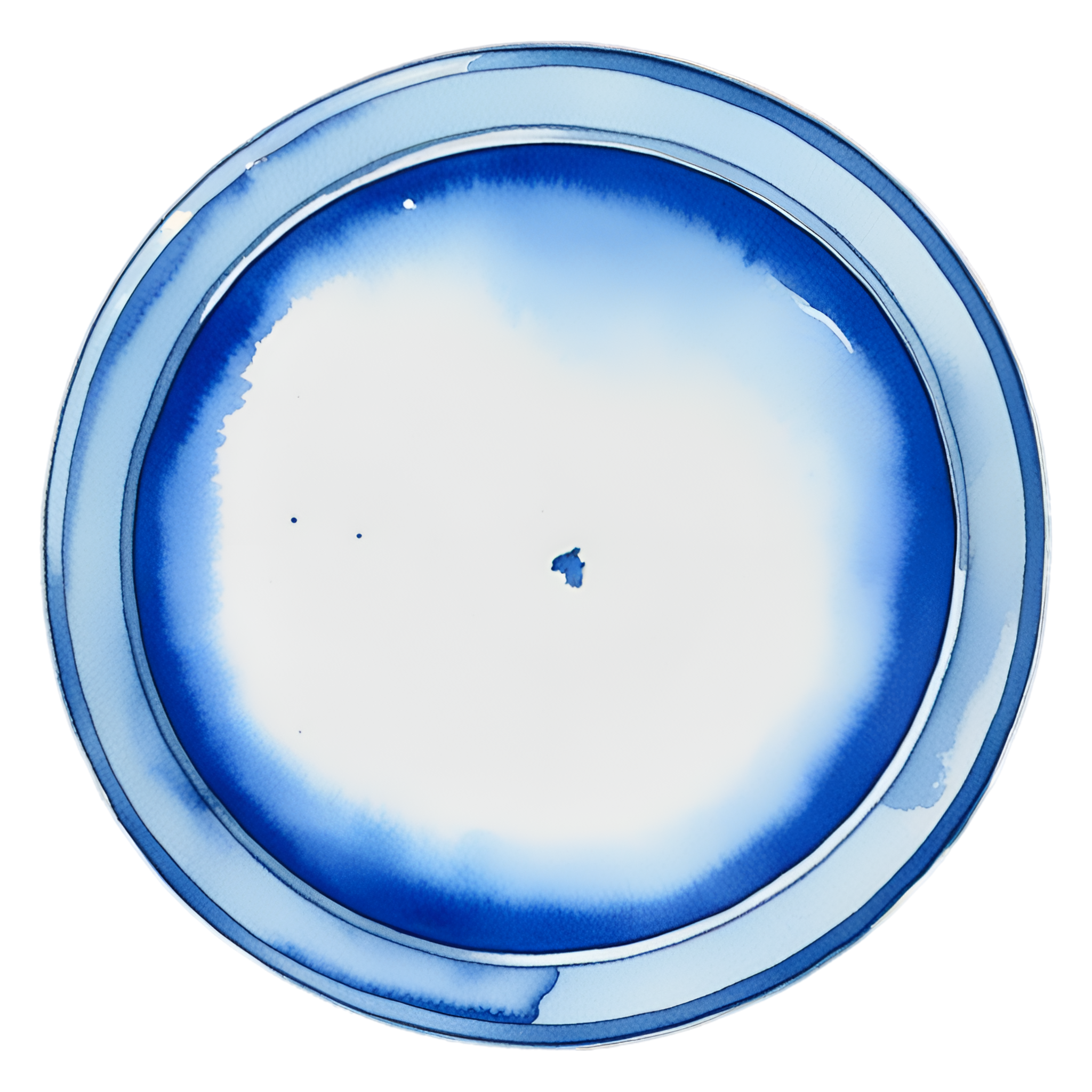
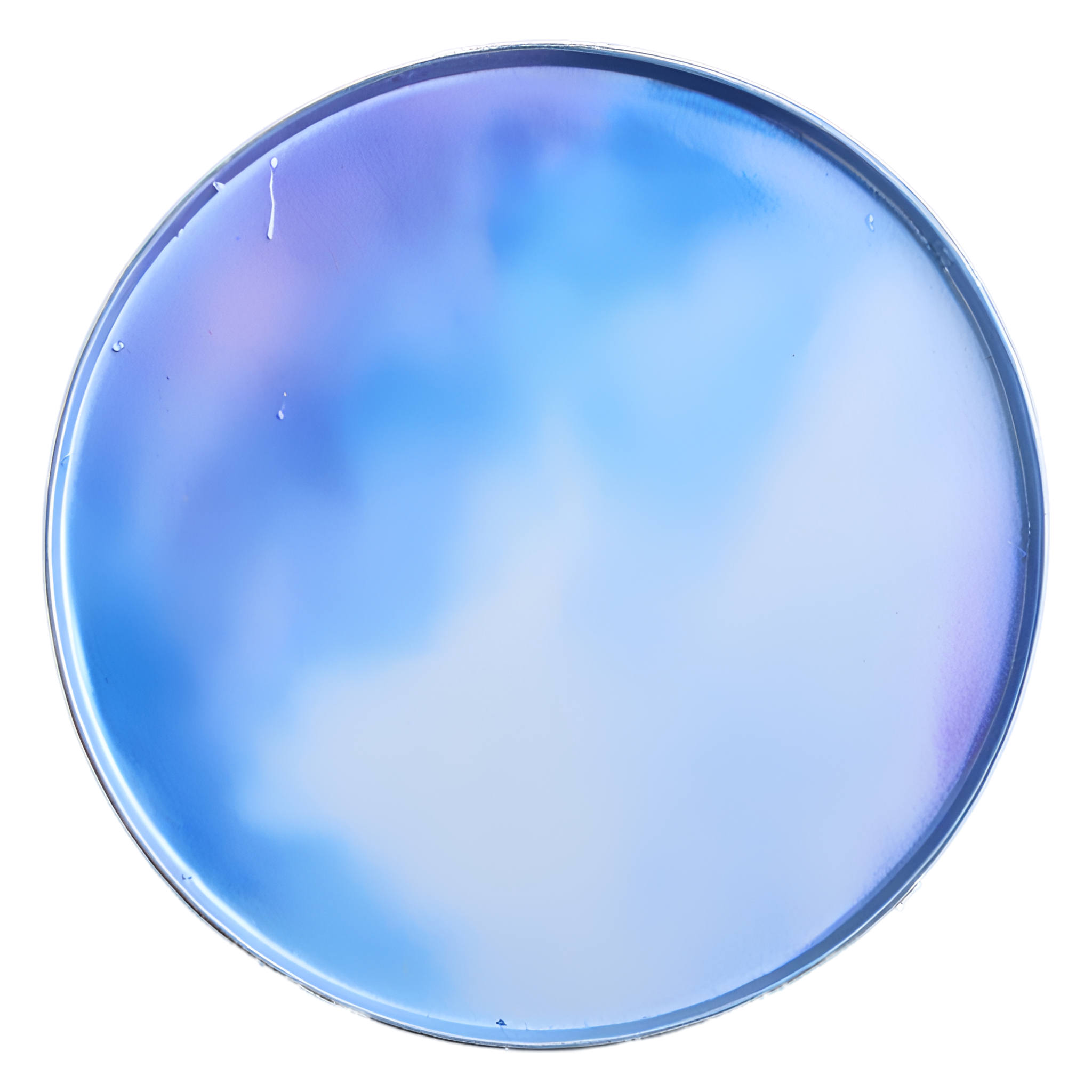
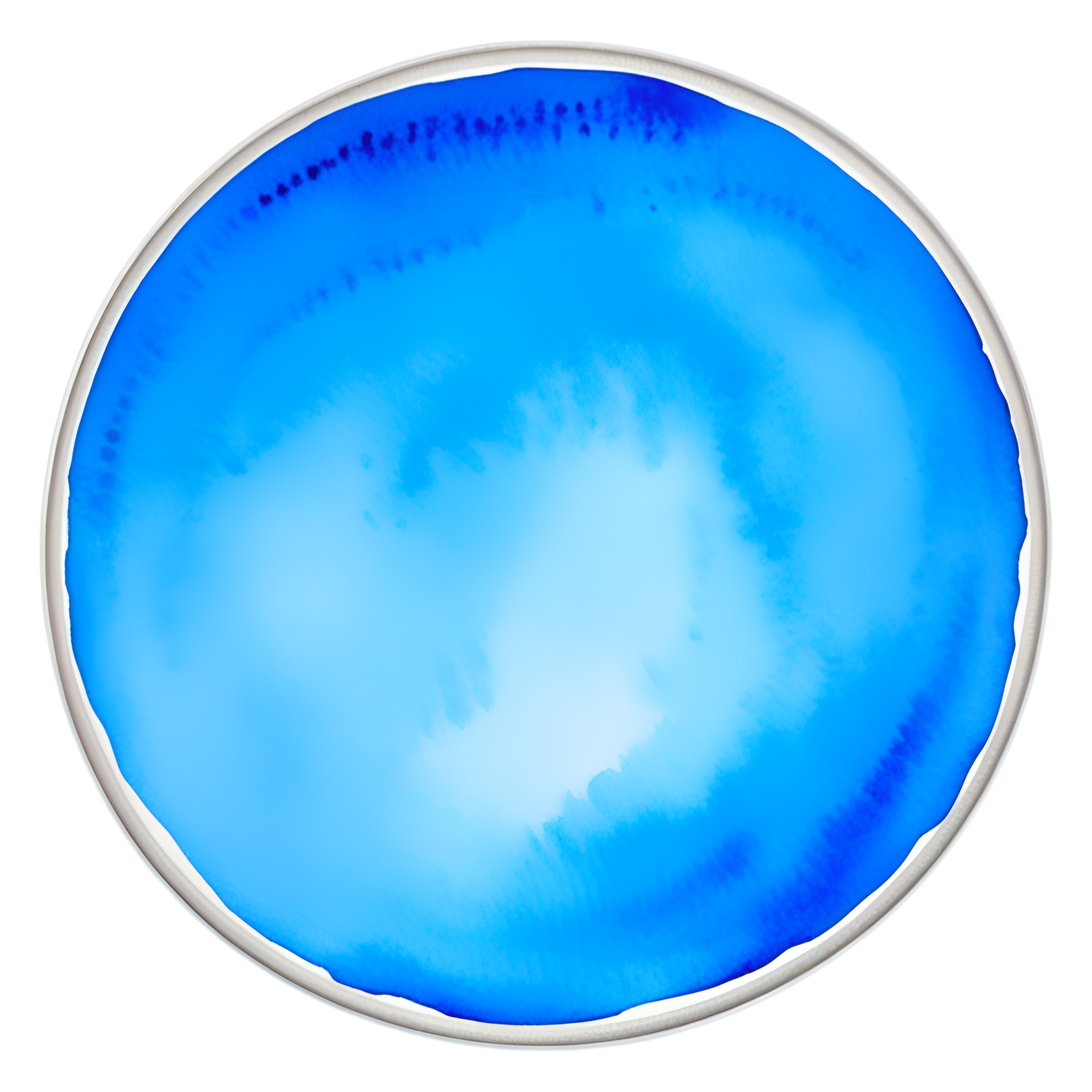
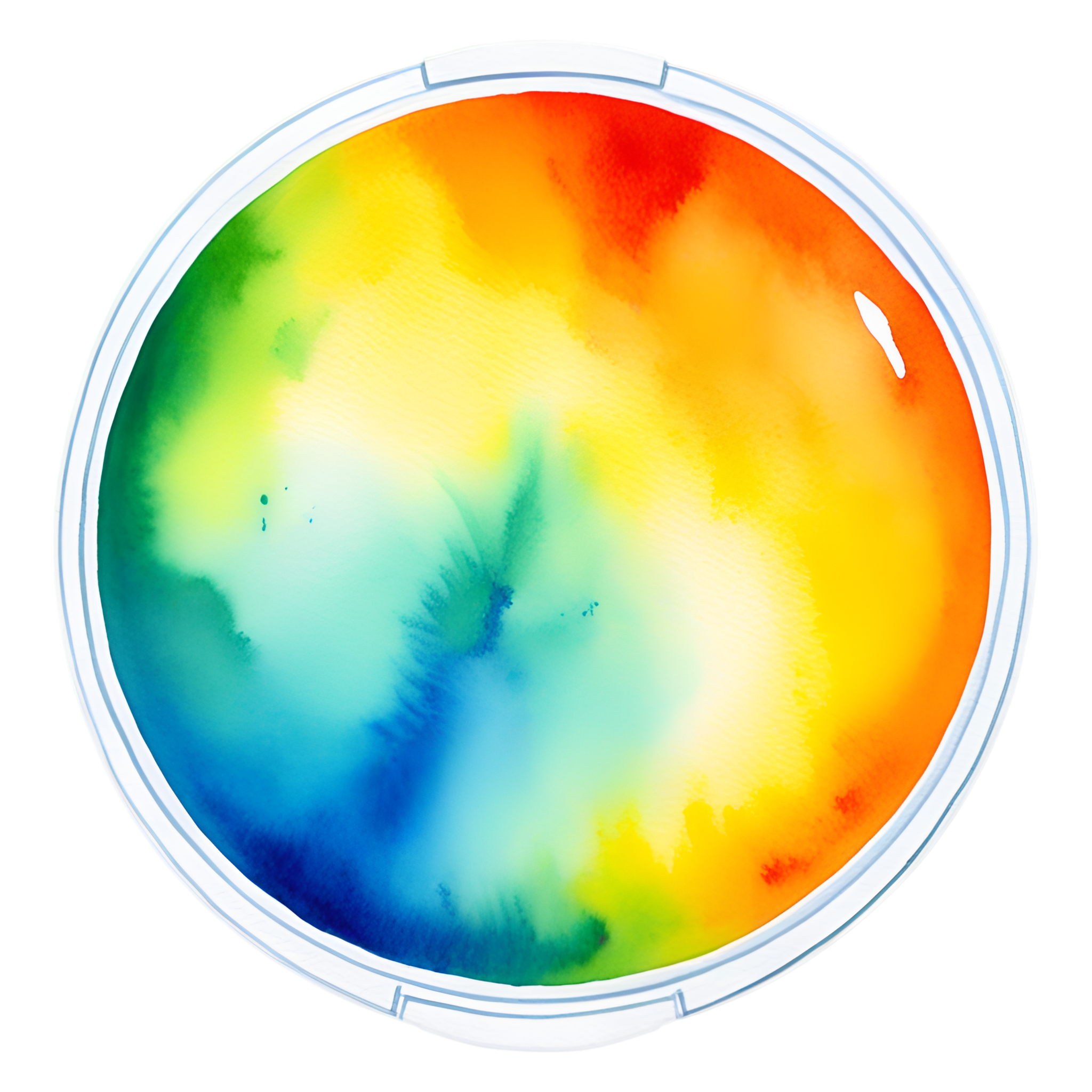
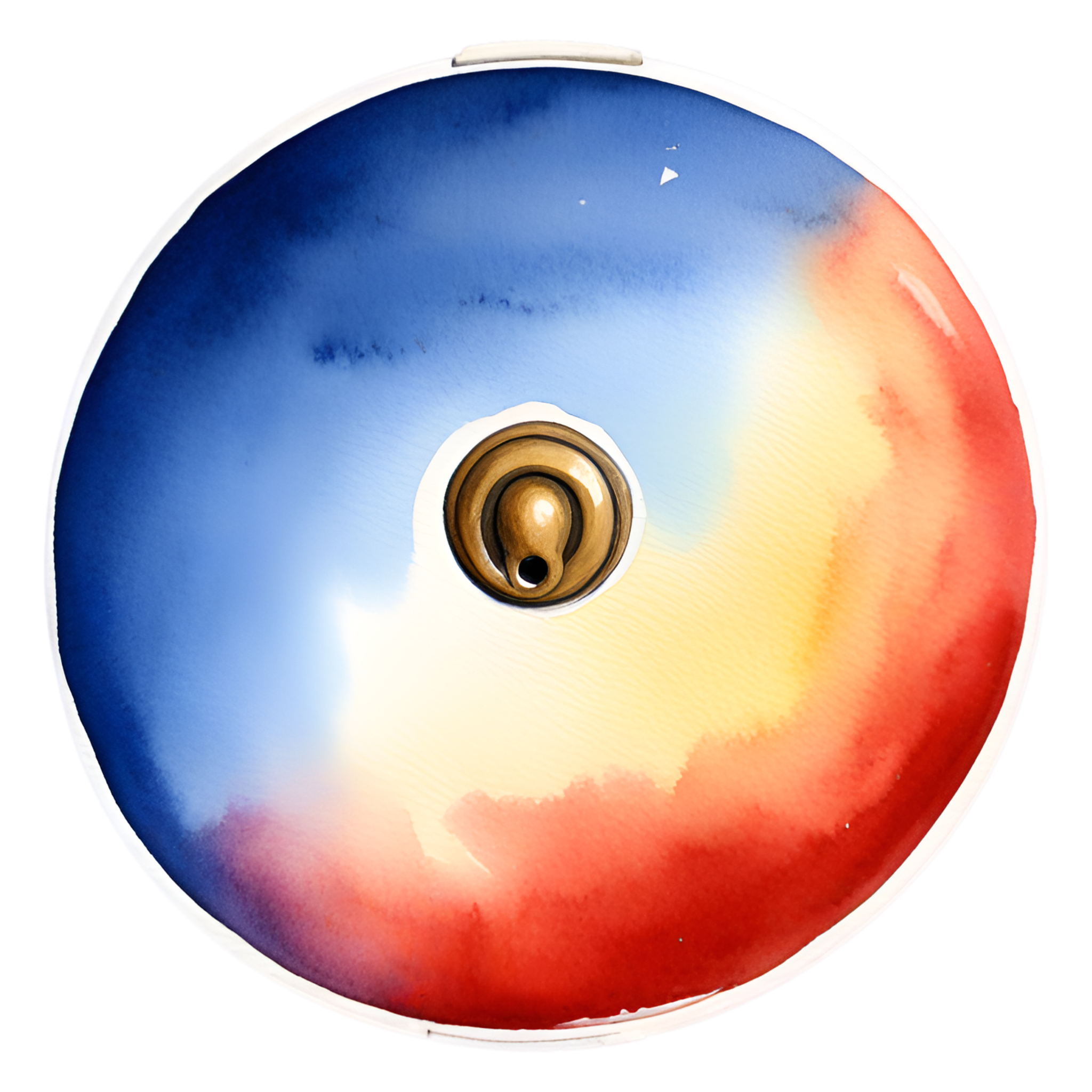
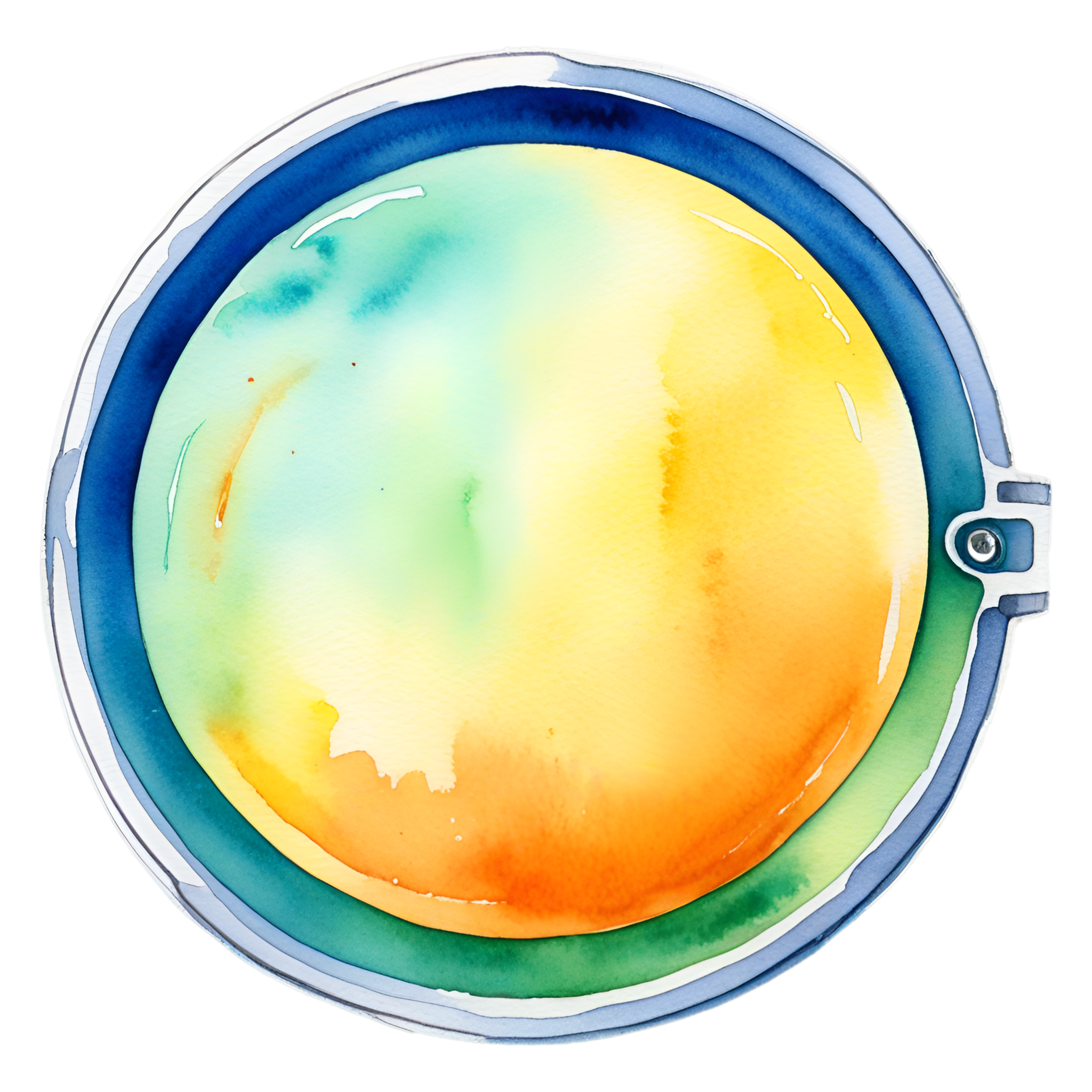
Every image is a single lid seen straight from above, which makes them sit flat on a page like labels. There are two mason jar lids: one with a silver metal rim and a deep blue enamel center, and one with a metal rim and a vivid blue dotted wash. Two canning jar lids show the flat disc inside its ring band, one blue and one a sunny yellow disc in a blue band with a side clamp. Two plastic food container lids have snap tabs, one painted in blue and pink and one in rainbow colors. The set ends with a round tin lid in pale blue with a thin metallic rim, and a pot or jar lid with a turned wooden knob on a blue-and-red top.
Canning labels, pantry signs and CVC word cards
The obvious home for these lids is canning season, late summer into fall, when people need jam and pickle labels, preserve gift tags and swap-party invitations. Farmers market sellers can use them on price cards for jars of honey, salsa or jam. Home organizers use lid art on pantry and fridge labels, meal-prep planners and leftover-tracking sheets. In classrooms, lid is a standard short-i CVC word (consonant, vowel, consonant), so a lid picture belongs on phonics flashcards, word-family charts with kid, hid and did, and speech-practice cards for the L sound. Preschool teachers can also use the round lids for circle-shape and matching games.
Mostly blue, with a few warm accents
Blue dominates this set, from deep enamel to pale tin, matched on this page to DMC floss such as 826 Blue Medium, 996 Electric Blue Medium and 3072 Beaver Gray Very Light for the metal rims. The rainbow and blue-and-pink container lids and the yellow canning disc add warm notes. For a canning label, pair a lid with a basil sprig on pesto or a marigold on a fall harvest jar. For classroom sheets, the pencil set fits alongside, and the abstract shapes make soft backgrounds for word cards. More everyday items are in the objects hub.
Sizing a lid image to a real jar
To make a printed lid topper, measure the flat disc inside the band of your jar, since a regular-mouth band is 70 mm across and a wide-mouth band 86 mm, and the visible disc is a little smaller. Scale the lid image to that circle, print on sticker paper and cut with a circle punch or a cutting machine. Each file is a 2048 x 2048 px transparent PNG, about 6.8 inches at 300 DPI, so shrinking to jar size keeps every line crisp. Leave the center of the enamel and dotted lids clear for handwriting the contents and date.