There is no lead in a lead pencil
The core of a pencil is graphite mixed with clay, and it has never contained lead. The confusion goes back to the 1500s, when a large deposit of pure graphite was found in Borrowdale, England, and people took the shiny black mineral for a kind of lead. In 1795 the French inventor Nicolas-Jacques Conté worked out how to bake powdered graphite with clay, and changing the ratio of clay changed how hard or soft the mark was. That is where pencil grades come from. The American "No. 2" is a mid-range grade, roughly the same as HB on the European scale, which is why it became the standard for school work and for bubble-in tests read by scanners. Attaching an eraser to the end of a pencil was patented in the United States in 1858.
Eight pencils, from fresh to worn
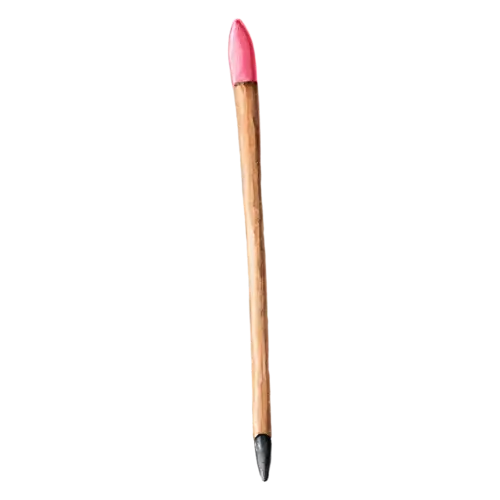
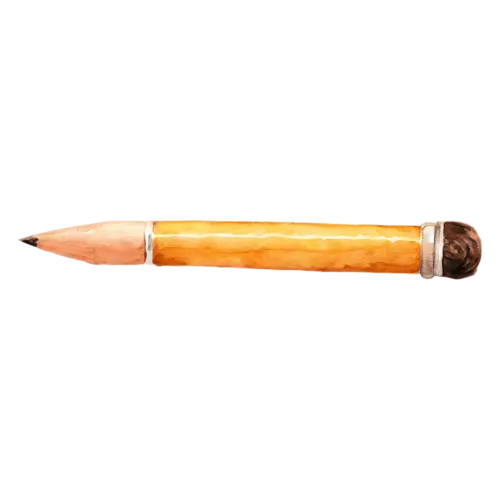
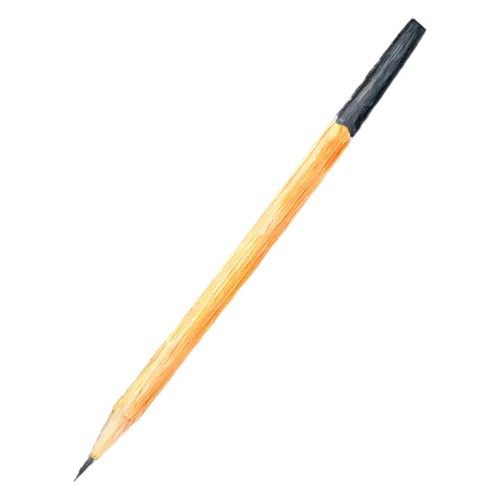
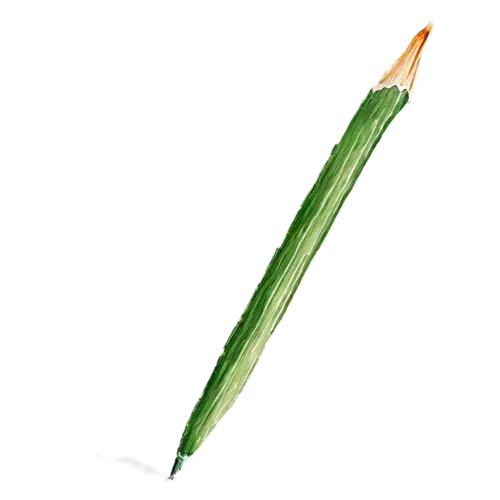
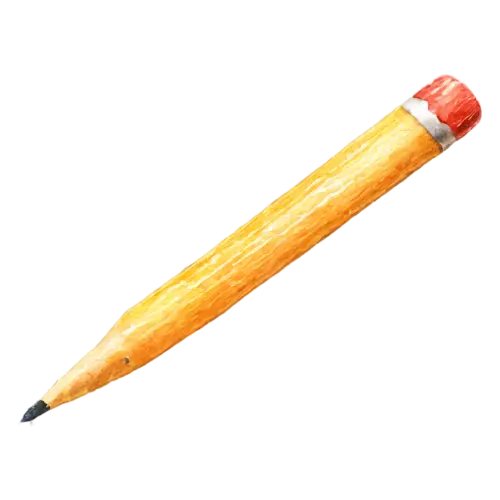
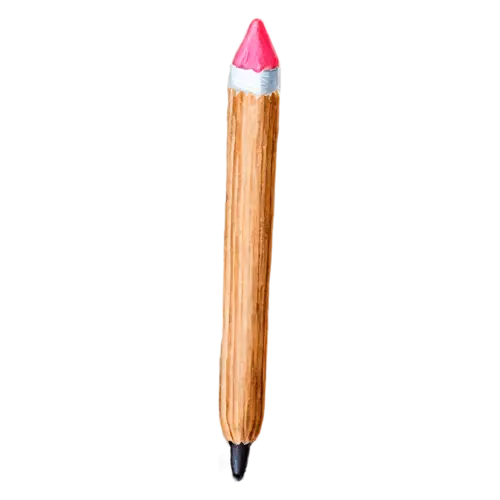
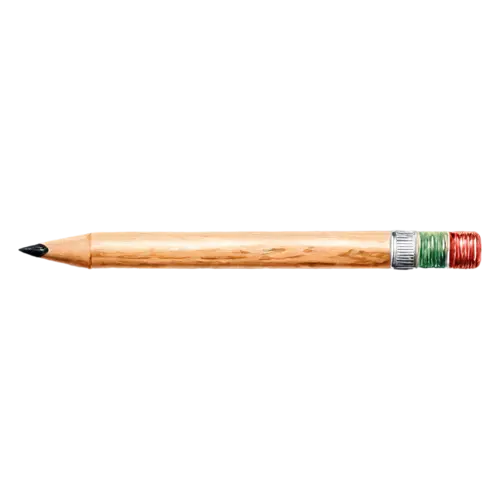
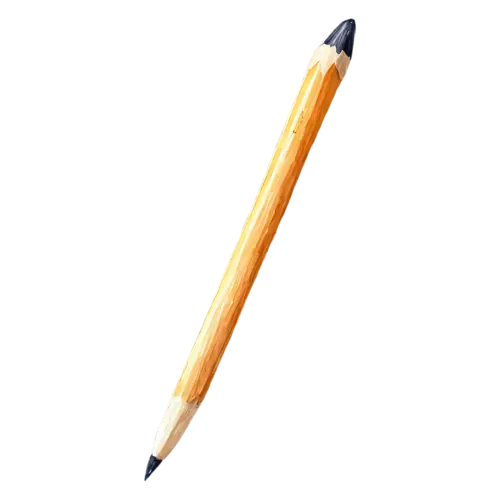
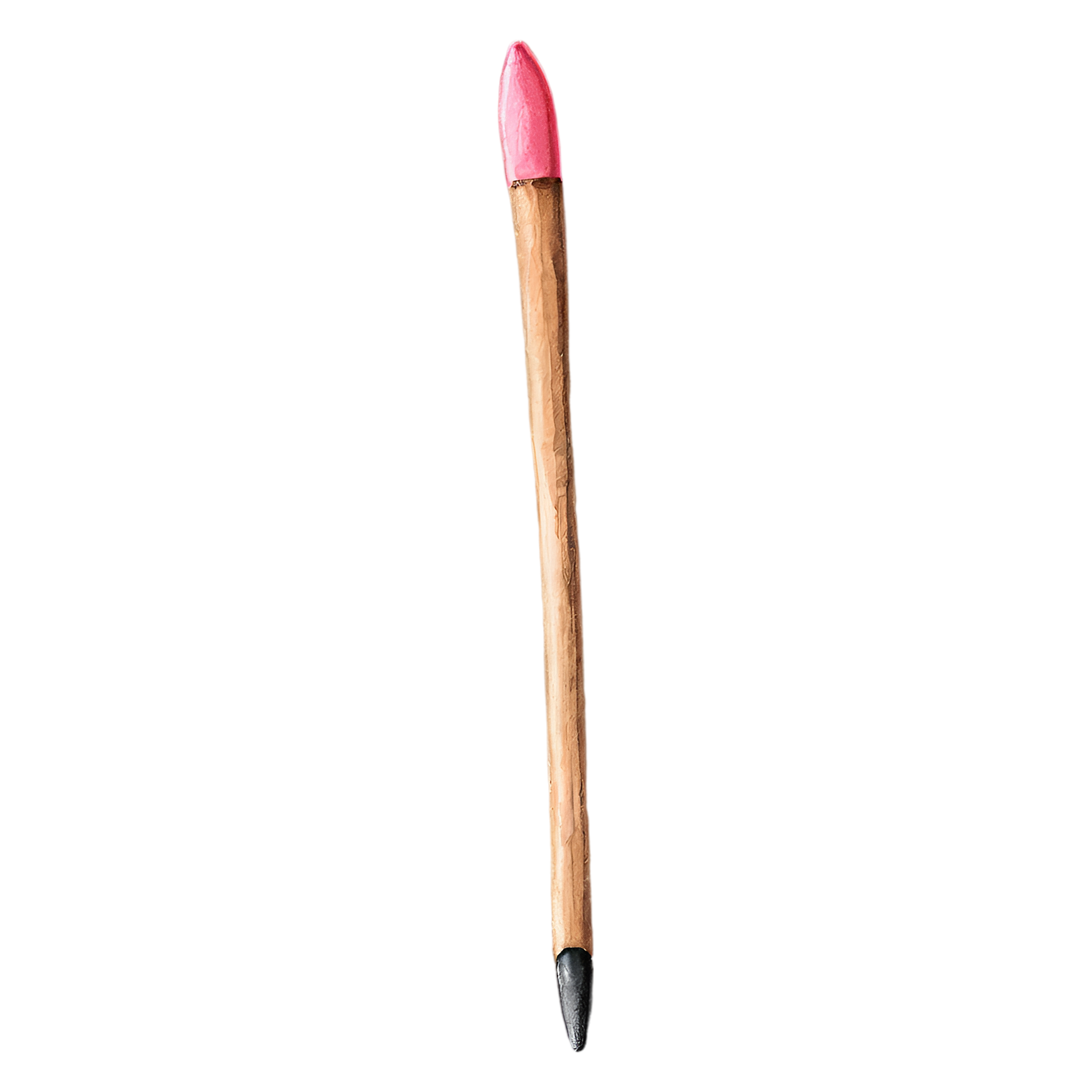
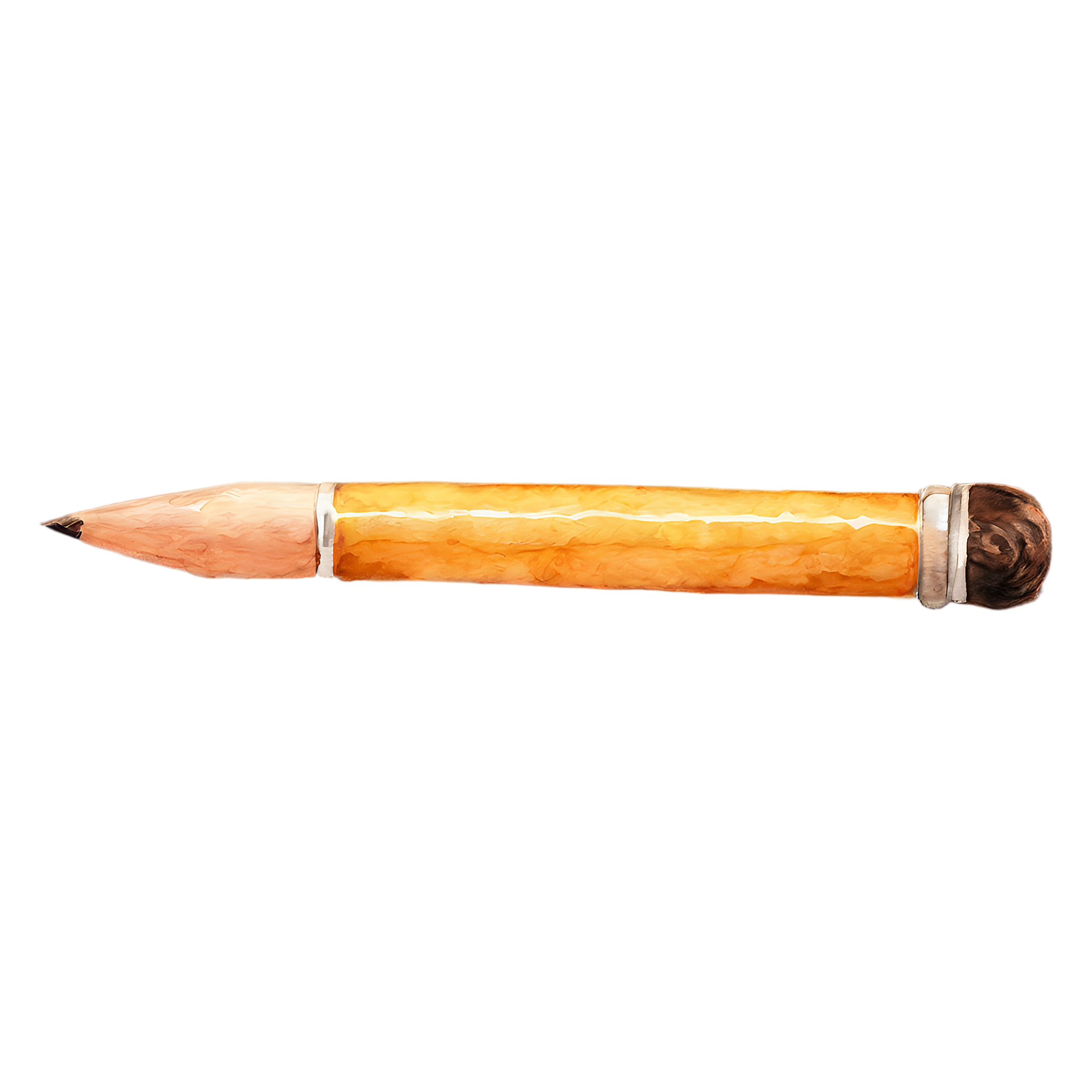
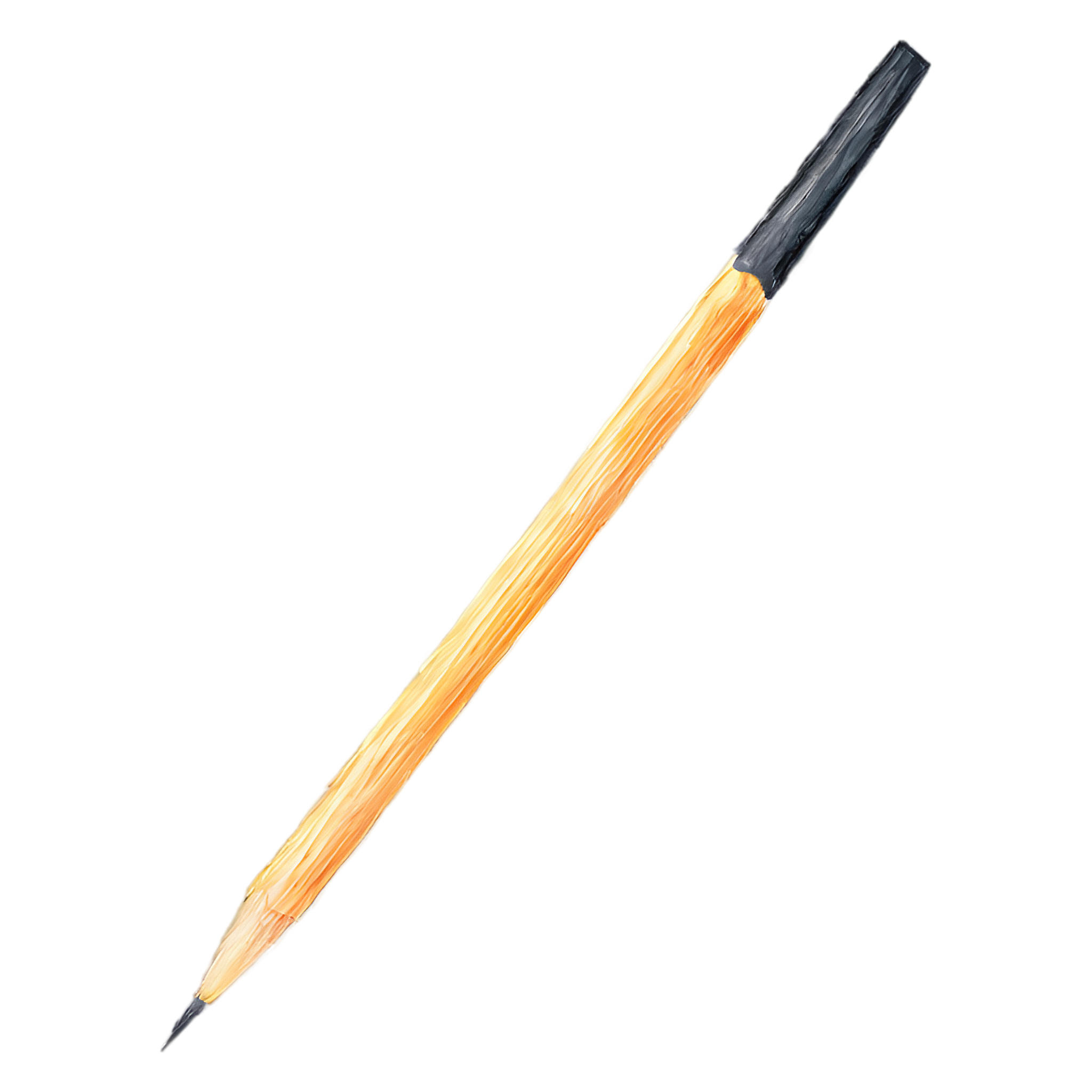
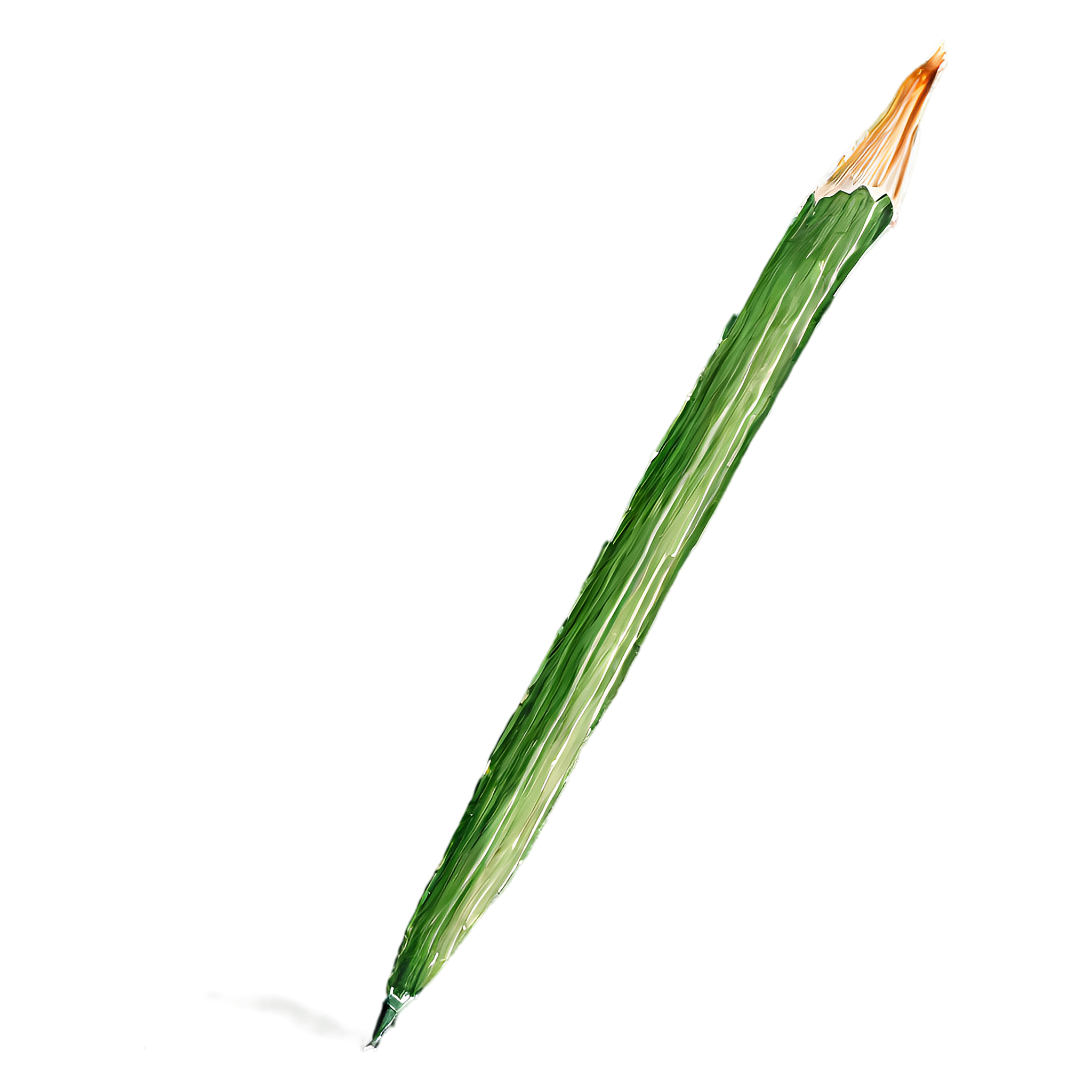
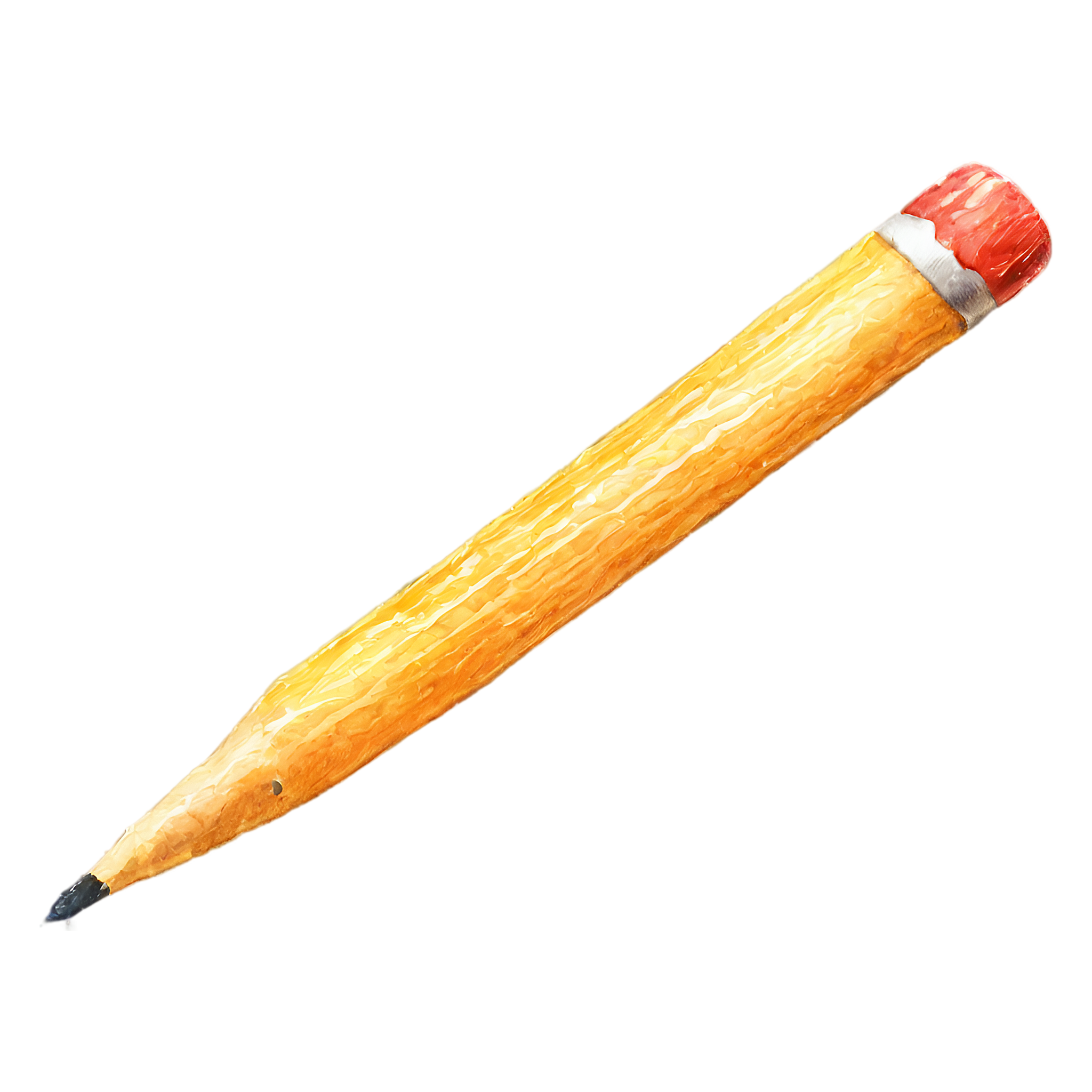
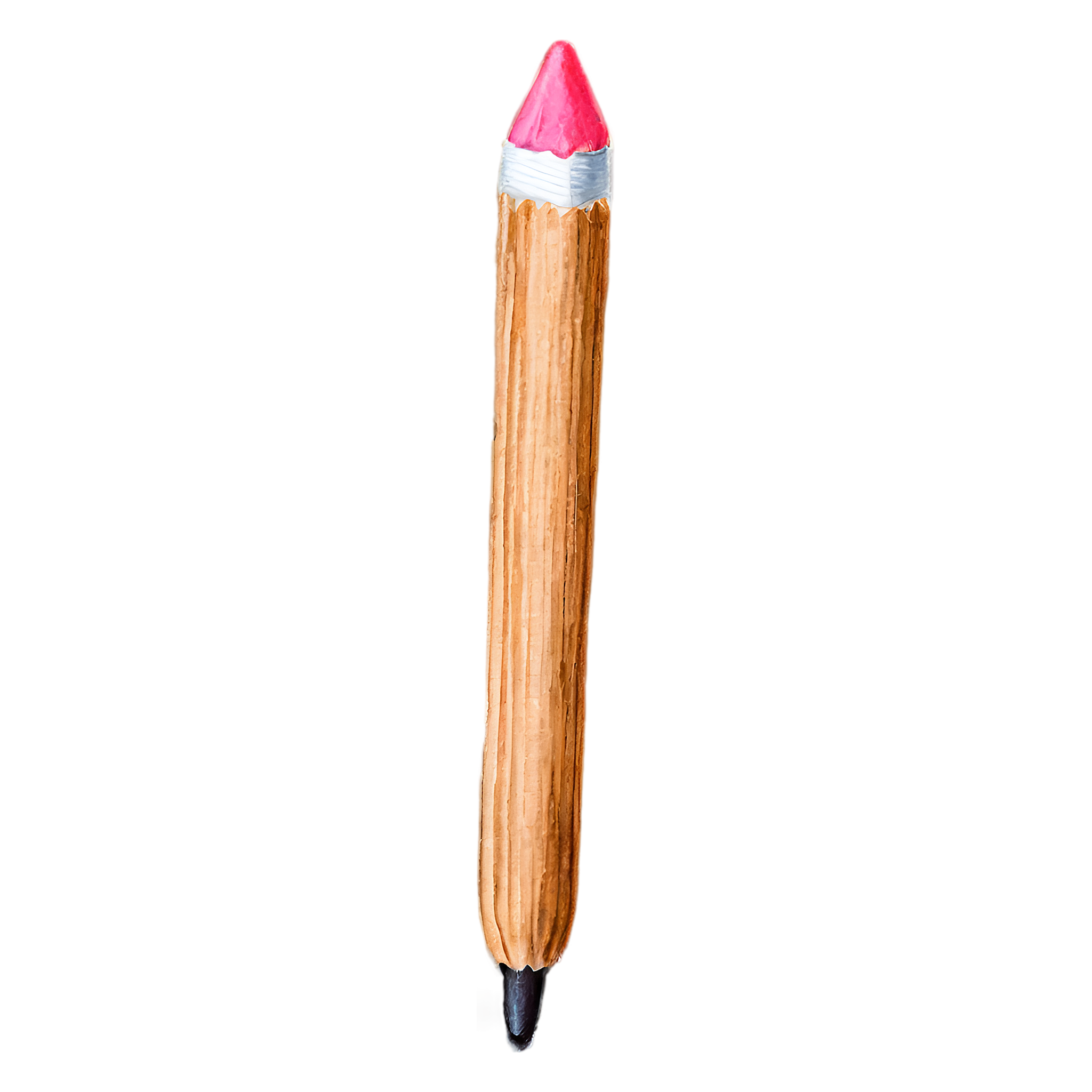
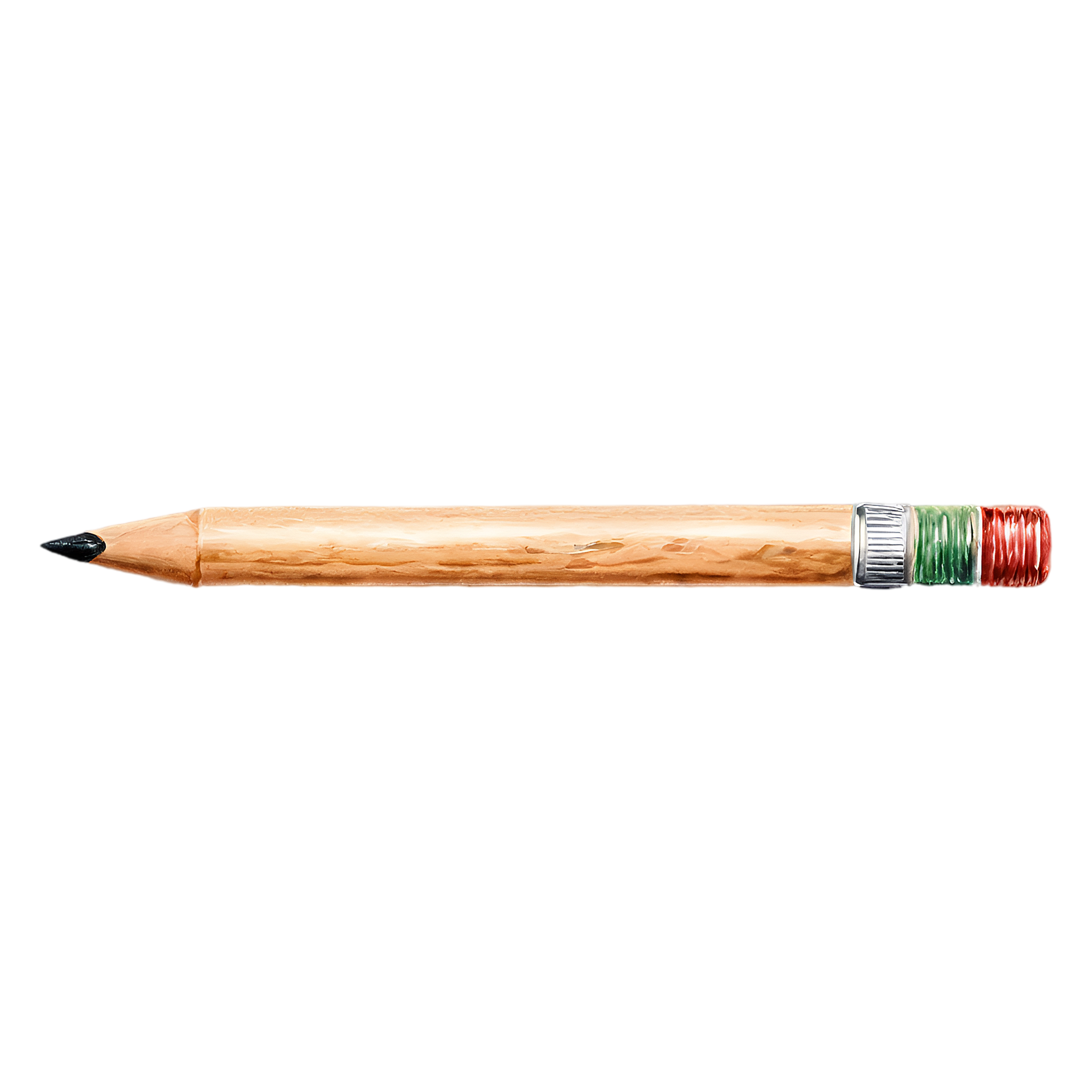
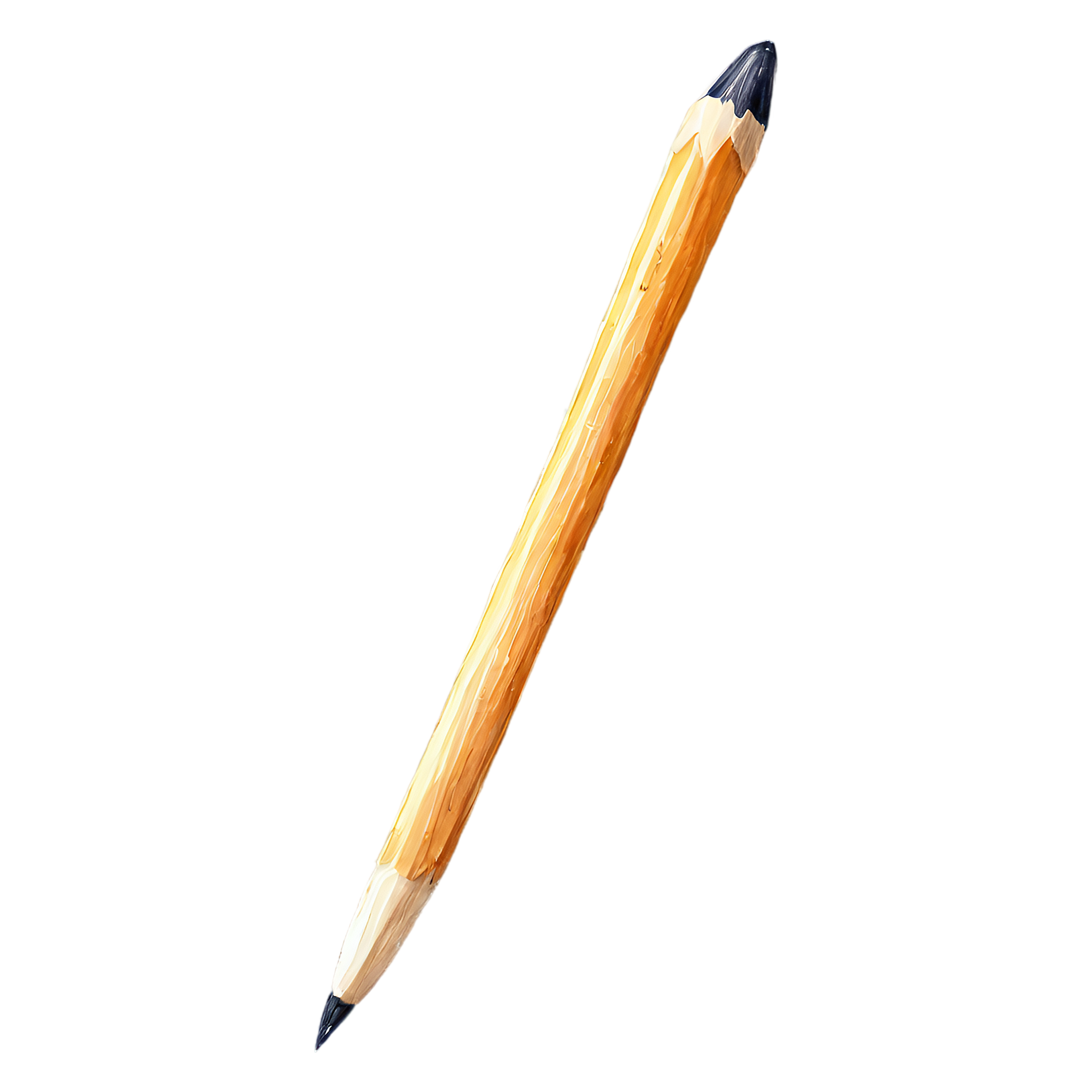
The set covers the pencils people actually picture. The first is a classic yellow wooden No. 2, freshly sharpened. Another has a pink rubber eraser on the end, and a third is a natural, unpainted wood pencil with a sharpened point. A short, well-used pencil worn down to a stub adds a bit of story, handy for a "hard work" or end-of-year message. Two are colored pencils, one red and one blue, so you can suggest grading, drawing or coloring without a full box of crayons. One pencil is drawn diagonally, the angle most layouts need for a corner accent. The last is a flat carpenter's pencil, a different tool entirely, made flat so it won't roll off a sloped roof or a sawhorse.
Back to school, teacher gifts and the woodshop
Pencils mark the start of the school year, so the busiest season for this set is late July through September: back-to-school flyers, first-day-of-school photo signs, supply list printables and classroom labels. Teacher Appreciation Week in early May is the second peak, when parents print gift tags for pencil bouquets and teacher mugs. Tutors, homeschool co-ops and test-prep centers use the No. 2 on worksheets and business cards. The red pencil suits editing services and grading stickers, and the colored pencils fit art class and coloring book listings. The carpenter's pencil is its own audience: woodworkers, contractors, framers and maker-shop logos and estimate forms.
School-bus yellow, cedar tan and eraser pink
Warm yellows dominate, matched most often to DMC 3853 Autumn Gold Dark and 742 Tangerine Light, with the tan of bare wood, the soft pink of the eraser, and single accents of red and blue. On a page these pencils add warmth next to cooler shapes. Pair them with the abstract shapes set for a playful classroom poster, or with vintage ephemera for a journaling or stationery layout. Bright sunflowers echo the yellow for a September teacher card. The objects clipart hub has the rest of the everyday items on the site.
Using a pencil as a line, not just an icon
A pencil is long and thin, which makes it more useful as a design element than most clipart. Lay the diagonal pencil across a corner as a frame accent, run the yellow No. 2 horizontally under a title as an underline, or stack the red and blue colored pencils at an angle to point into a text box. For classroom labels, scale one pencil to the height of the label and place it along the left edge. Each file is a transparent PNG at 2048 by 2048 pixels, about 6.8 inches at 300 DPI, so a pencil stretched across a letter-size worksheet still prints cleanly. For planner stickers, use print-then-cut on a cutting machine and keep the pencil at least an inch long so the sharpened tip survives the cut.