Paper that was never meant to last
Ephemera is the name collectors give to everyday paper made for short-term use: tickets, receipts, labels, tags, letters, programs and the like. The word comes from the Greek for lasting only a day. Because people threw these things away, the ones that survive are scarce and say a lot about ordinary life in their time, from what groceries cost to how a shop wrote its prices. Historians, archivists and museums collect ephemera for that reason. Crafters prize it for the look: soft yellowed paper, foxing spots, faded ink, torn edges and curled corners. That look is the foundation of junk journaling, where old and found paper is layered into handmade books, and of mixed-media collage and scrapbooking.
Ten pieces of aged paper
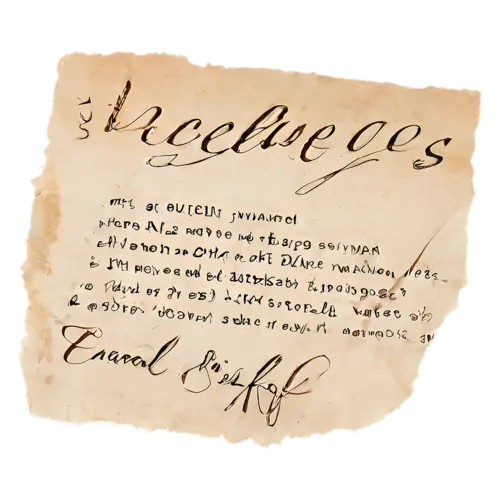
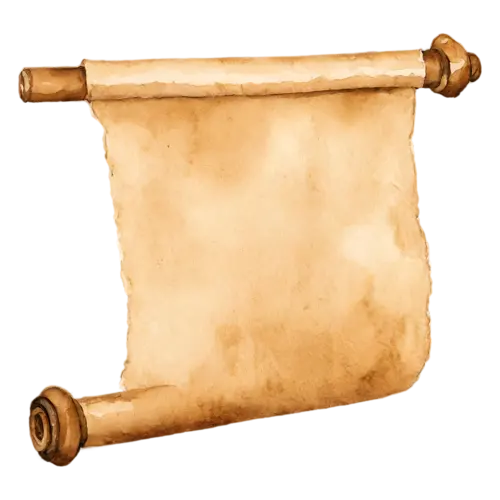
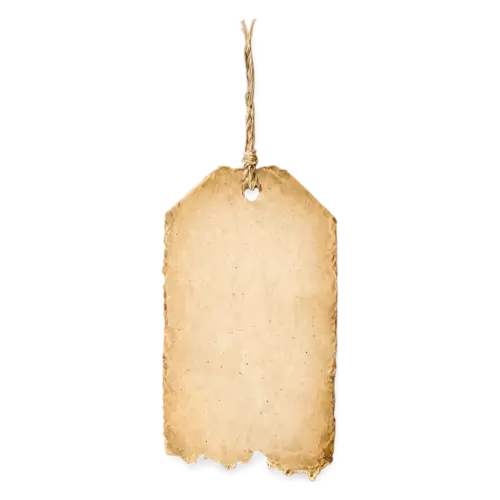
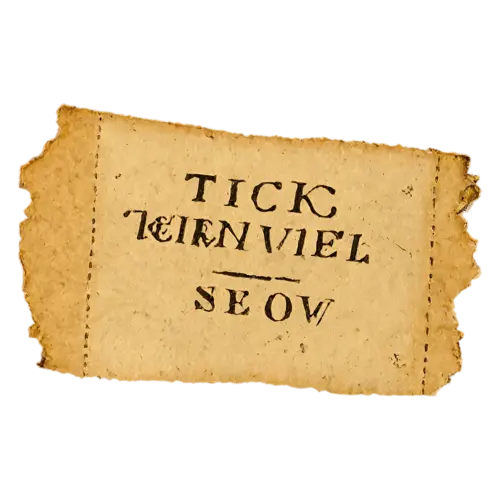
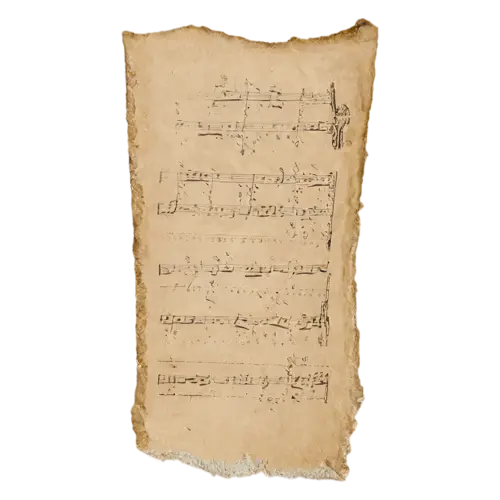
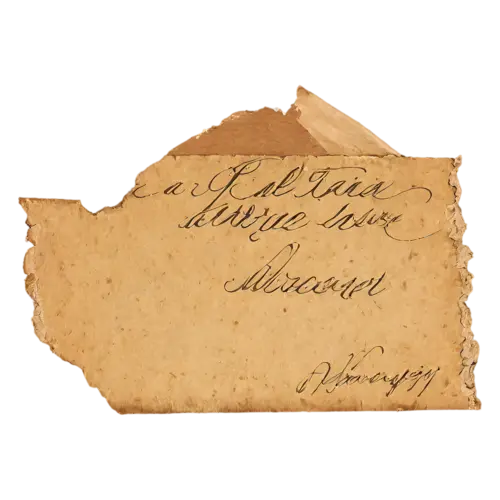
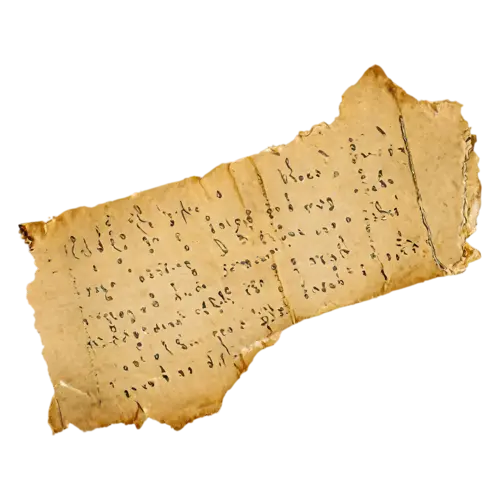
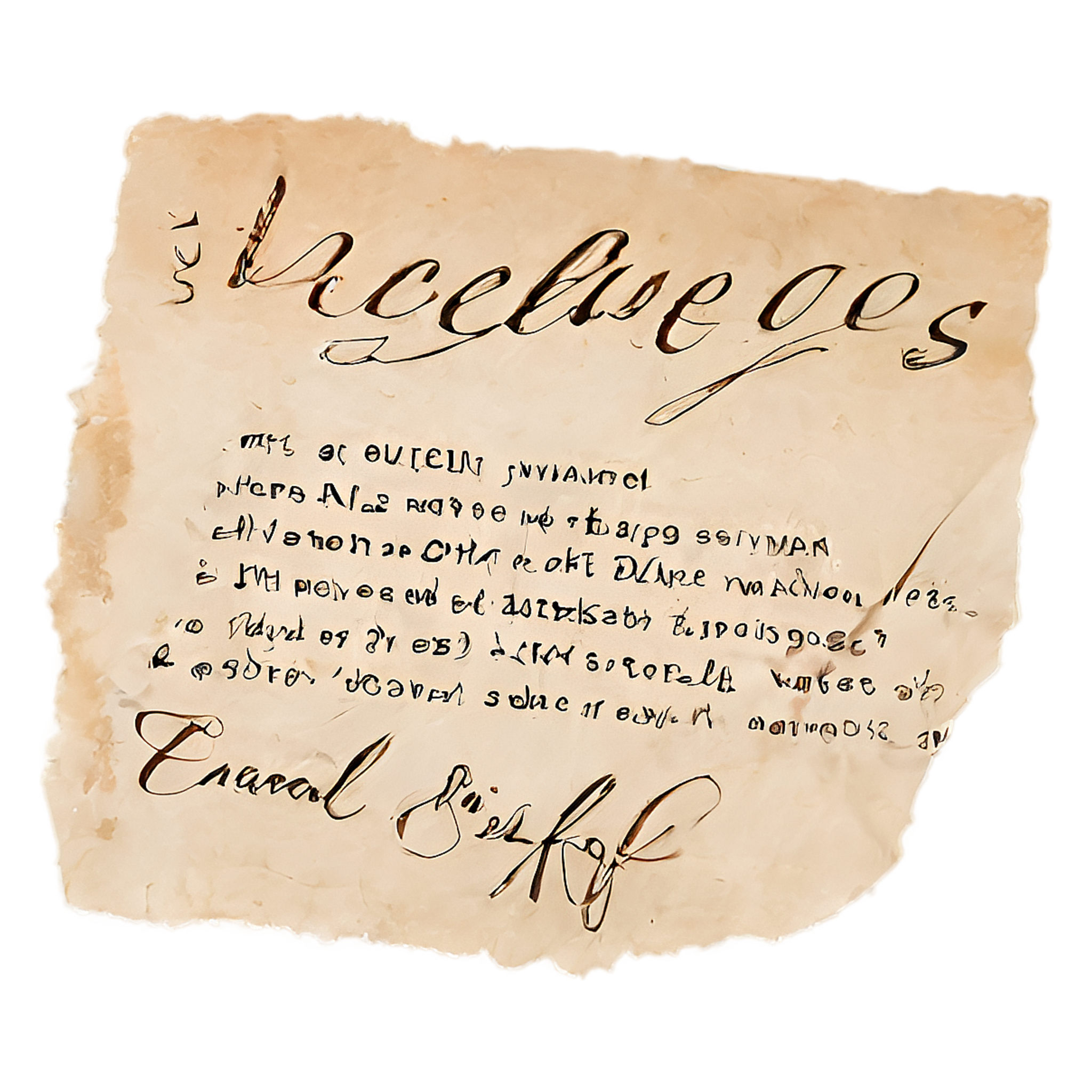
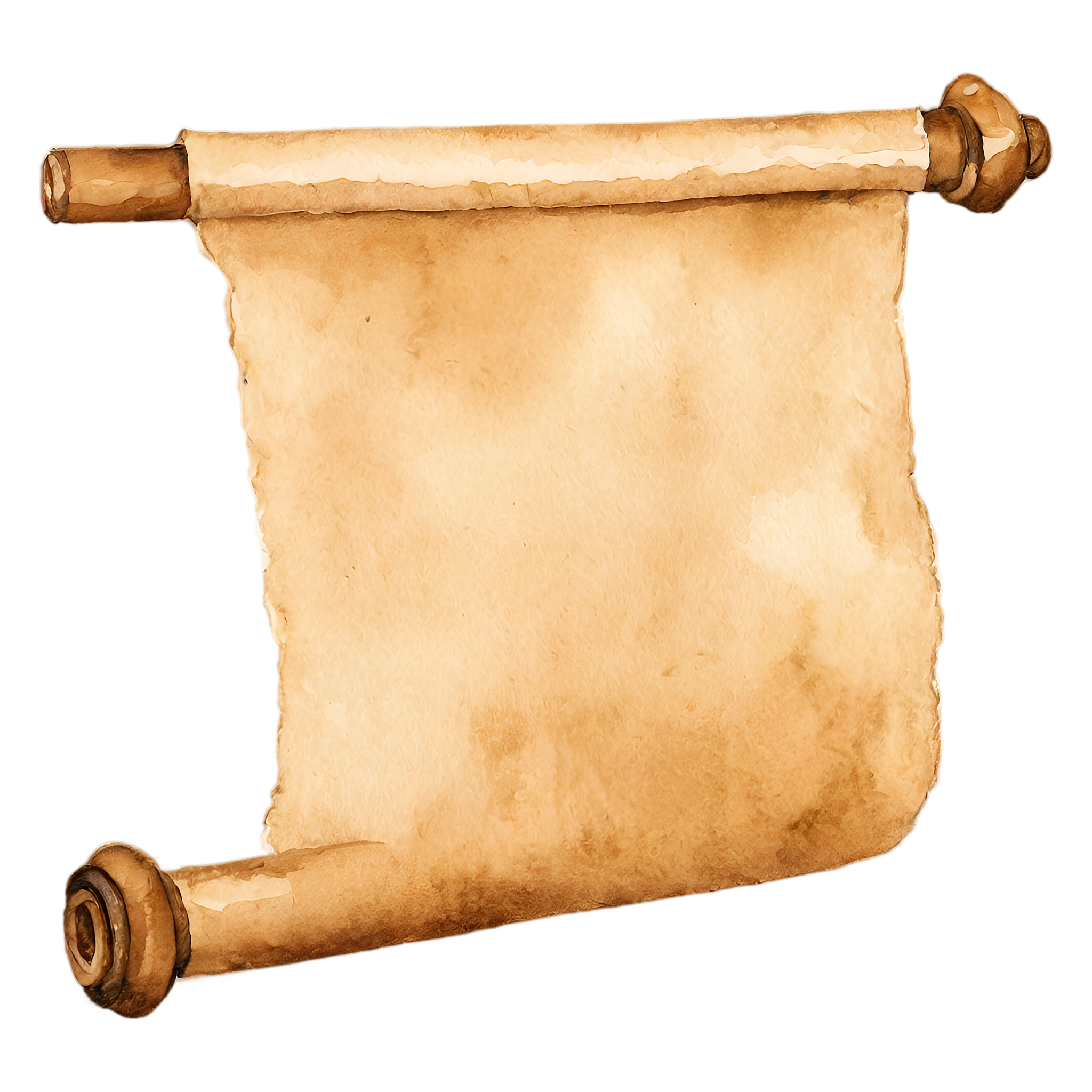
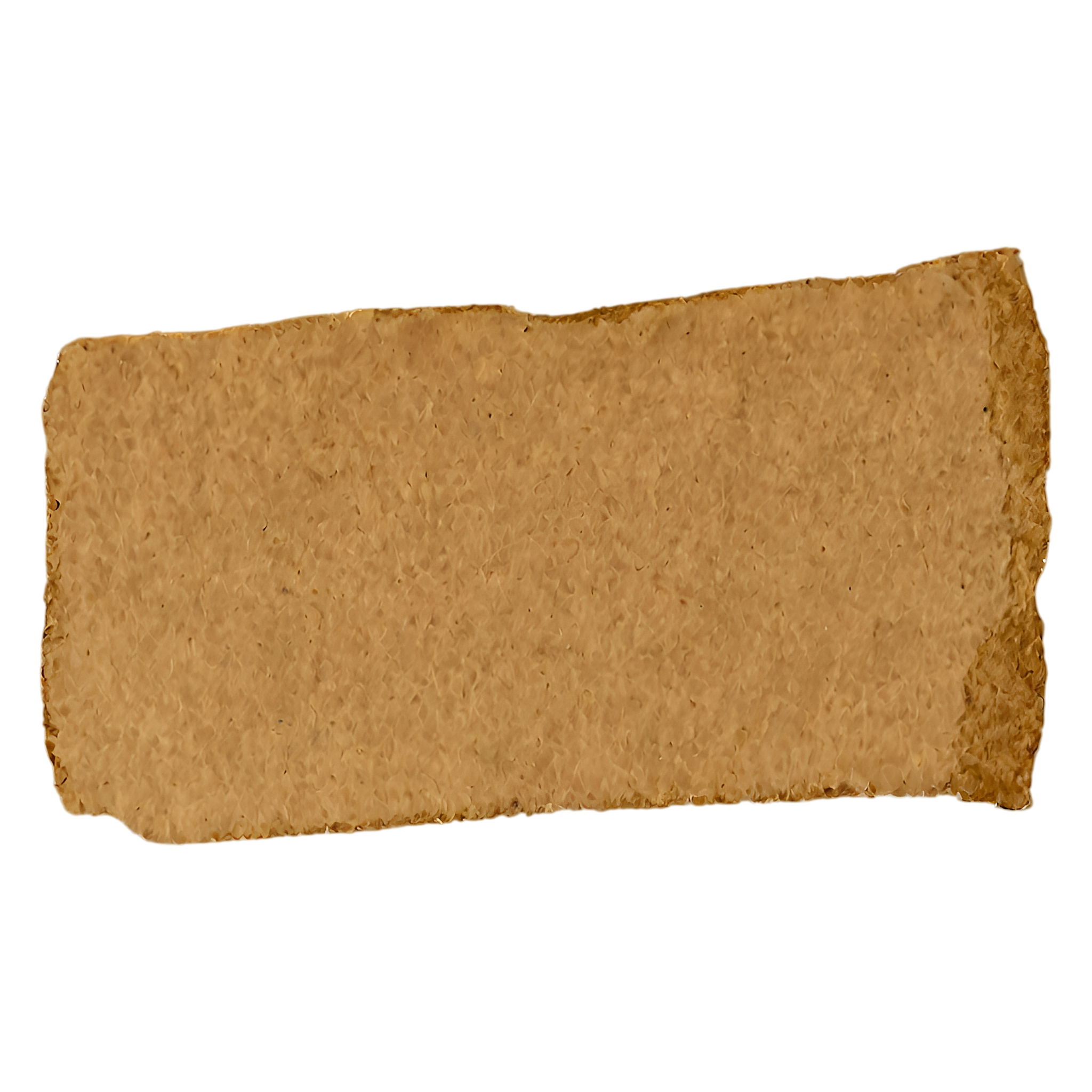
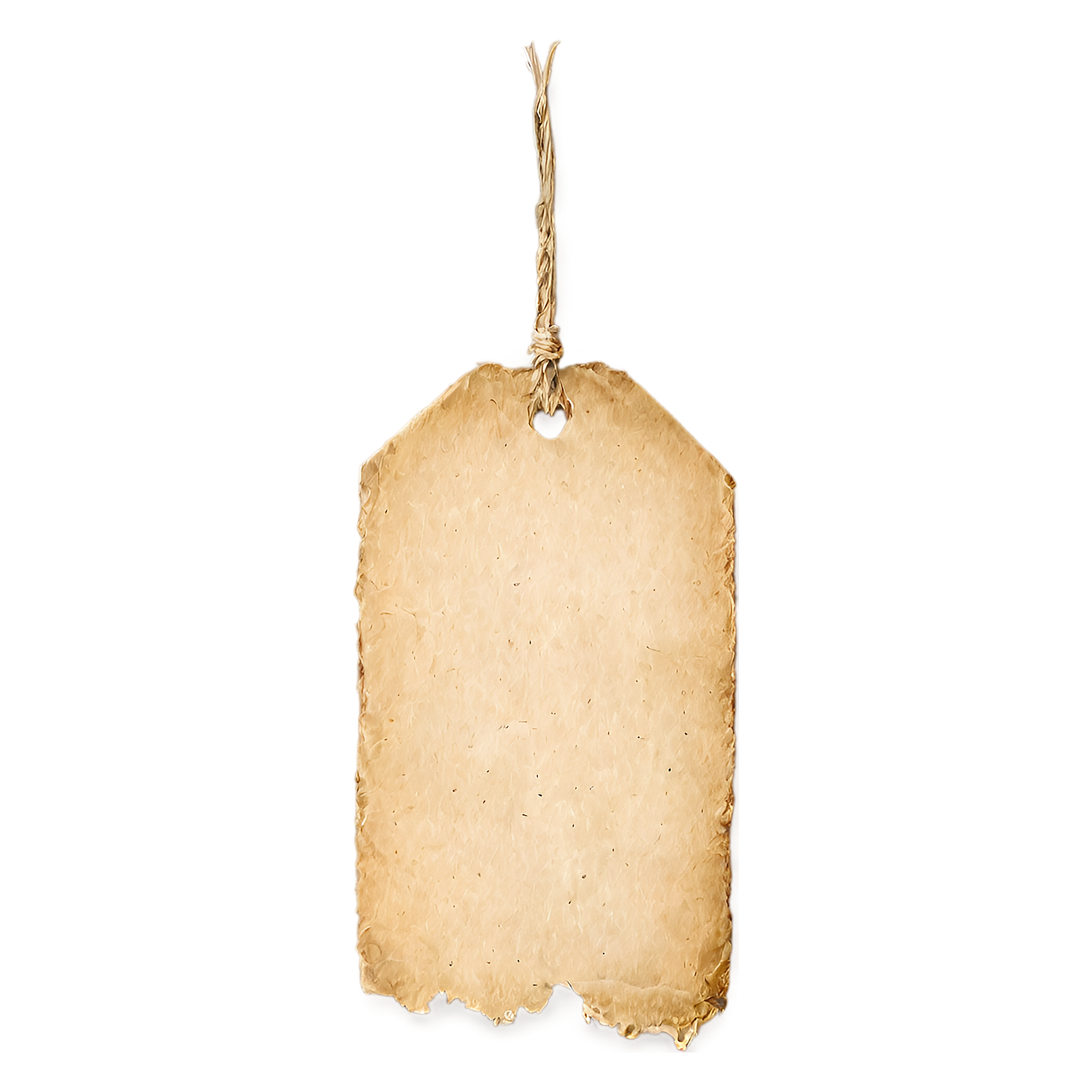
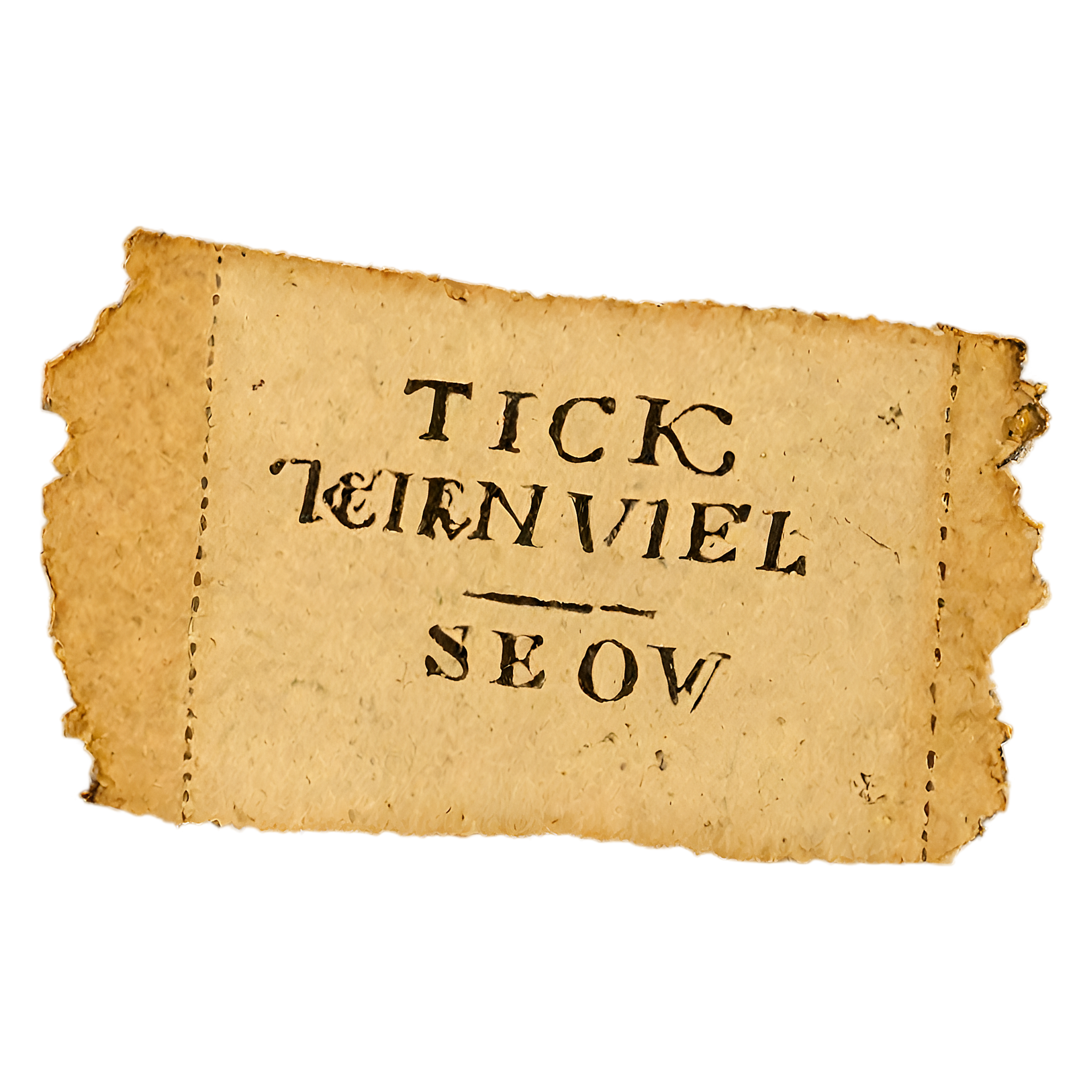
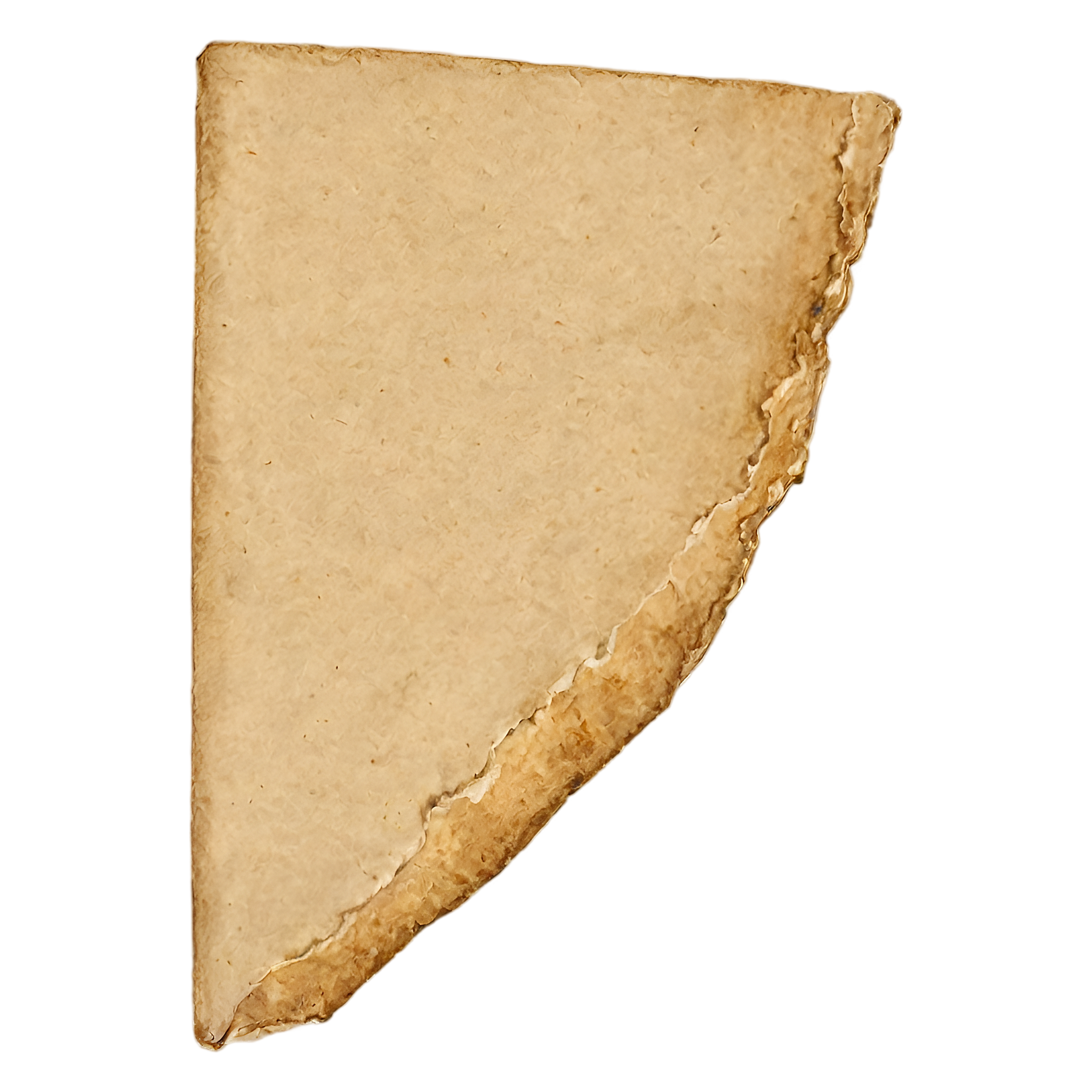
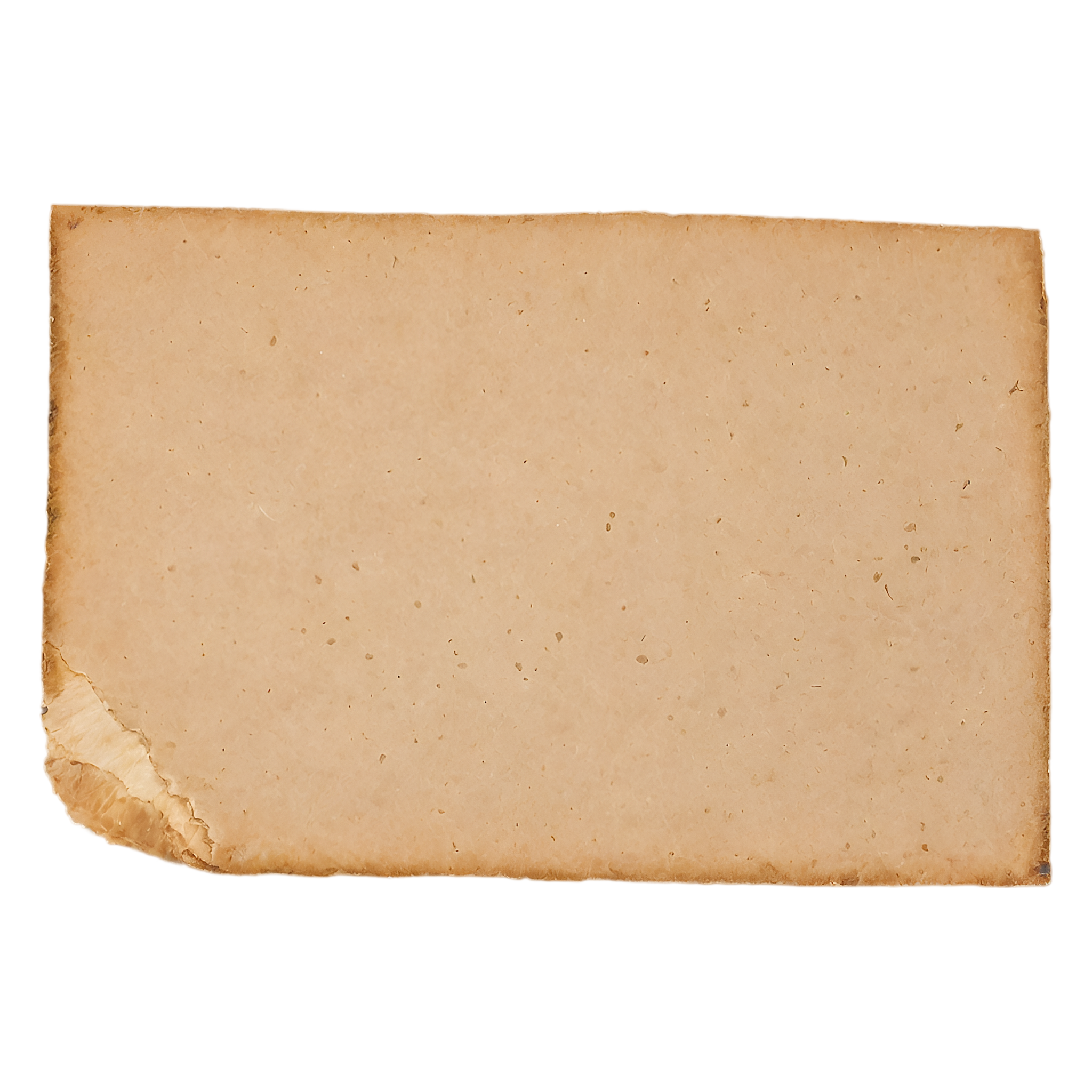
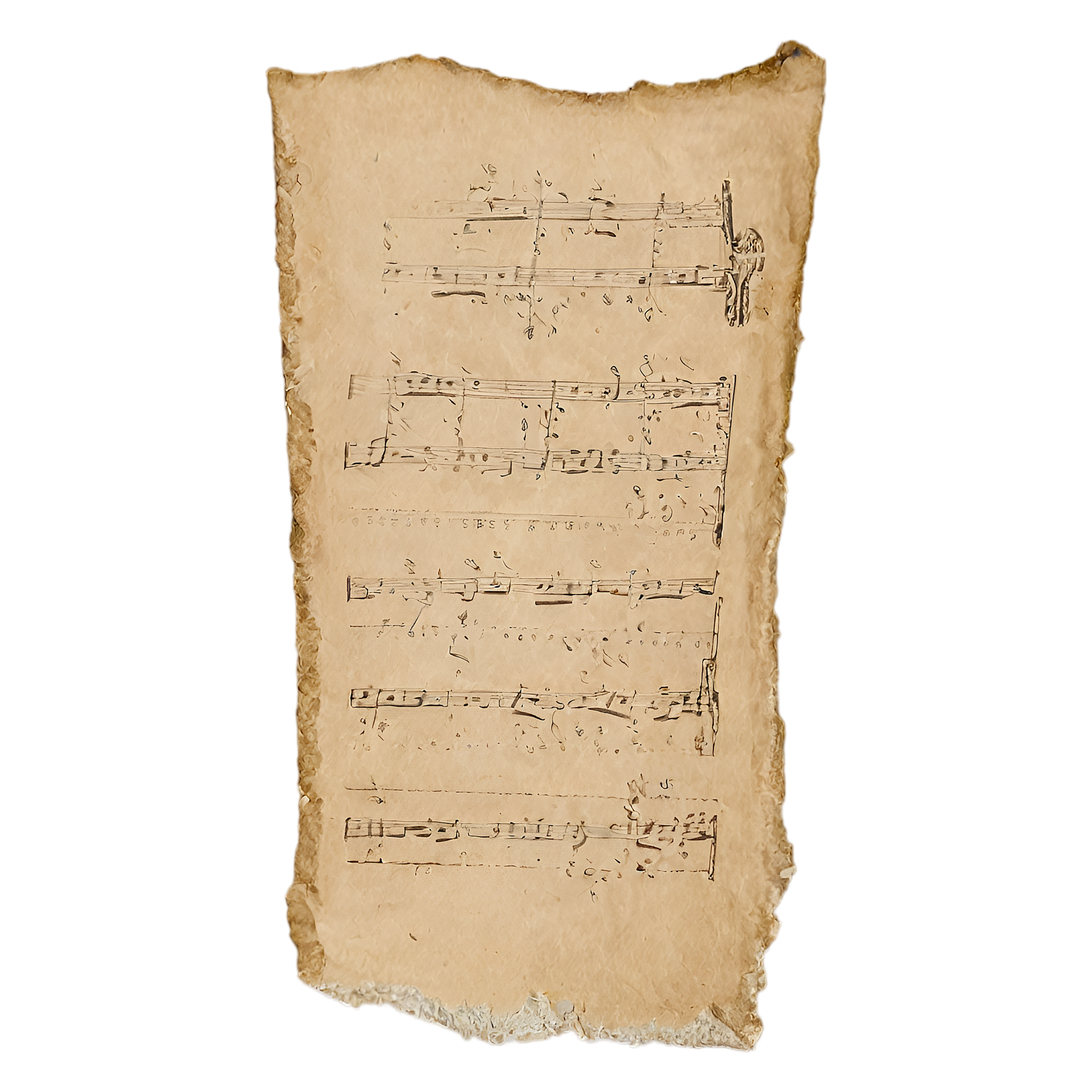
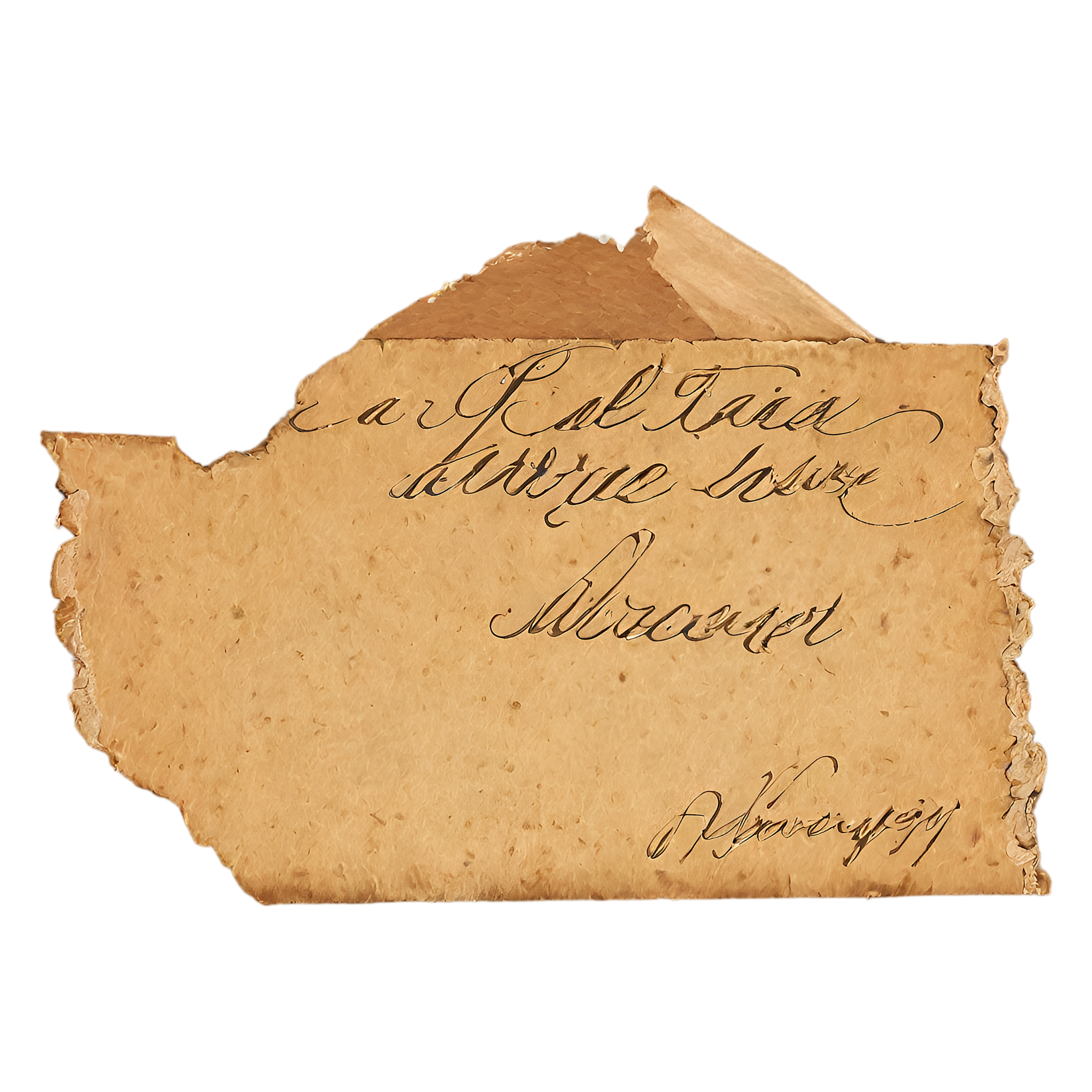
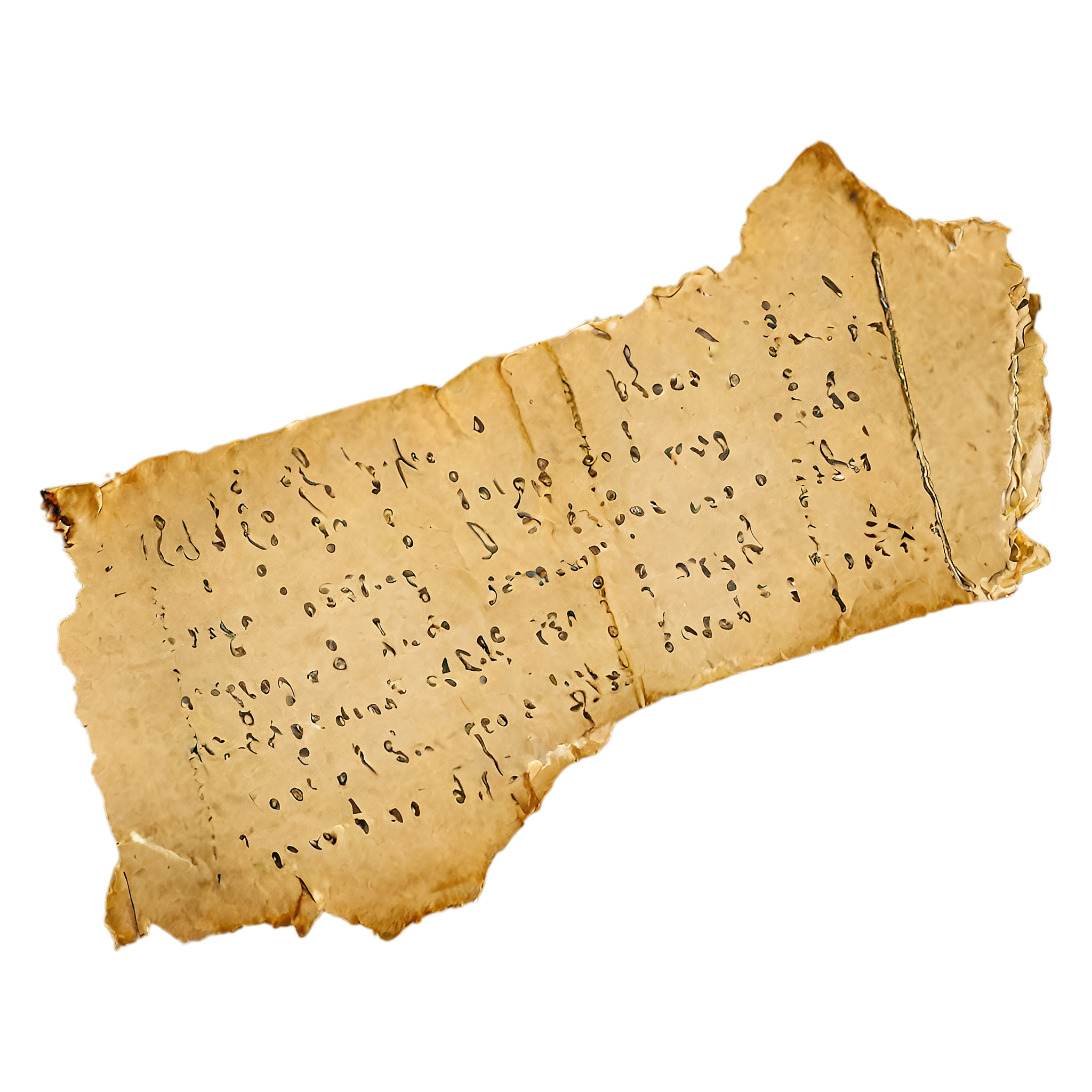
Each image is one paper item on its own, aged in warm sepia, tan and cream. The set includes an aged handwritten receipt with faded cursive (01), a rolled parchment scroll (02), a torn scrap of an old ledger page (03), a weathered handwritten letter (04), a small aged price tag tied with twine (05), a yellowed ticket stub (06), a faded vintage postage label (07), the curled corner of an old book page (08), an antique handwritten note card (09) and a torn fragment of sheet music (10). The handwriting is decorative texture rather than readable text, so it will not compete with your own words when you layer a title or a journal entry on top.
Junk journals, digital planners and vintage invitations
Junk journalers can print the whole set on one sheet, cut the pieces out and tuck them into pockets and envelopes, or use them as a base layer under photos. Digital planner users can drop them into GoodNotes or Notability as stickers, with the note card (09) or the tag (05) as a writable label. Etsy sellers build digital ephemera kits around exactly these items. The scroll (02) suits a treasure-hunt clue, a fantasy map legend or a certificate. The ticket stub (06) and sheet music (10) fit vintage-theme wedding programs, recital invitations and anniversary albums. Teachers can use the receipt and ledger scrap in a lesson on reading historical documents.
Sepia and tan with florals and botanicals
The palette is a narrow run of warm neutrals: tan, topaz, golden brown and medium brown, with cream highlights. On-page thread matches include DMC 436 Tan, 437 Tan Light and 433 Brown Med. Ephemera layouts usually pair paper with pressed-flower or botanical images, so combine these pieces with the bouquets in wildflowers in a jar, the soft blooms of garden roses, or stems of lavender. For a school-themed page, add a pencil. The gallery belongs to the ephemera hub. Sepia paper looks most convincing on a dark background or a kraft page, where the pale cream edges read as old paper rather than blank space.
Printing ephemera that looks real
Each PNG is 2048x2048 pixels on a transparent background, about 6.8 inches square at 300 DPI. Print on matte paper or a light cream stock rather than glossy photo paper, which gives away a printed copy. For extra depth, add a soft shadow under each piece in your design app so it appears to sit on the page. After printing, a quick rub of a brown ink pad or a used tea bag along the cut edges blends them into handmade journal pages. For digital stickers, keep each piece between 1 and 3 inches so several fit on one planner spread.