The flower that changes color with the soil
The big, rounded hydrangea most people picture is the bigleaf hydrangea (Hydrangea macrophylla), a shrub native to Japan. Each "bloom" is a cluster of many small florets, and the showy, four-part color on each floret comes mostly from sepals rather than petals. Its best-known trick is chemistry: in acidic soil, where the plant can take up aluminum, the flowers turn blue; in neutral or alkaline soil they turn pink; in between they come out lavender or purple. White varieties stay white whatever the soil. Gardeners distinguish the round mophead form from the flatter lacecap, which has a ring of showy florets around tiny fertile ones. Hydrangeas bloom from early through late summer, and in Japan they are the flower of the June rainy season.
Ten blooms across the full color range
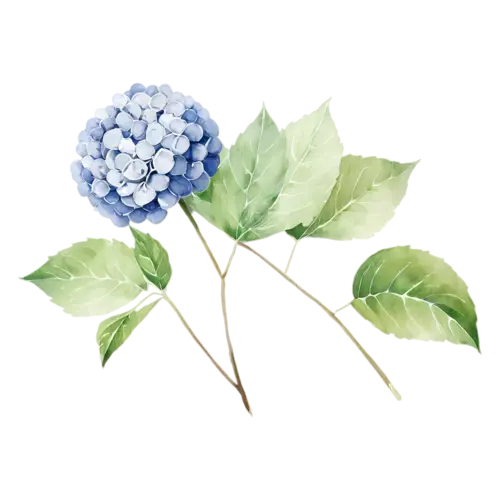
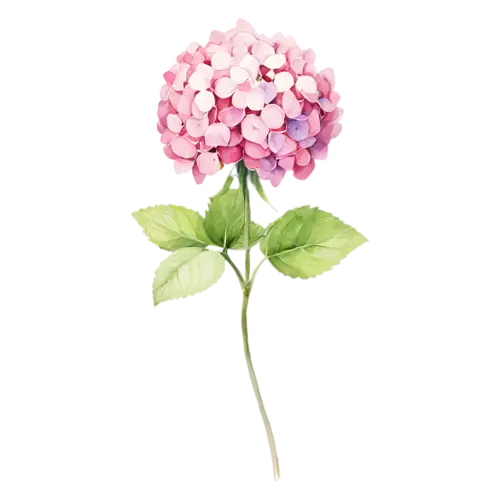
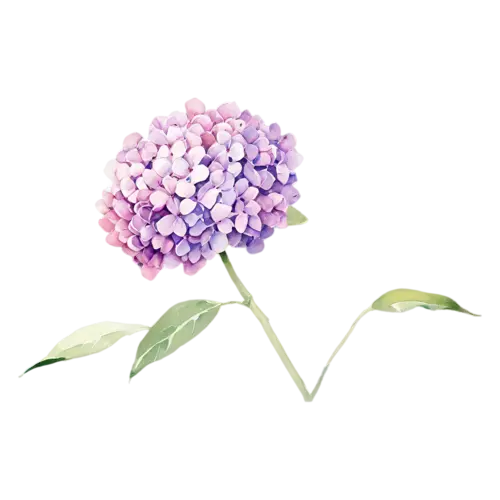
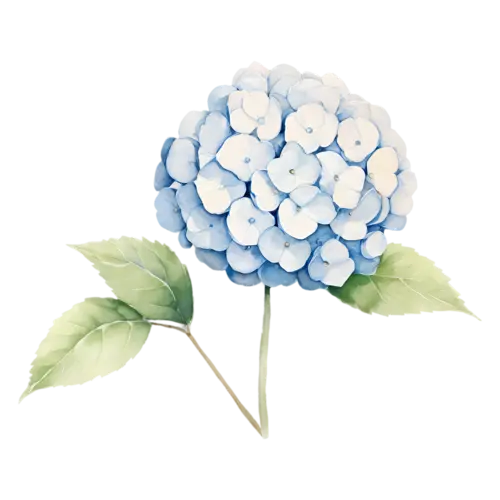
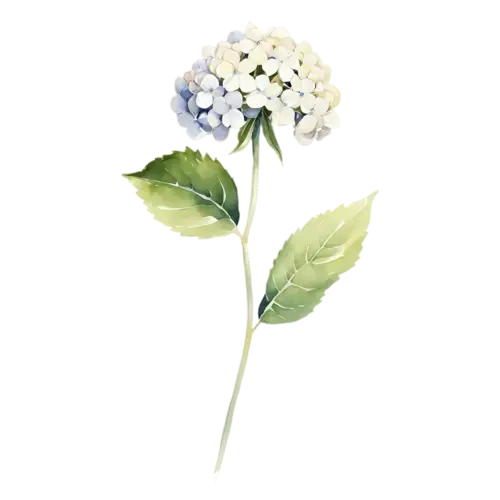
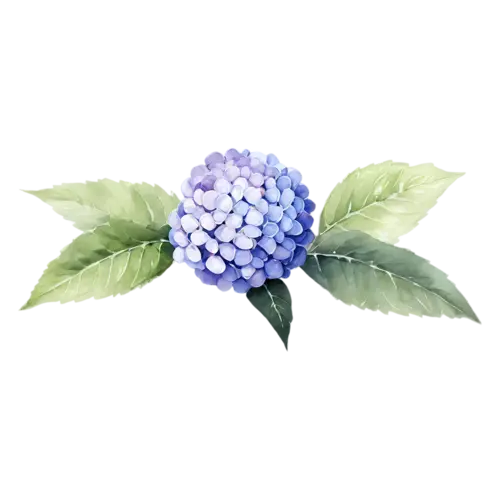
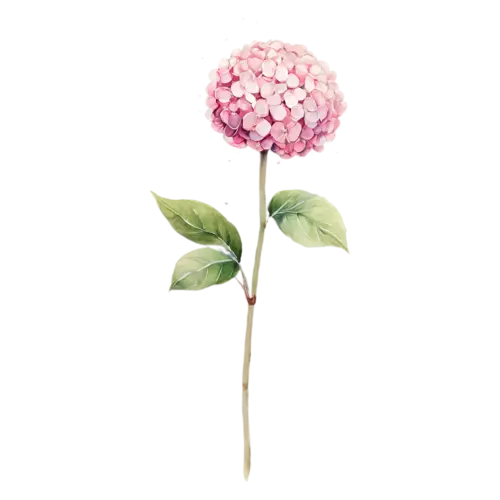
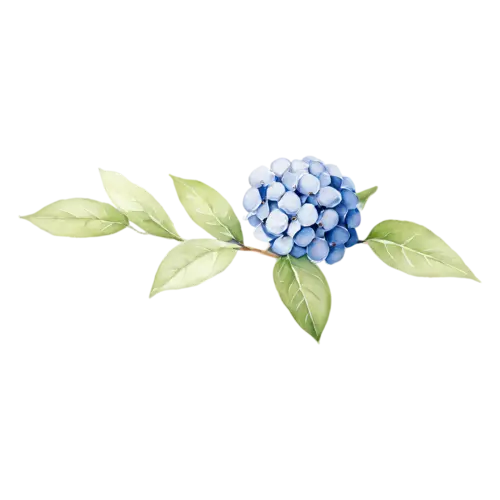
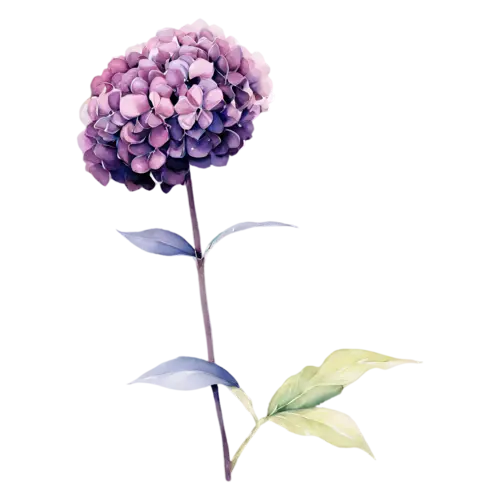
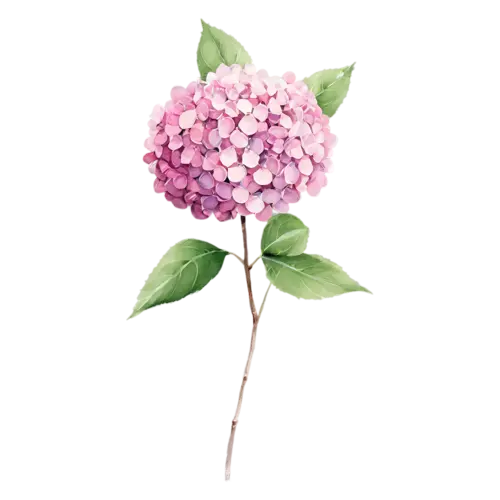
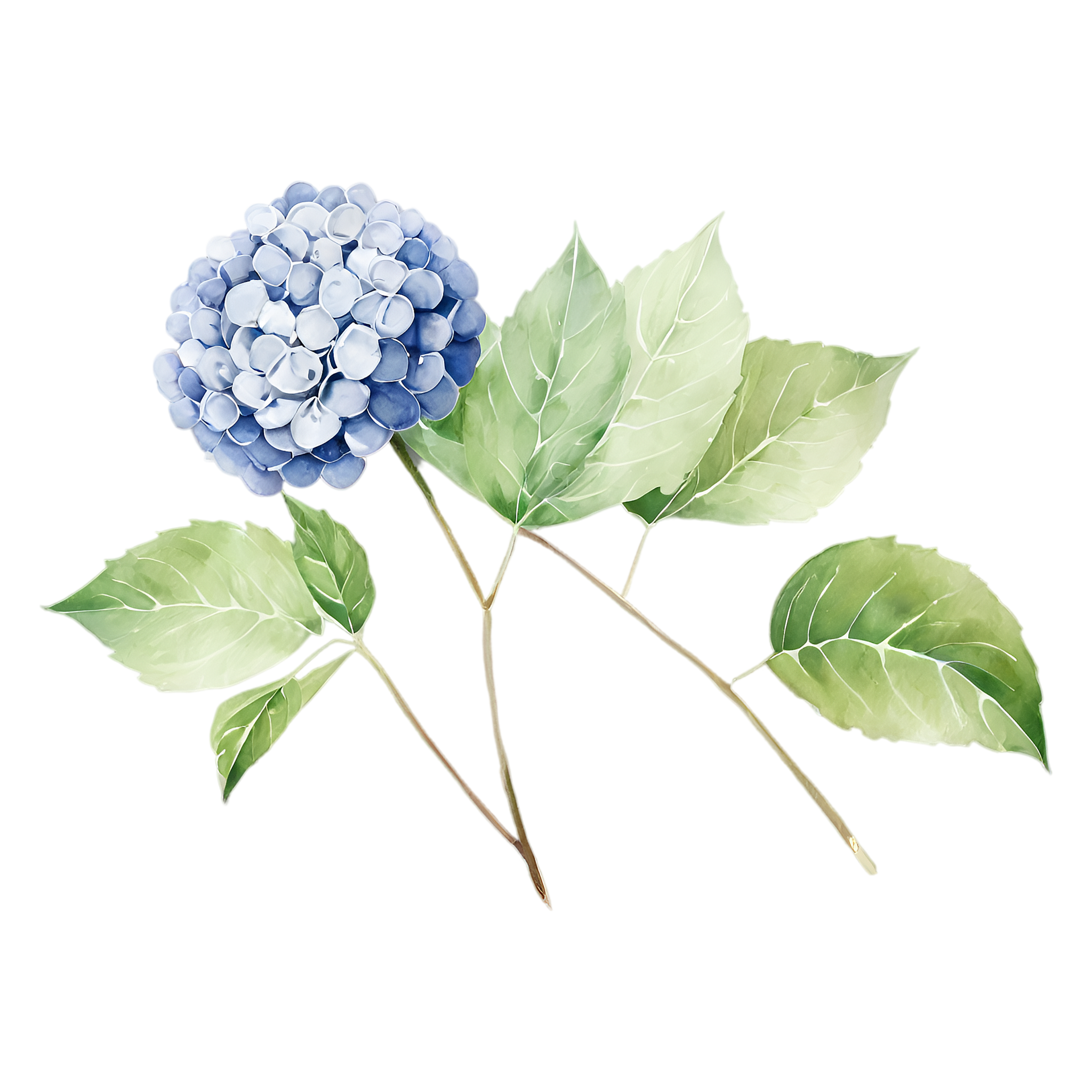
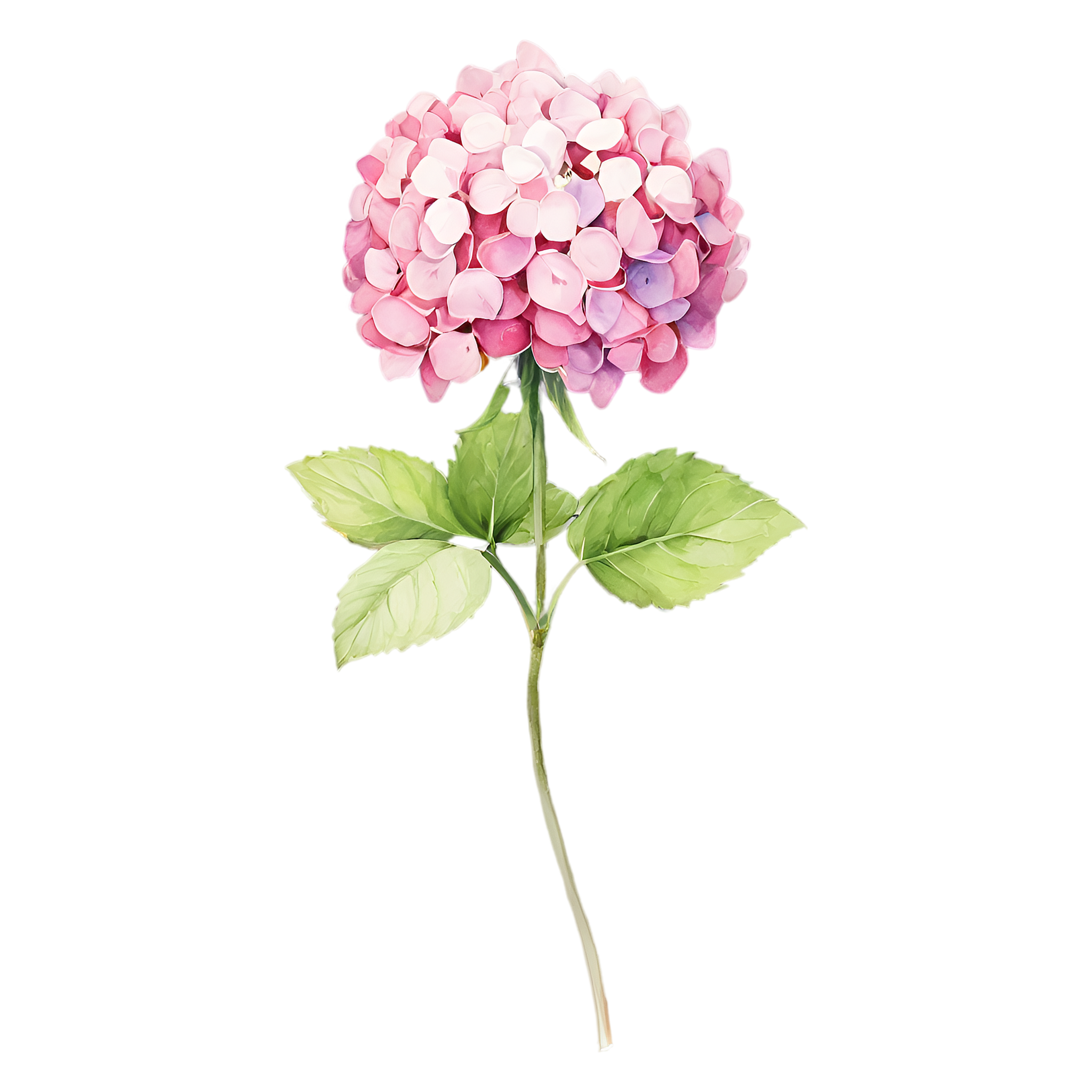
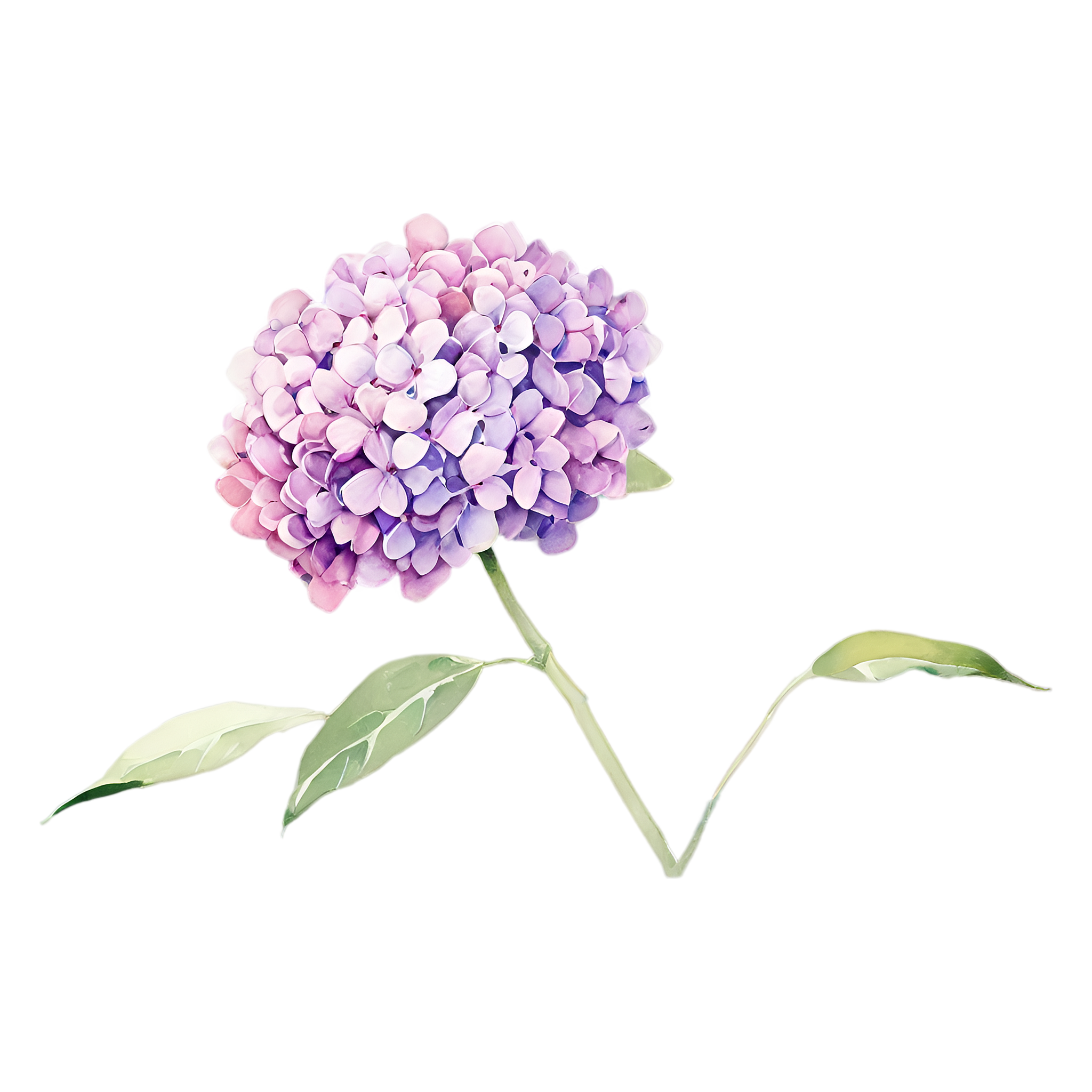
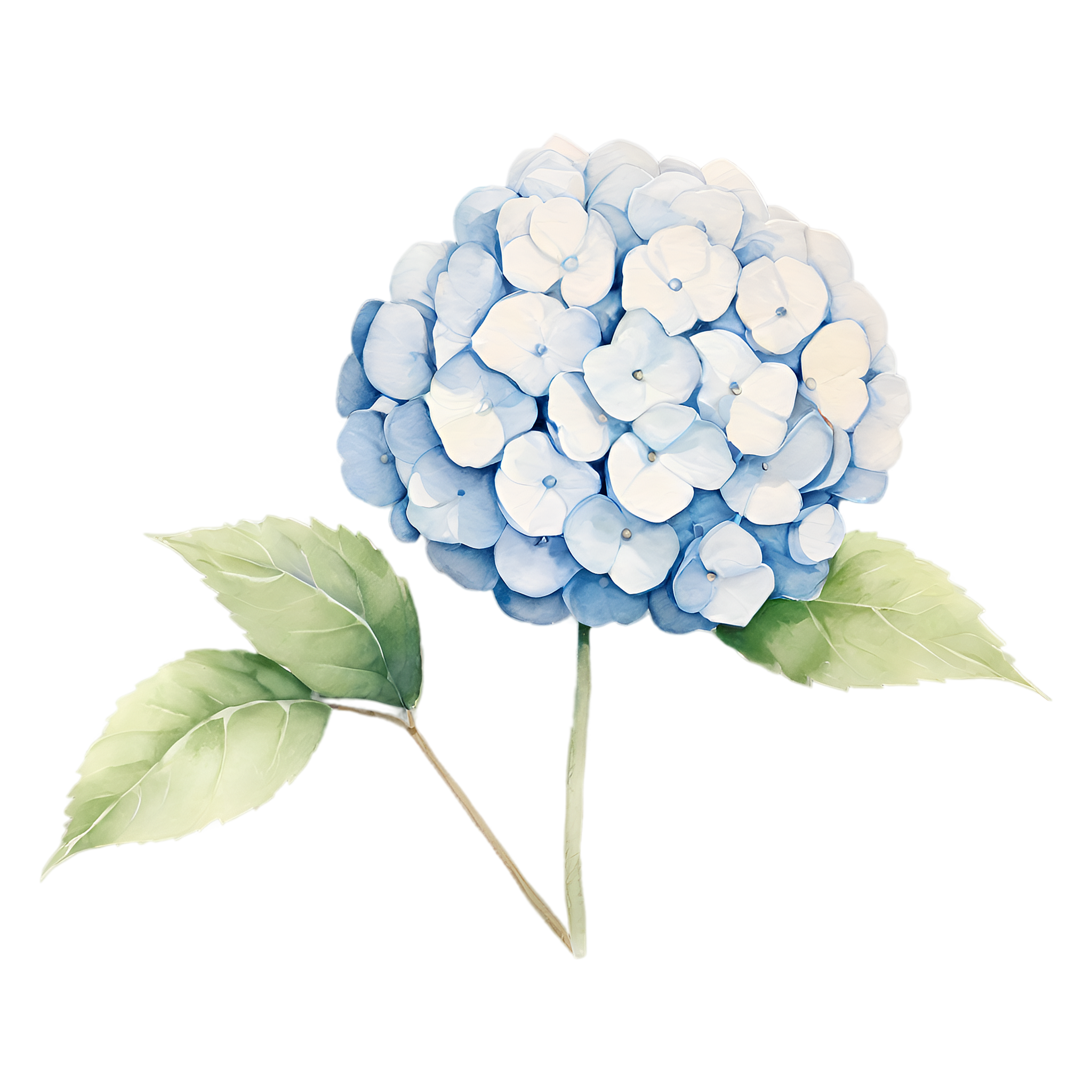
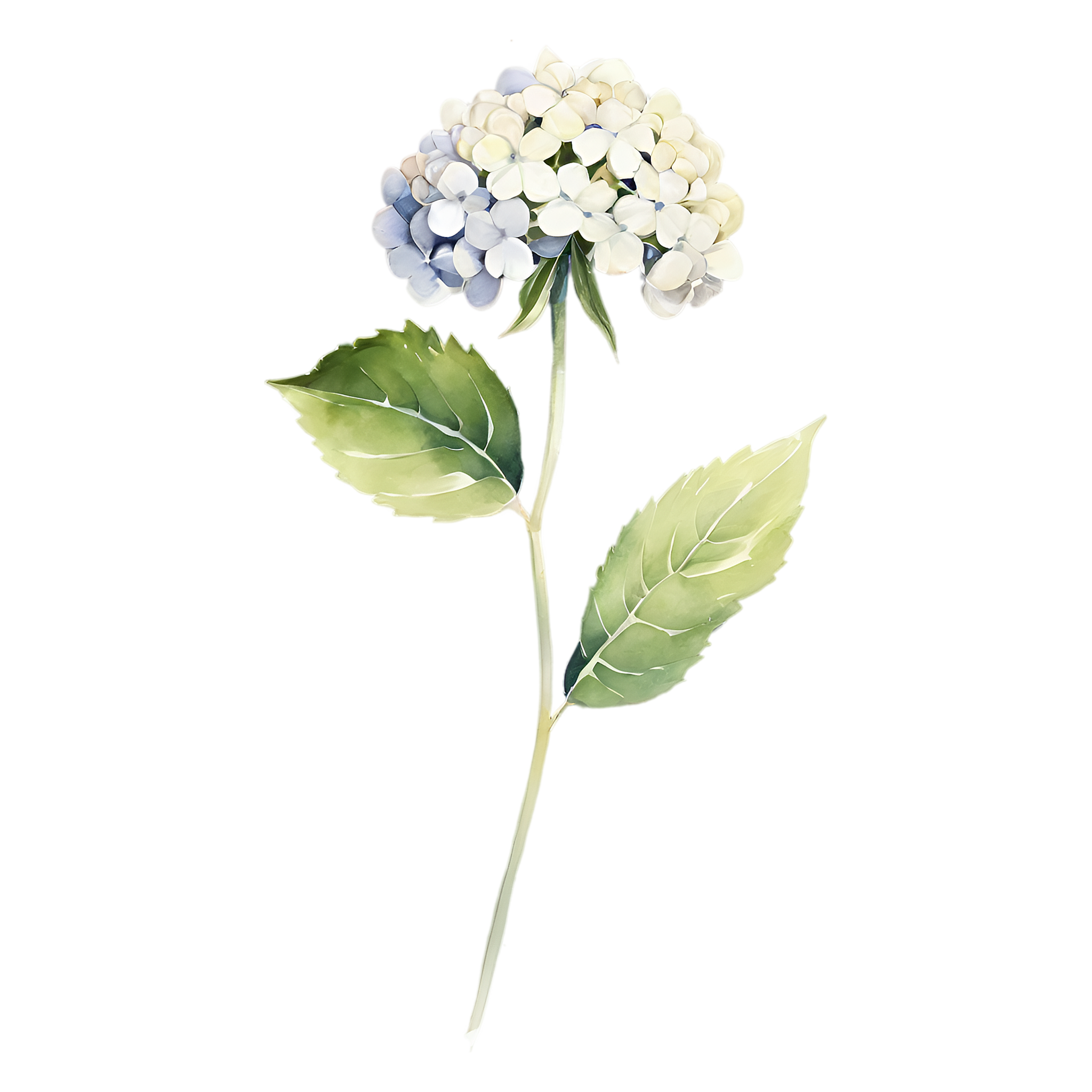
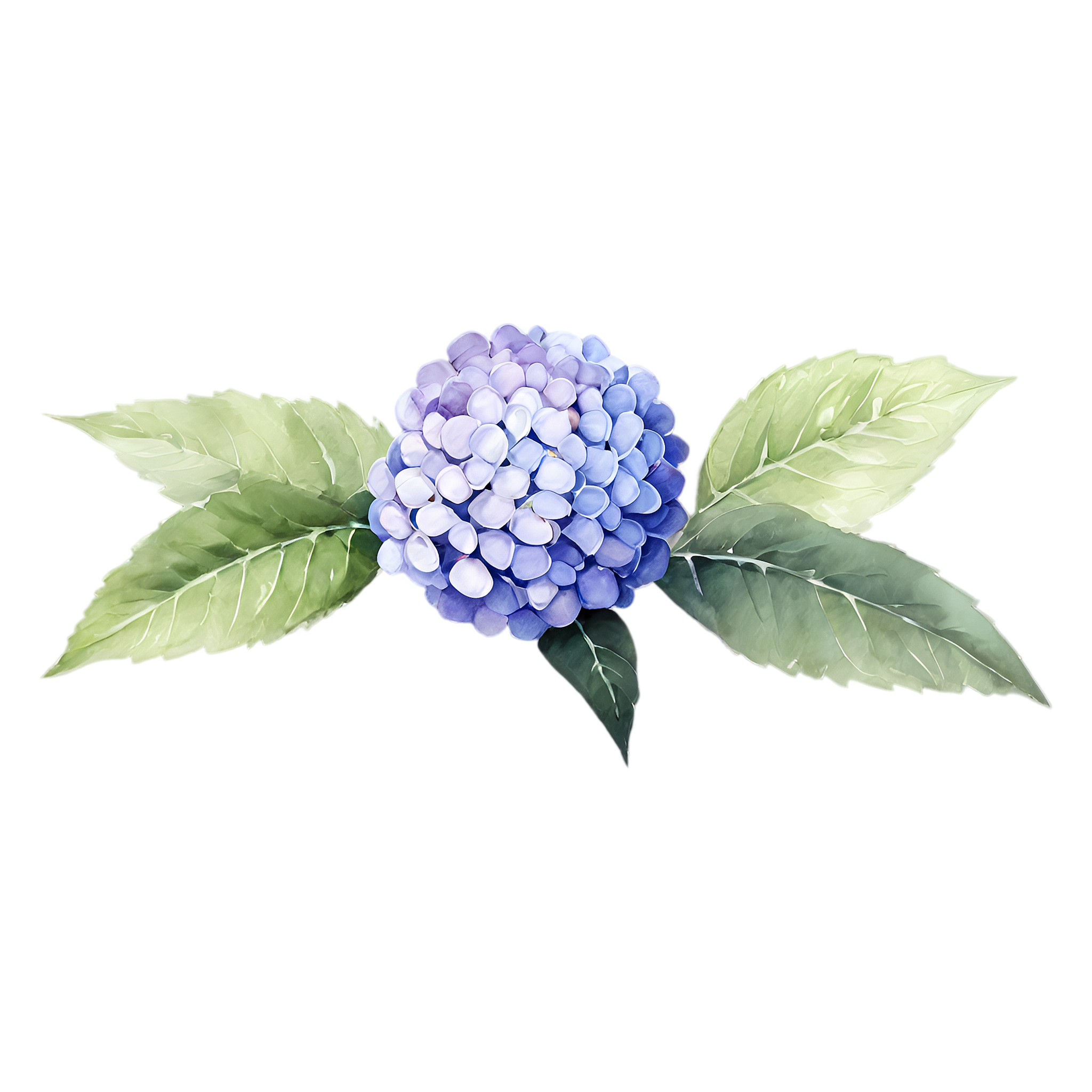
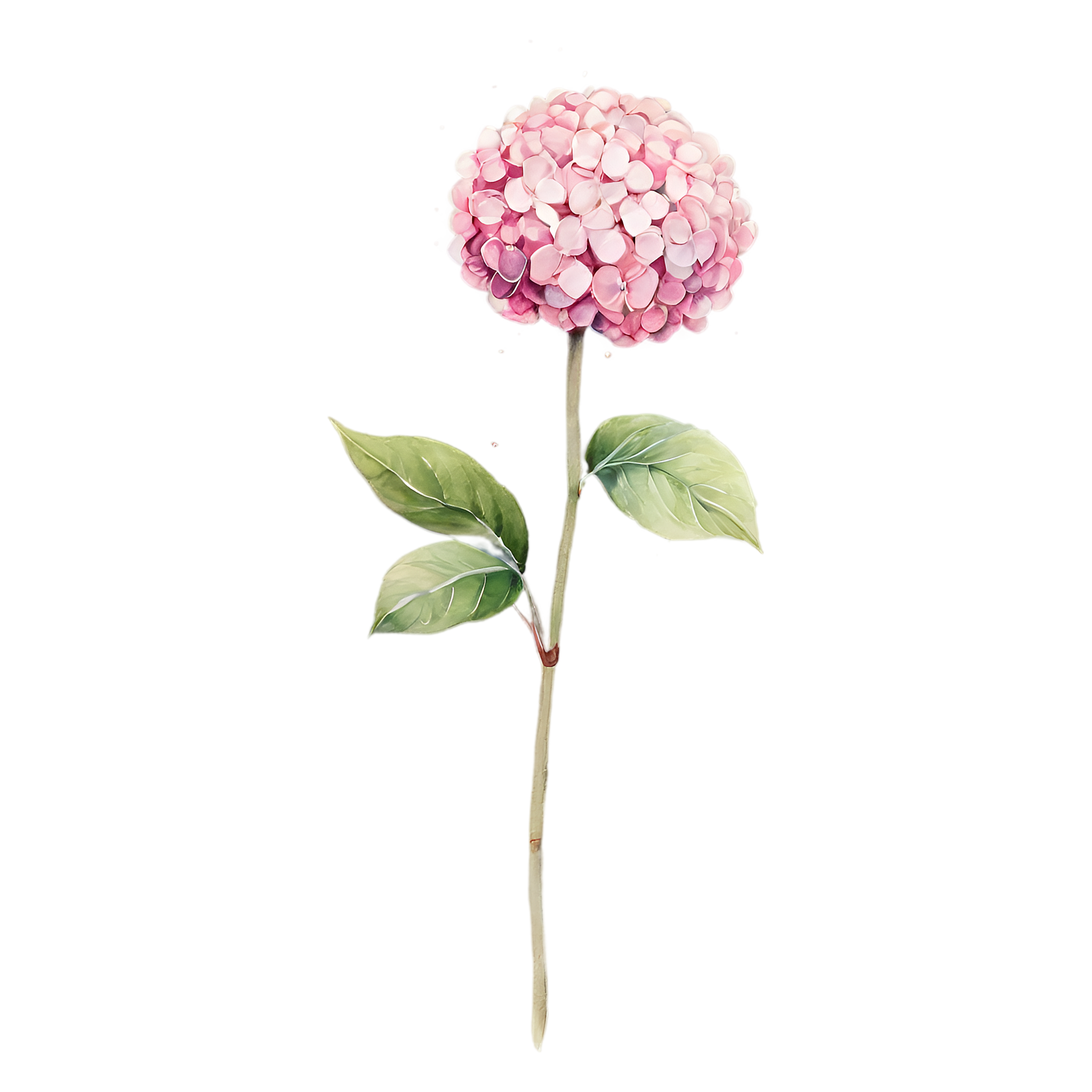
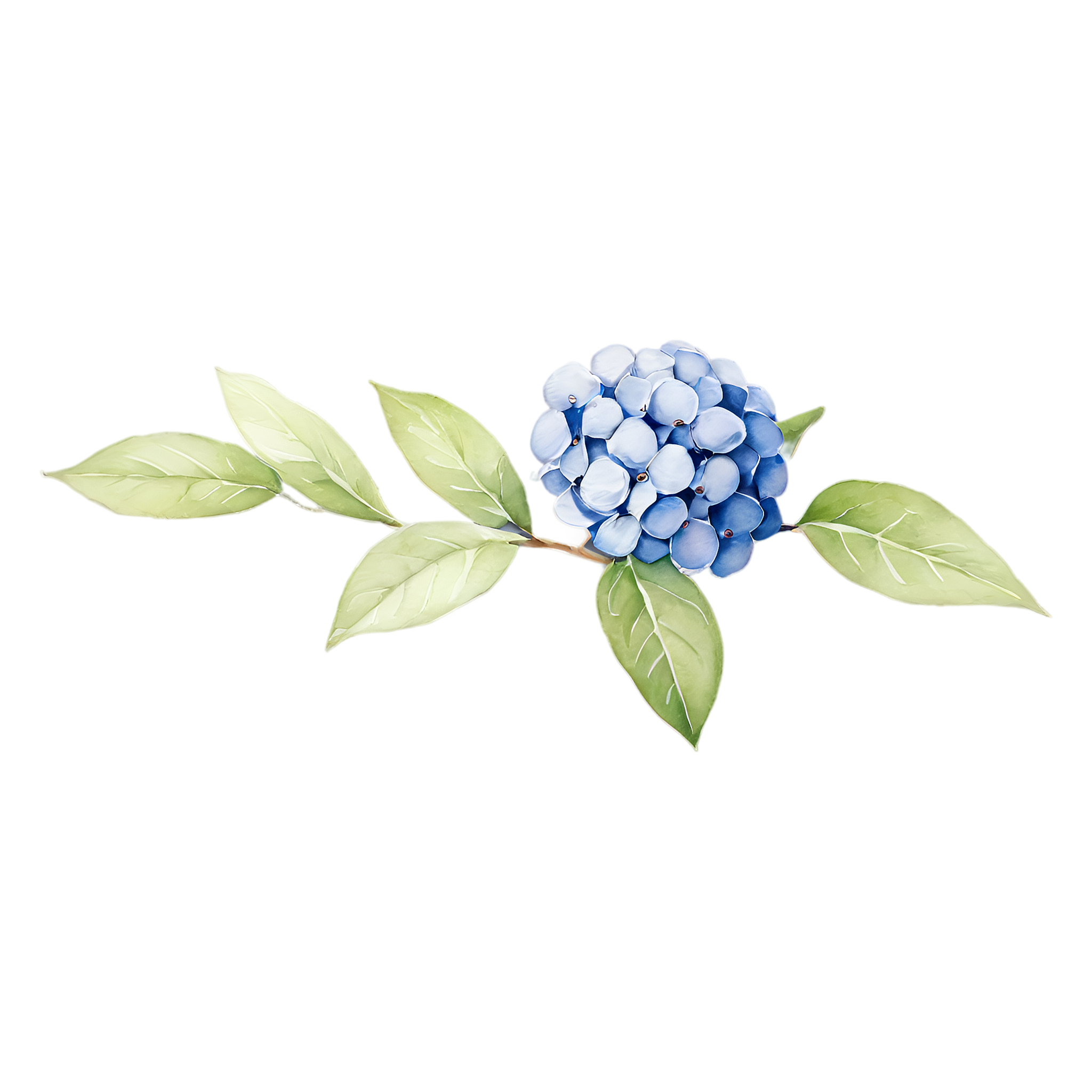
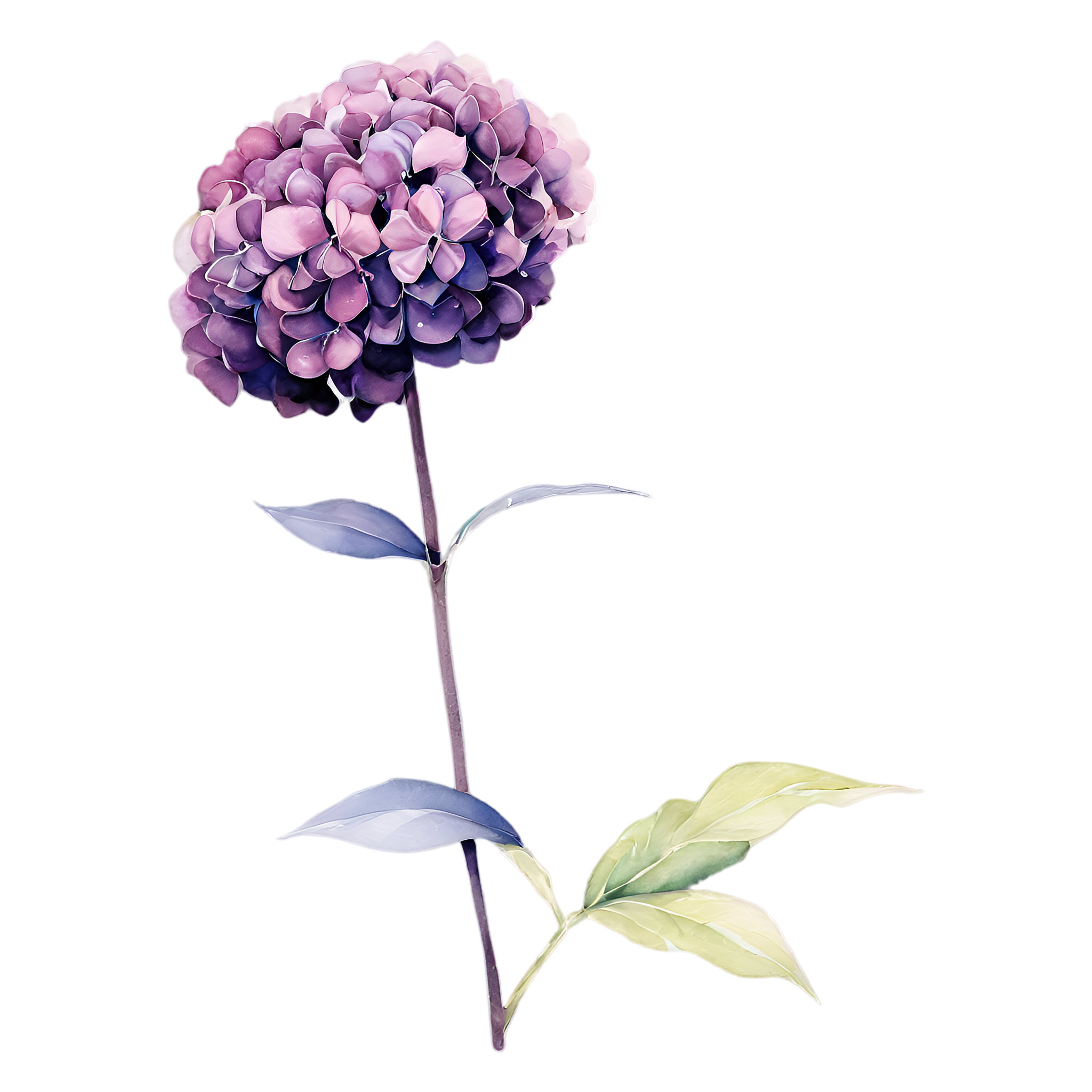
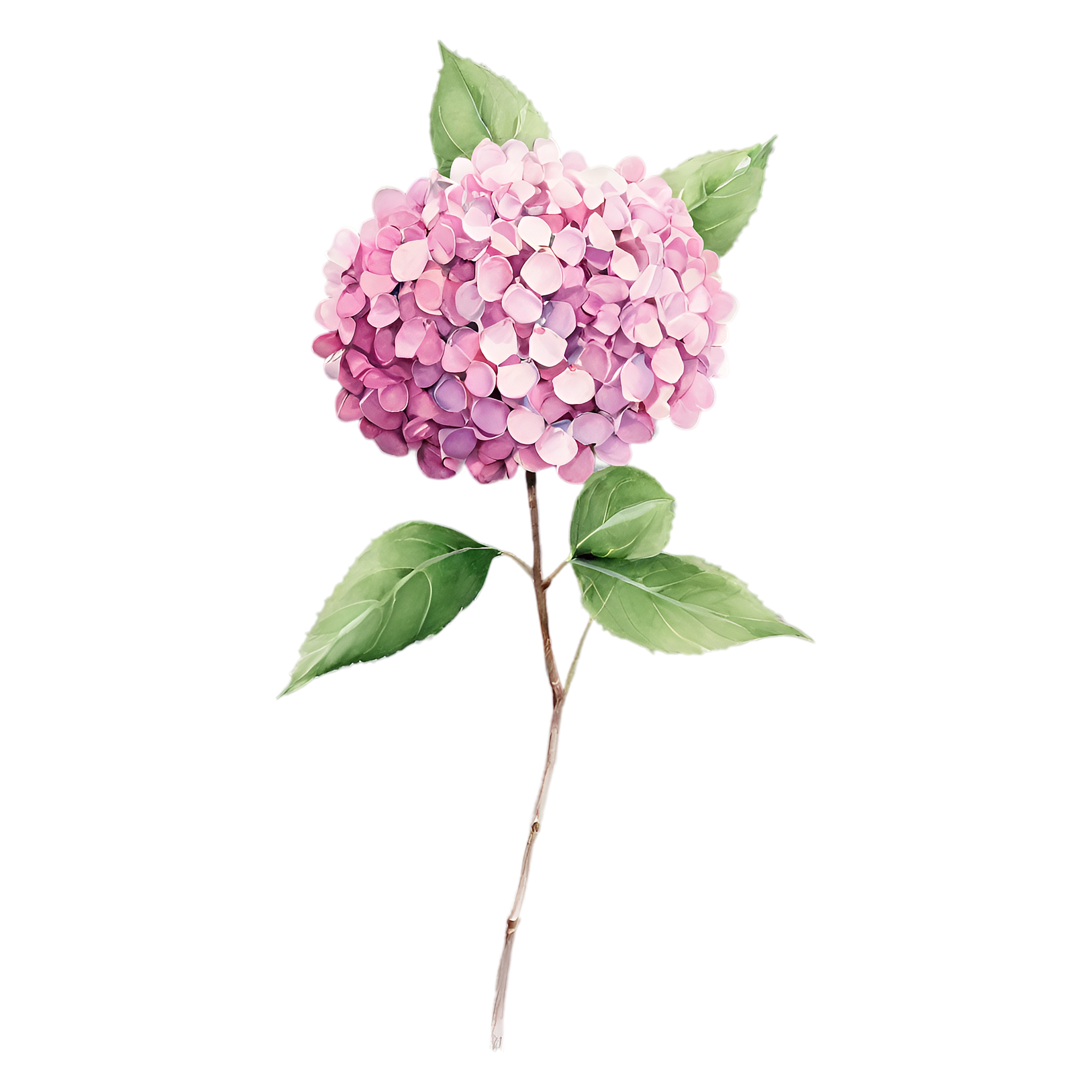
This set shows the color spread the soil effect makes possible. The blues include a rounded blue mophead with green leaves, a pale blue bloom with a few leaves and a periwinkle-blue mophead with broad leaves. The pinks include a soft pink bloom in full flower, a blush-pink rounded bloom and a mauve-pink bloom with green foliage. On the purple side there is a lavender-purple cluster of florets and a deep purple cluster opening from the center, plus a two-tone blue and violet cluster, the in-between color you see in real gardens. A white bloom viewed from the side rounds out the set and suits designs that need a neutral flower.
June weddings, garden parties and coastal homes
Hydrangeas are one of the most used flowers in summer wedding stationery: invitation corners, menu cards, table numbers and "something blue" accents for the bride. The blue mopheads are also tied to coastal New England, where blue hydrangeas line cottages on Cape Cod and Nantucket, so they show up on beach-house rental signs, clambake invitations and seaside wedding suites. Other common uses: Mother's Day cards, garden club newsletters, bridal shower games and farmhouse kitchen prints. For a fuller summer bouquet, pair these with peonies and garden roses, or add lavender sprigs to a purple-themed design.
Blues, mauves and leaf greens
Two color families run through the set. The flowers cover periwinkle, pale blue, violet, lavender, blush pink and mauve, while the leaves are a fresh yellow-green and deep forest green, which you can see in the palettes on this page. Because one gallery holds both the blue and pink families, you can build a single-color design (all blues for a coastal wedding) or a mixed one that mimics a real garden. The blues sit well with navy, white and sand; the pinks with sage, cream and gold foil. This set is part of the flower clipart hub and the wedding hub. Every image lists its main HEX colors with the nearest DMC floss and Copic marker.
Tip: cluster the blooms like the shrub
Hydrangea blooms read best in groups, the way they grow. Overlap three blooms of related colors, the largest in front, and let the leaves fill the gaps; the transparent backgrounds let them layer without white boxes. Every file is a 2048 x 2048 px transparent PNG, about 6.8 inches square at 300 DPI, so a three-bloom cluster can run across the top of a 5 x 7 invitation at full quality. For embroidery, don't try to stitch every floret: use the DMC matches on this page for two or three shades of the flower color and stitch French knots or small lazy daisies in clusters, darker toward the bottom of the bloom.