Bottlenose dolphins: small toothed whales
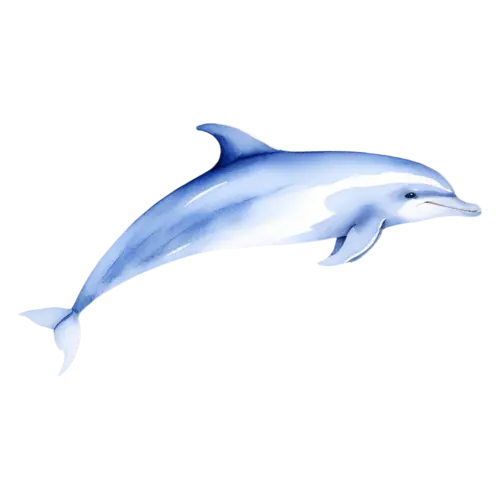
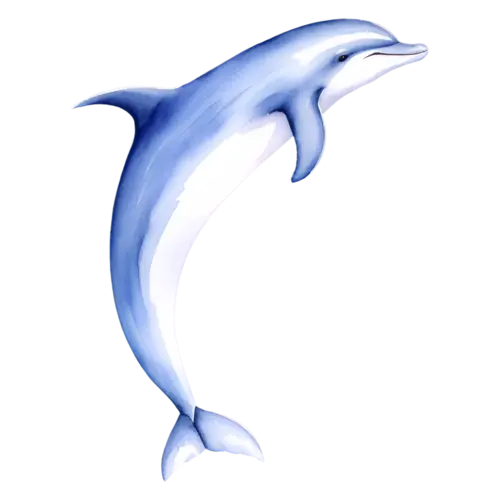
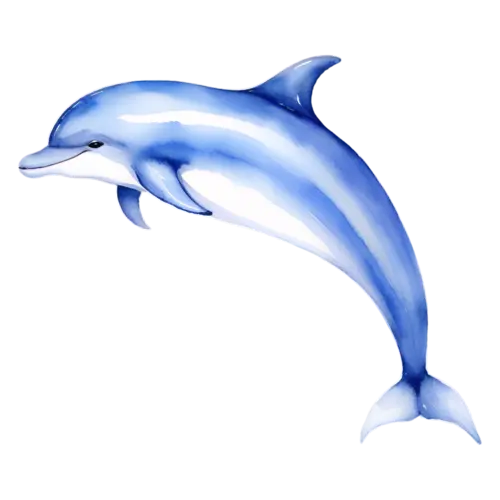
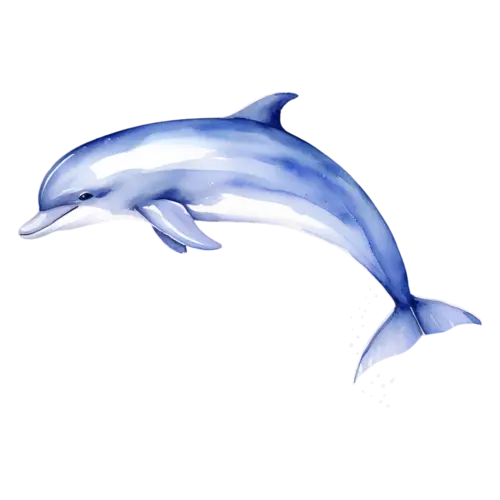
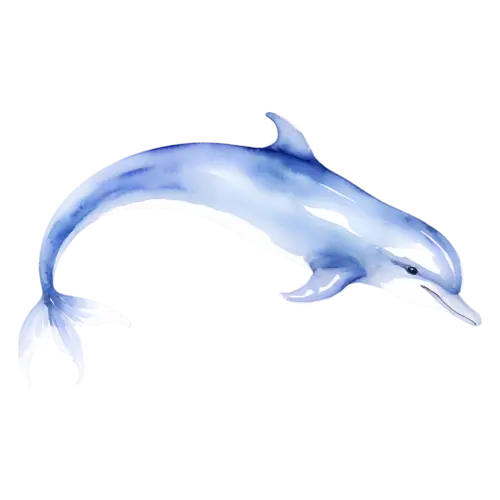
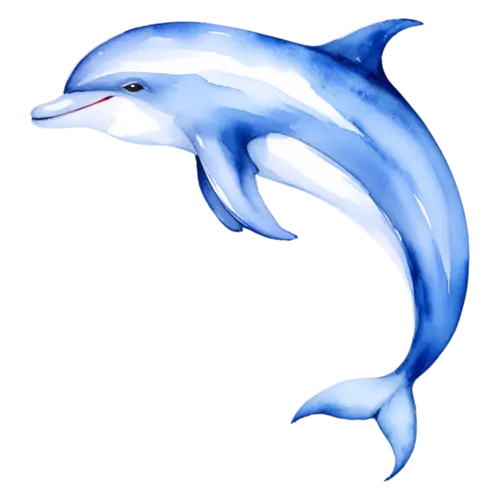
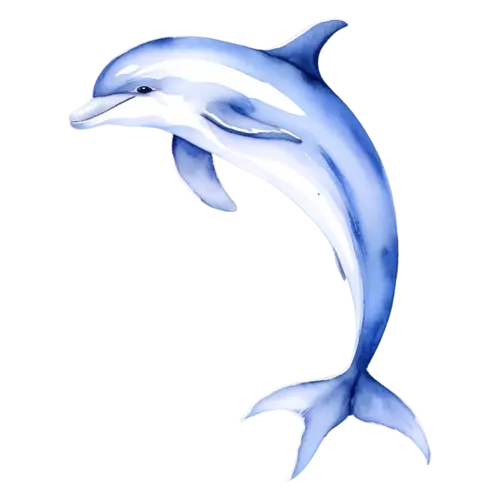
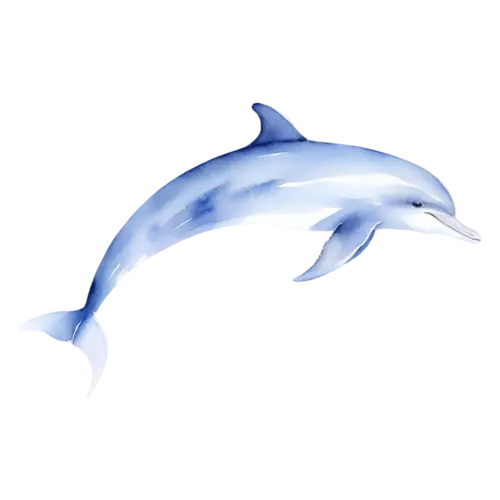
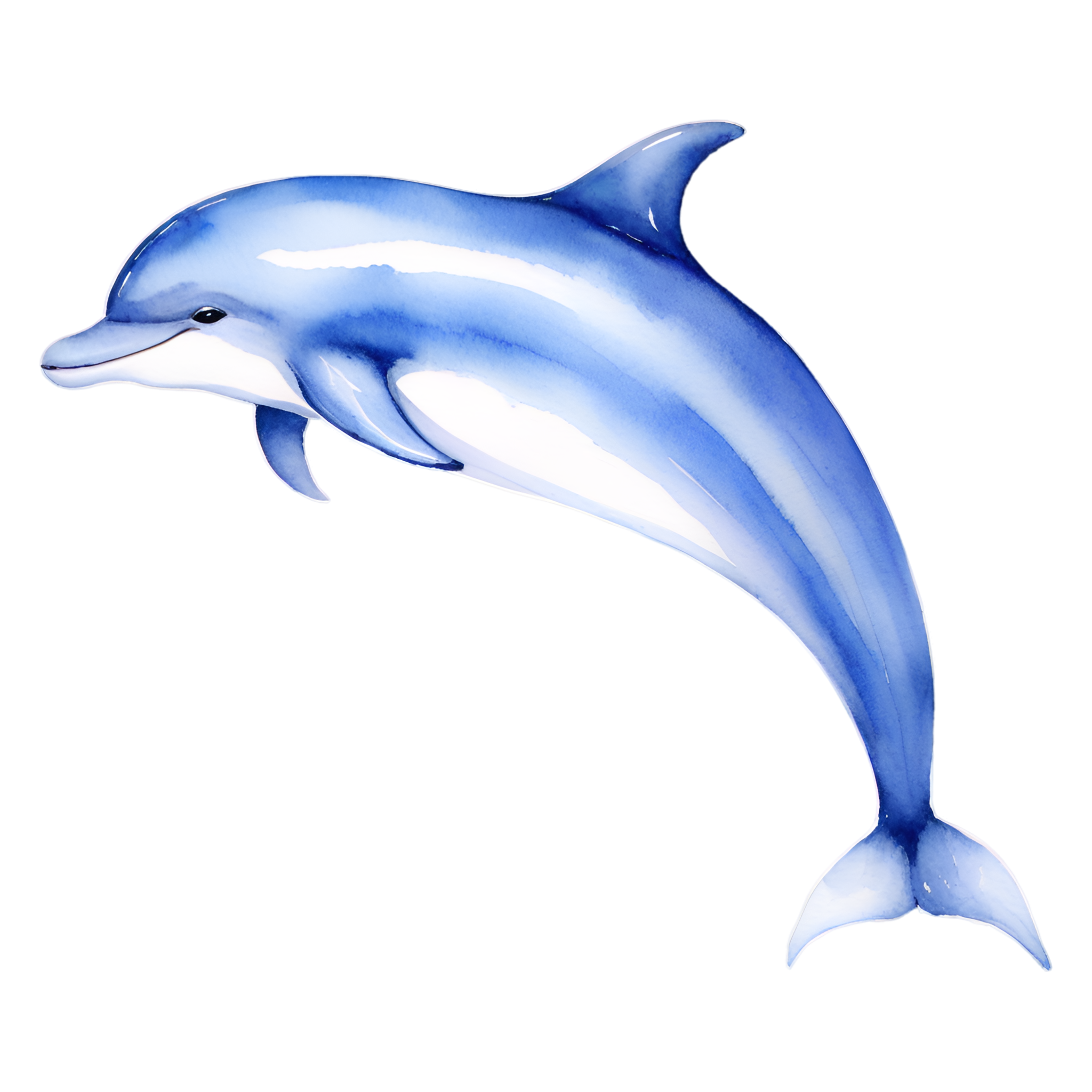
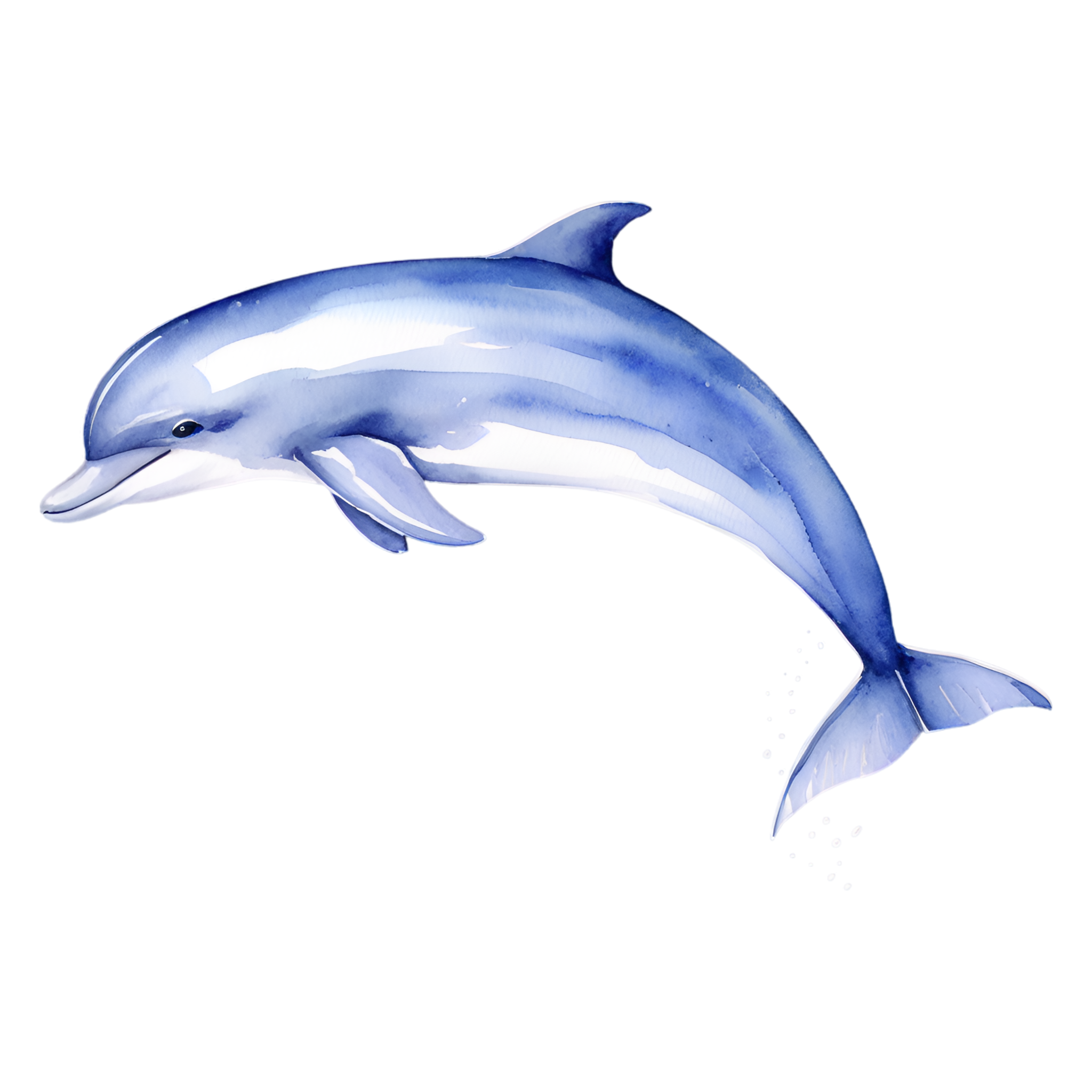
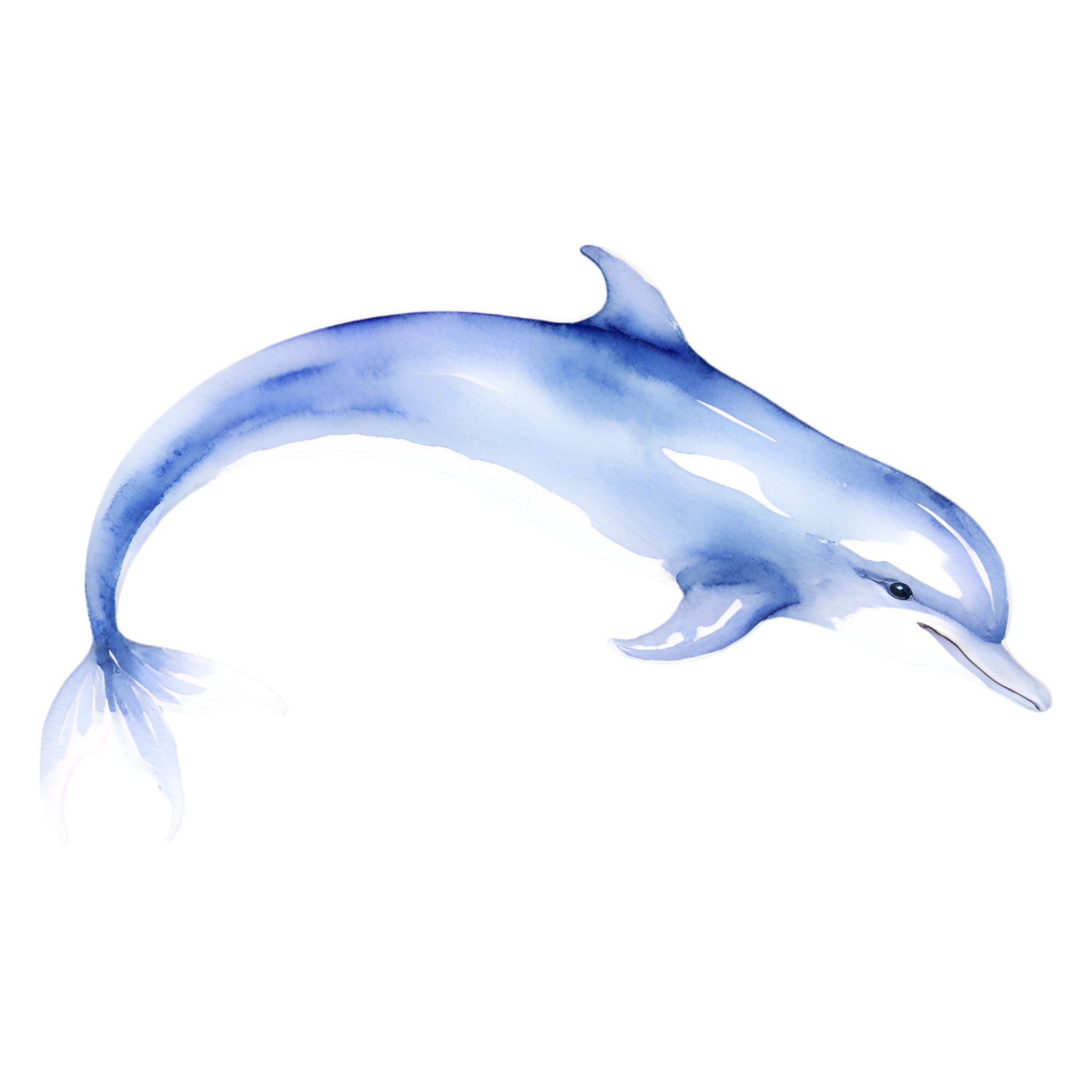
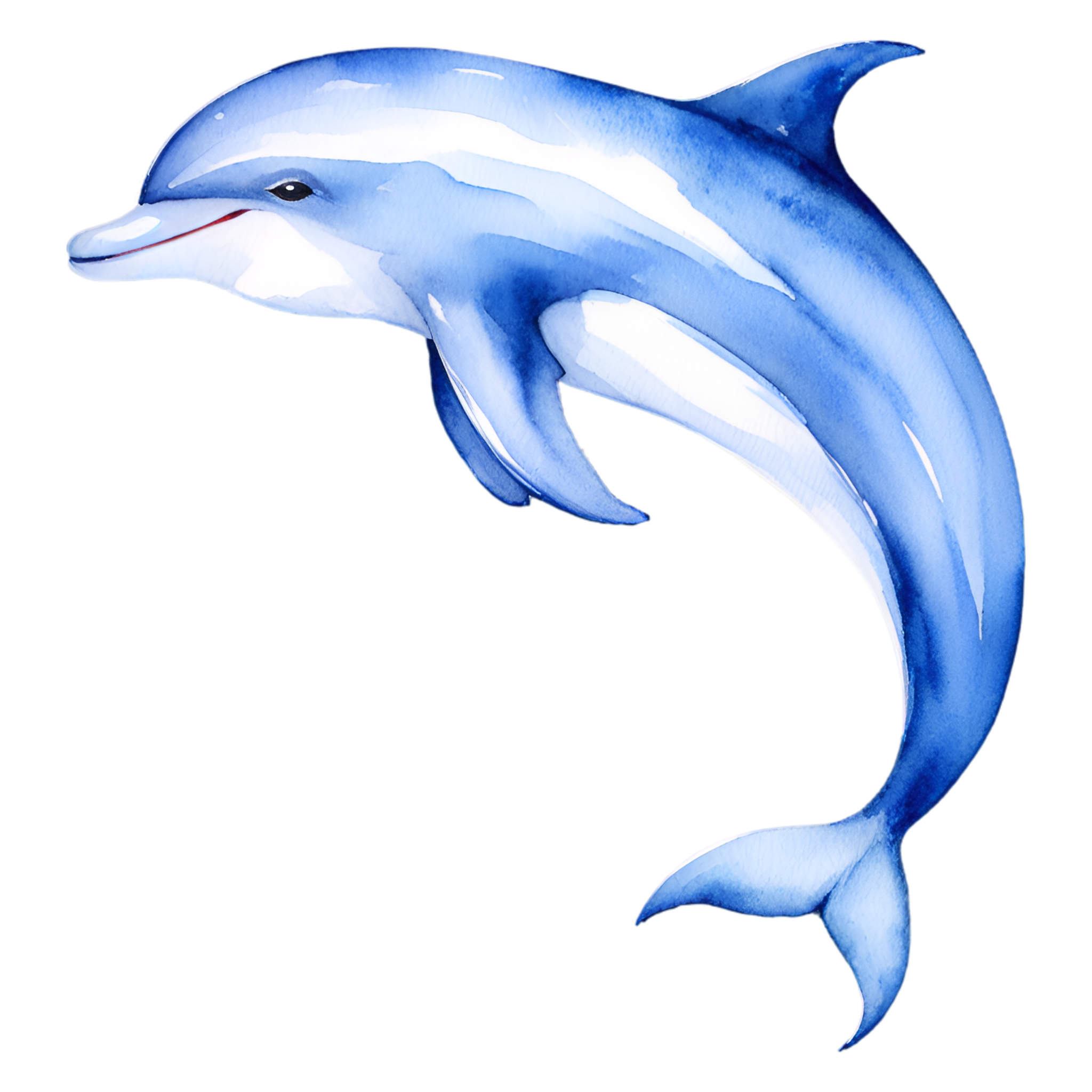
The dolphins in this set are modeled on the bottlenose dolphin, the species most people picture: a short, rounded beak, a curved dorsal fin and a gray back that fades to a pale belly. That two-tone coloring is called countershading, and it makes the animal harder to see from above and below. Dolphins are mammals and members of the toothed whale group. They breathe air through a single blowhole on top of the head, nurse their calves and live in social groups called pods. They find food partly by echolocation, sending out clicks and listening for the echoes. Unlike a fish, a dolphin swims by moving its tail flukes up and down. Bottlenose dolphins live in warm and temperate seas around the world, including along both U.S. coasts and the Gulf of Mexico.
Leaps, dives and a friendly face
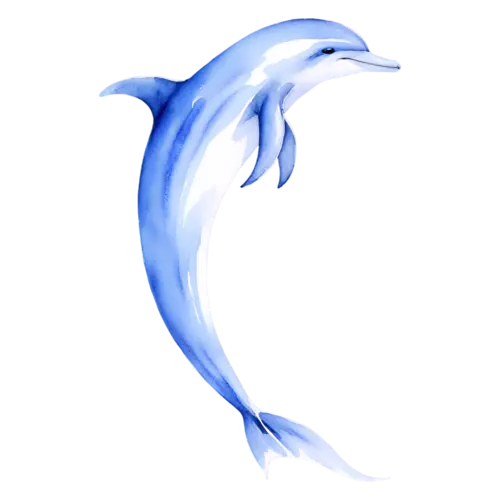
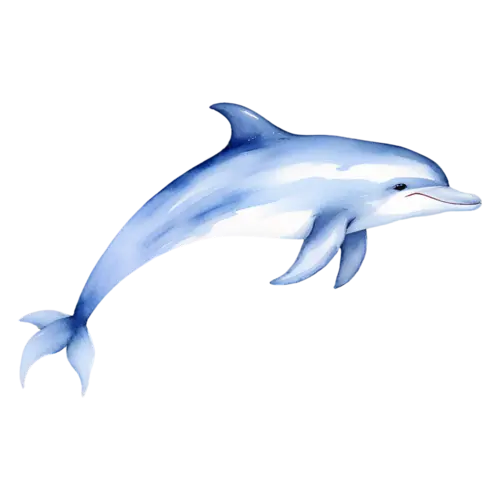
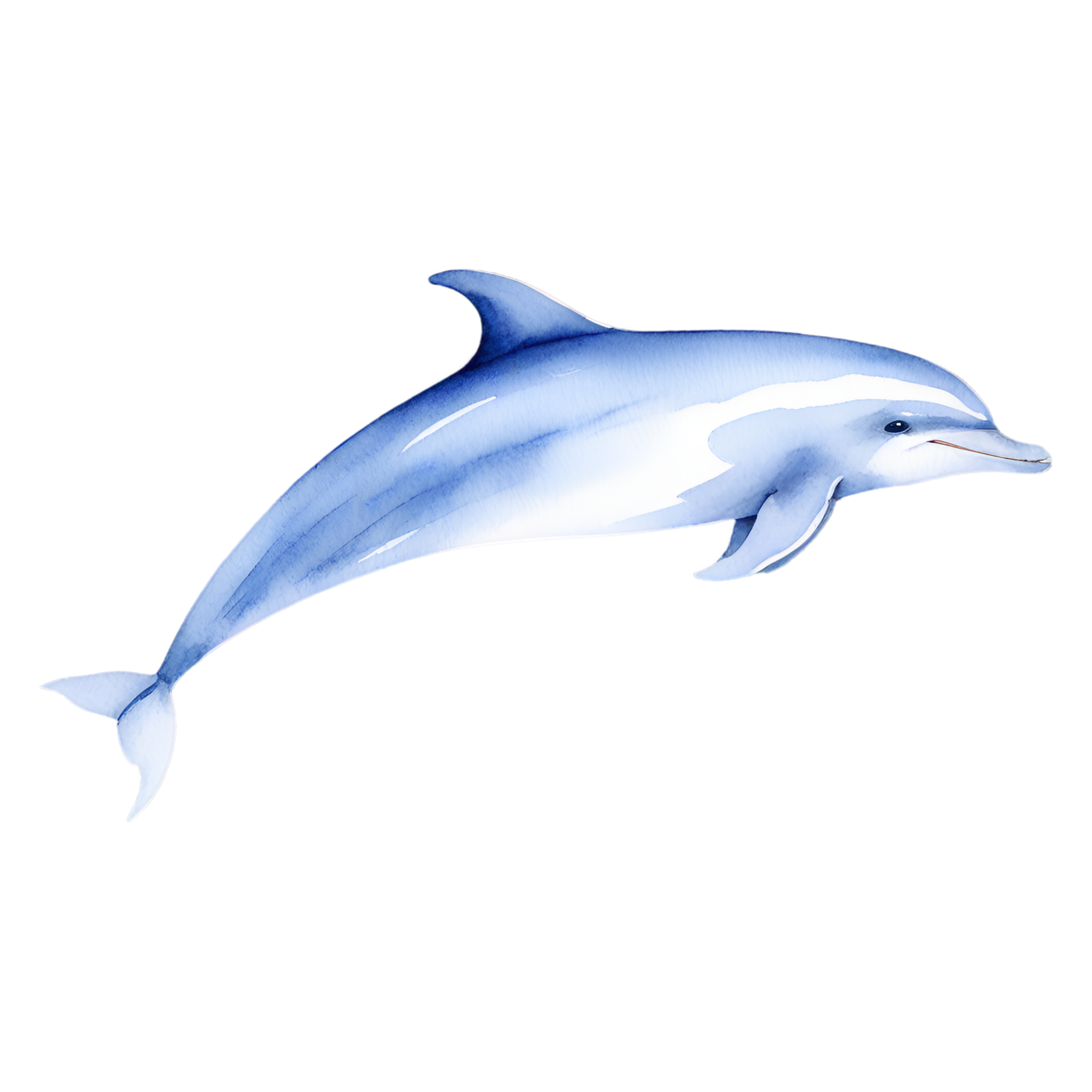
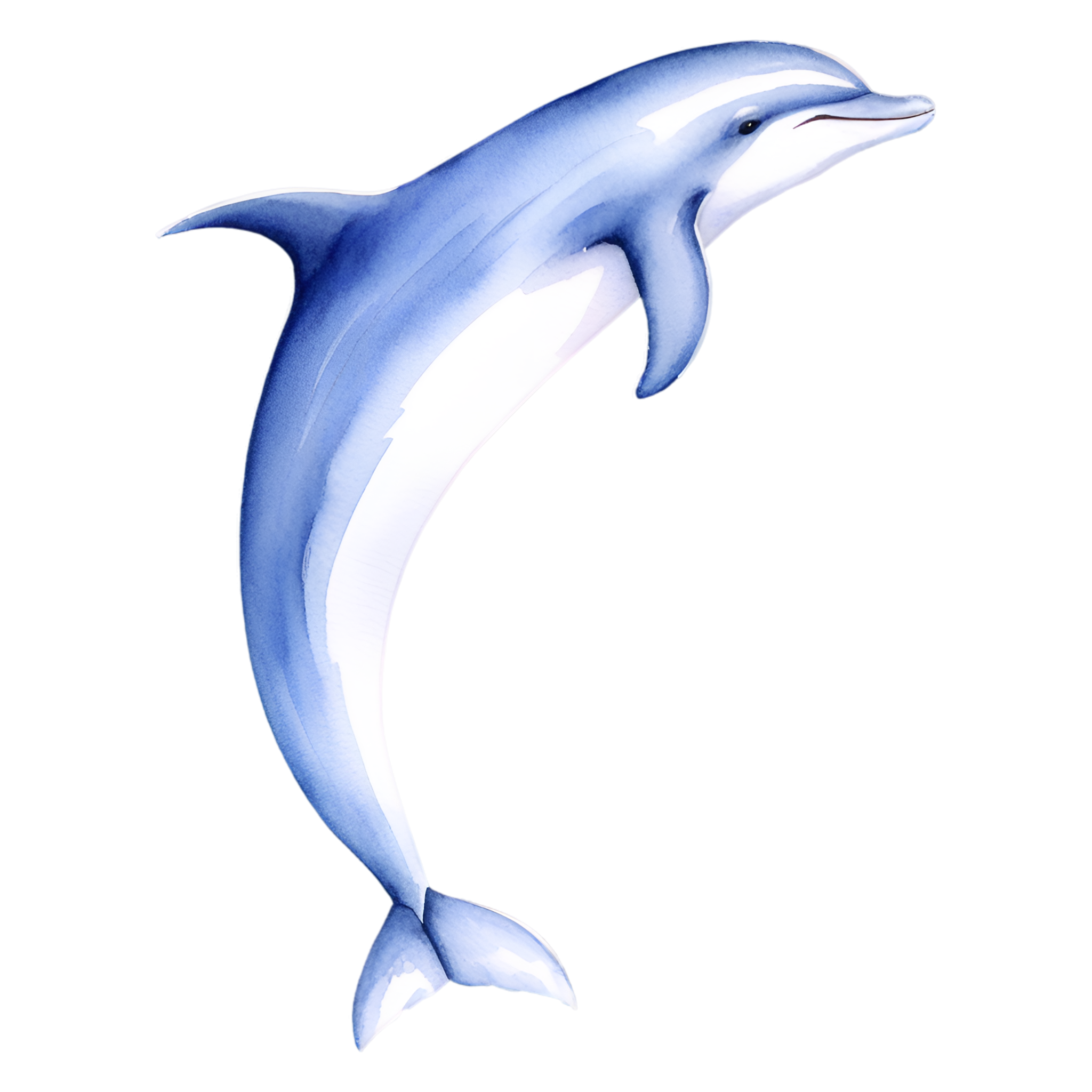
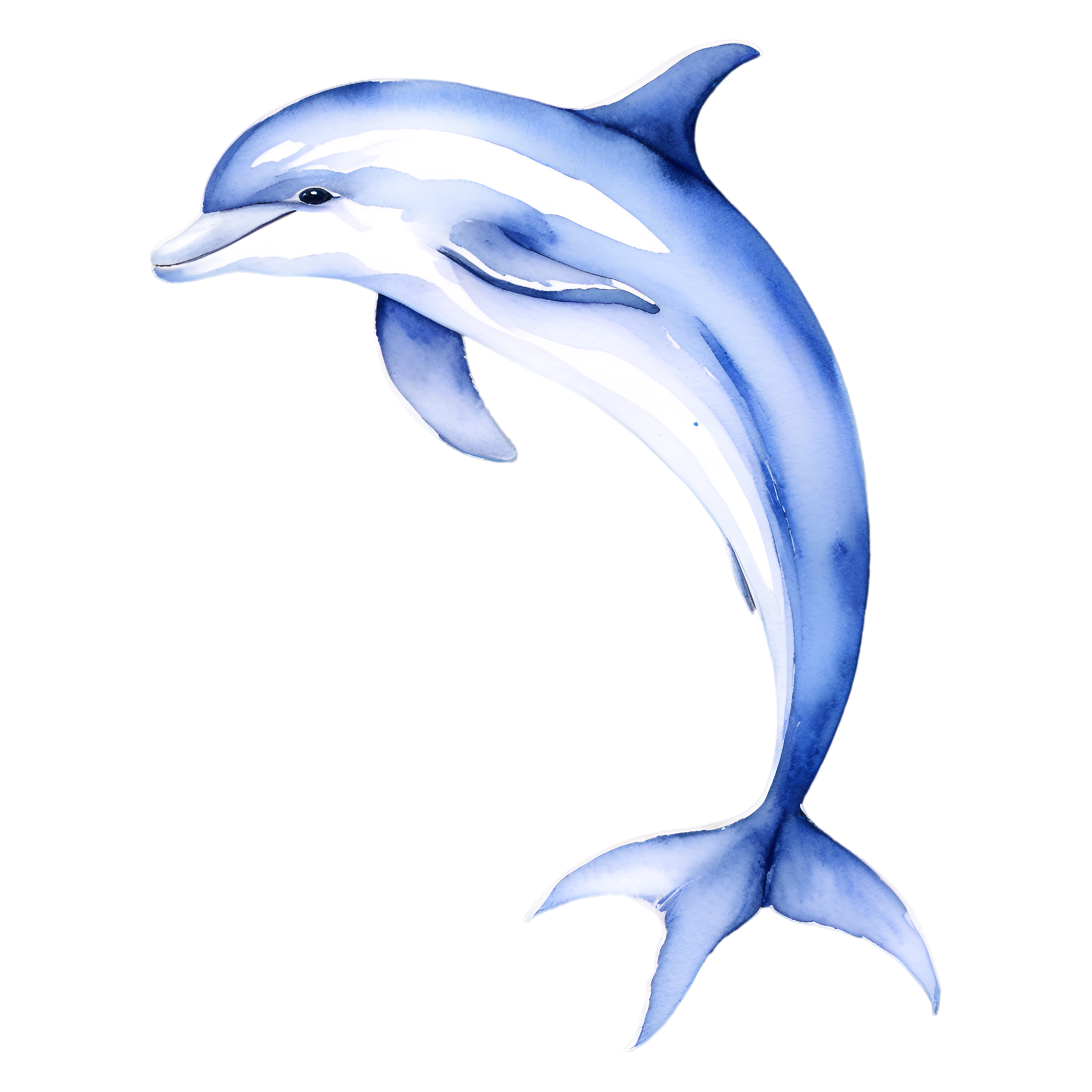
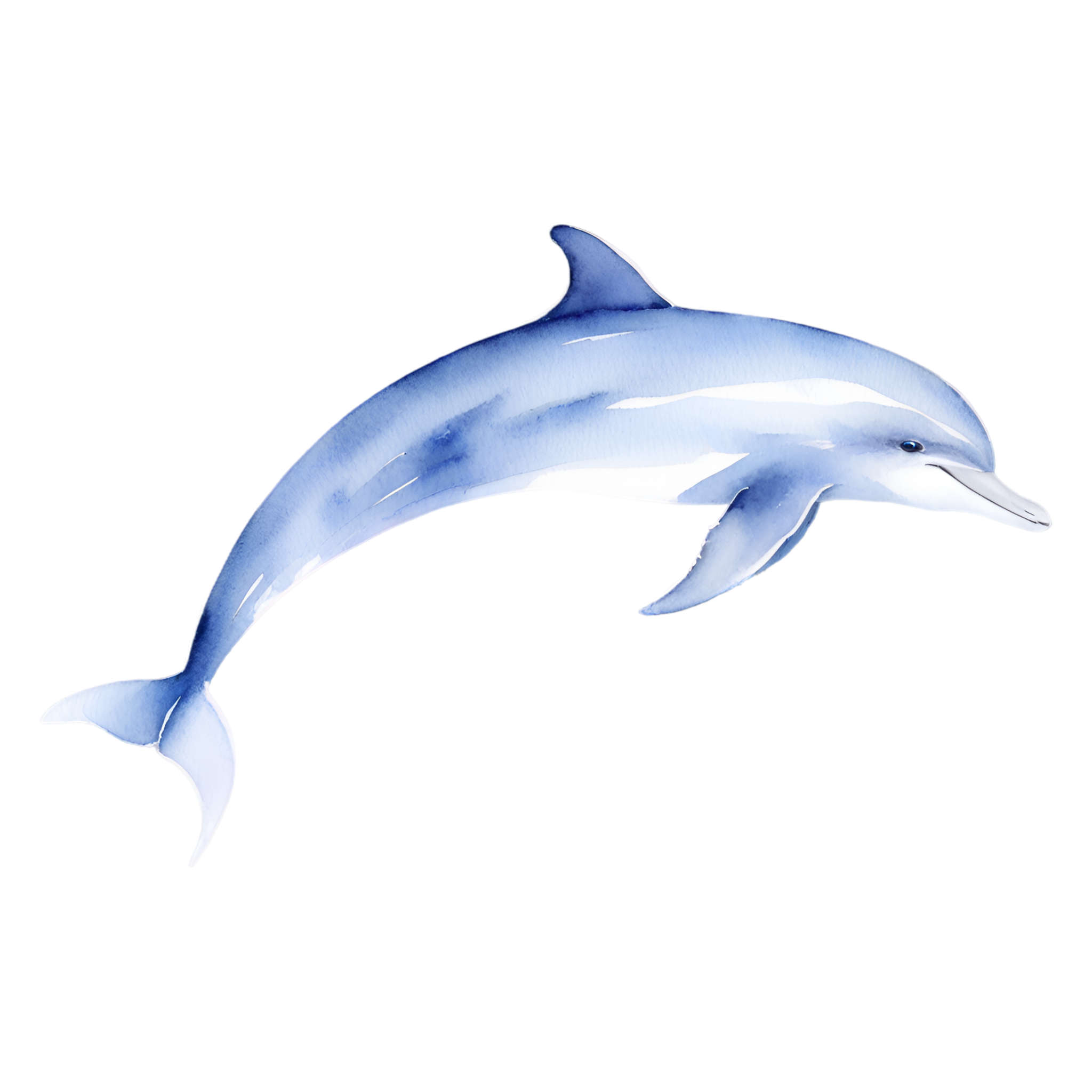
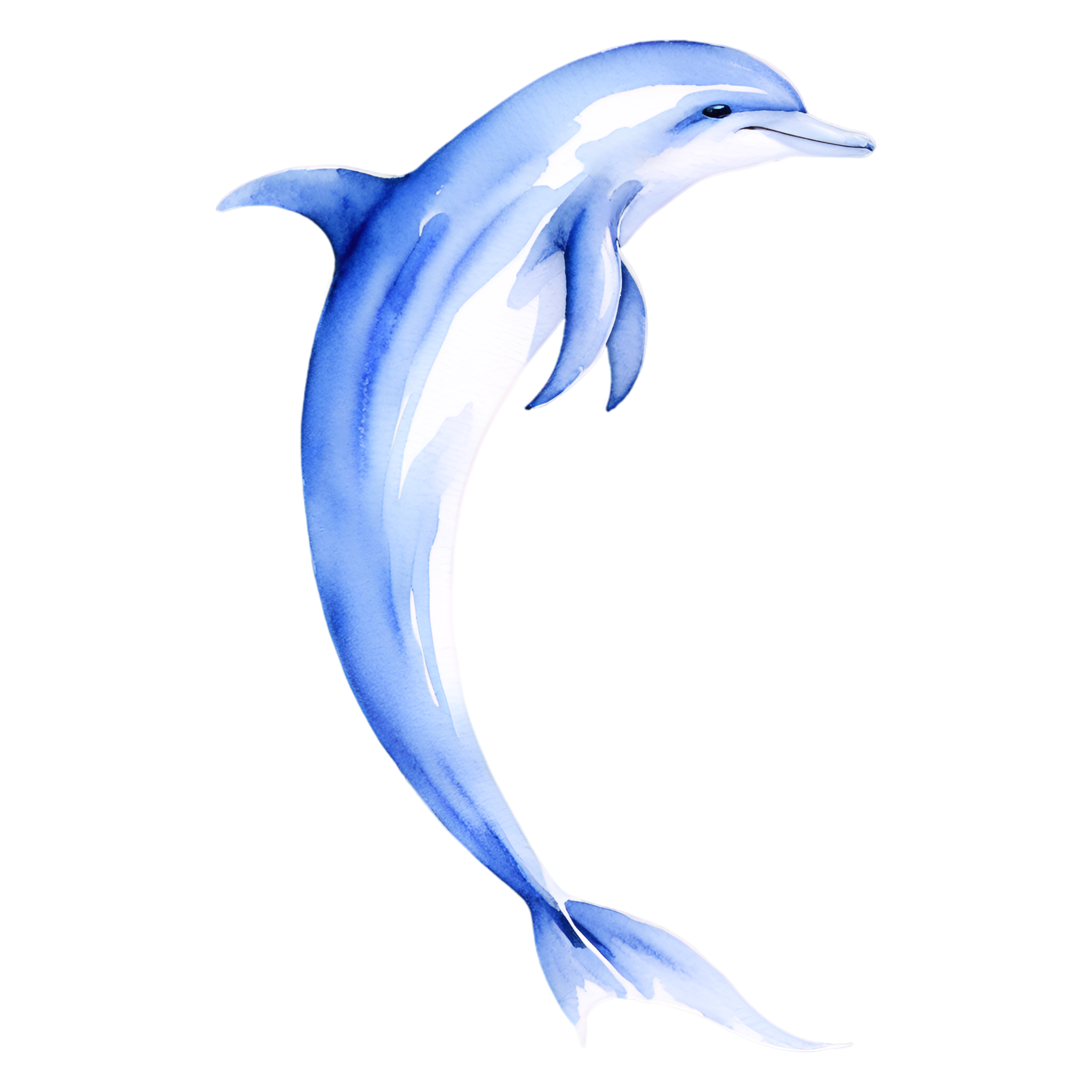
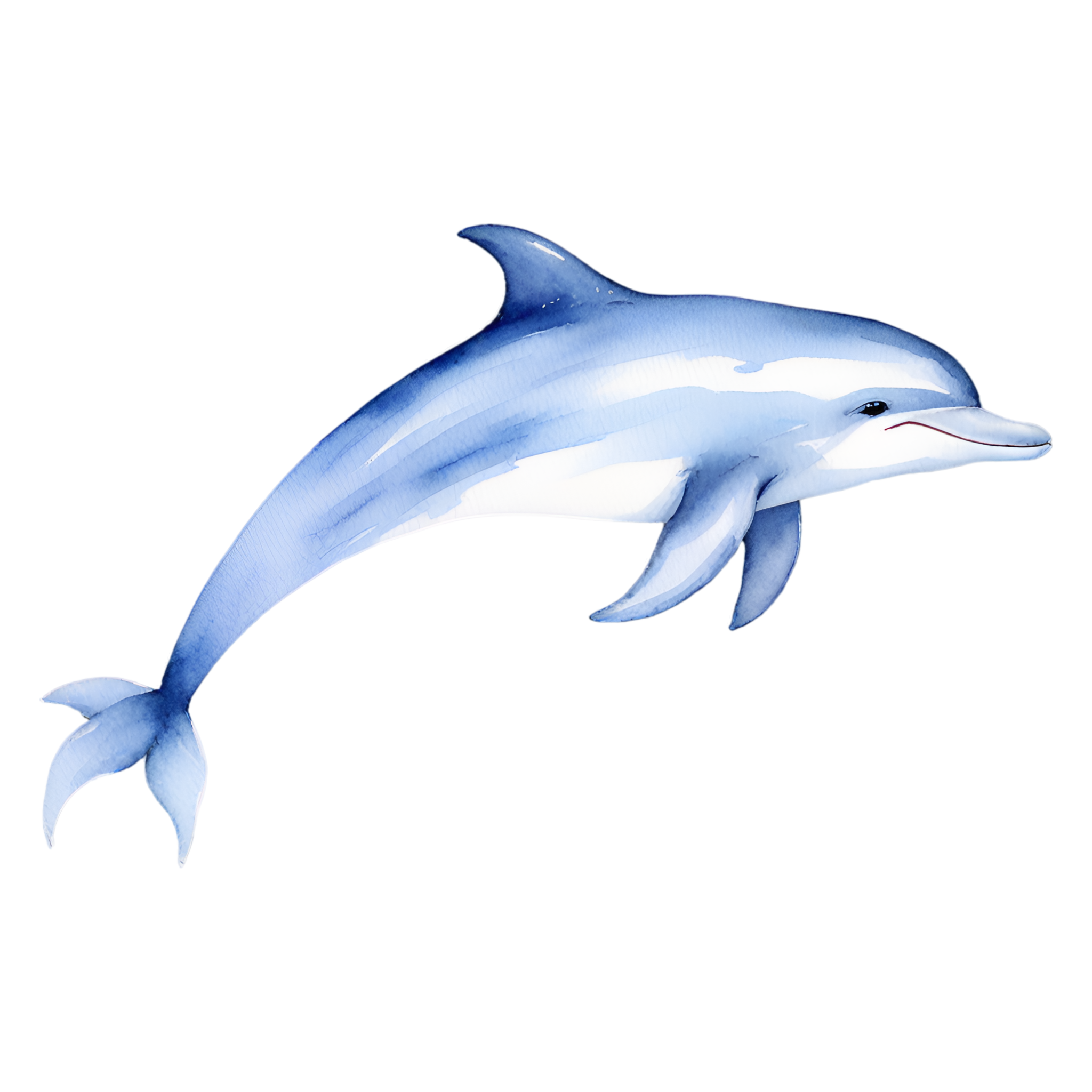
Most of the set is in the air. Two dolphins rise almost straight up in a tall leap (02 and 09), one climbs in a graceful upward arc (07), one leaps with the flippers tucked close (04) and one arcs through the air in three-quarter view (06). One heads down in a dive with its tail raised behind it (05). The calmer poses are two horizontal glides in side profile (01 and 08) and two side profiles with the gentle upturned mouth line that reads as a smile (03 and 10). Every dolphin is drawn from the side, so flip one horizontally when it needs to face your text, such as on a name sign or a birthday card.
Beach parties, nurseries and ocean units
Dolphins are a summer staple: pool-party and beach-birthday invitations, swim-team ribbons and camp T-shirts, vacation rental welcome signs and coastal wedding stationery. They are also a common choice for ocean-themed nurseries and baby shower invitations, where the gliding and smiling poses look calm rather than splashy. In classrooms, dolphins anchor marine mammal lessons: a good way to show that a dolphin is not a fish is to set it beside the shark gallery and ask what differs. For a full under-the-sea set, combine this gallery with the sea turtle and seahorse galleries, or add the whale for a cetacean family lesson.
Delft blue, lavender gray and white
The palette is cooler than many ocean sets: medium Delft blue and lavender-blue on the backs, blue-violet in the shadows and snow white on the bellies. Those tones sit naturally with navy, aqua and sandy beige, and they hold their own on white because the dark backs give a clear outline. For warm contrast, add coral or sunny yellow lettering. The set belongs to the ocean clipart hub and the nautical hub, where anchors and shells round out a beach theme. The page lists each image's main HEX colors beside the nearest DMC floss and Copic marker, useful for matching thread on a nursery embroidery or marker colors on a coloring sheet.
Tip: give leaping dolphins room to move
A leaping dolphin implies motion, so leave space in the direction it is traveling: put an upward-arc dolphin in the lower left with open space up and to the right. Two leaping poses mirrored toward each other make a classic frame for a name or date. Each file is a 2048 x 2048 px transparent PNG, about 6.8 inches square at 300 DPI, enough for a chest print on a T-shirt or a design on a tote bag. For sublimation, the white bellies come from the blank, so use a white shirt or mug. For Cricut print-then-cut stickers, the gliding side profile cuts most cleanly because the flippers sit close to the body.