Areoles, spines and the desert: what makes a cactus
Every cactus is a succulent, but not every succulent is a cactus. The test is the areole, a small cushion on the stem from which spines, new branches and flowers grow; only cacti have them. The spines are modified leaves, and besides fending off animals they shade the stem and cut water loss. Nearly all cacti are native to the Americas. The saguaro grows wild only in the Sonoran Desert of southern Arizona, the Mexican state of Sonora and a small corner of California, and it can take many decades to grow its first arm. Its pleated stem expands like an accordion to store water after a rain, then shrinks again through the dry months. Its white blossom is Arizona's state wildflower. Prickly pear pads, called nopales, and the fruit, called tunas, are eaten across Mexico and the American Southwest.
Ten potted cacti, from saguaro to prickly pear
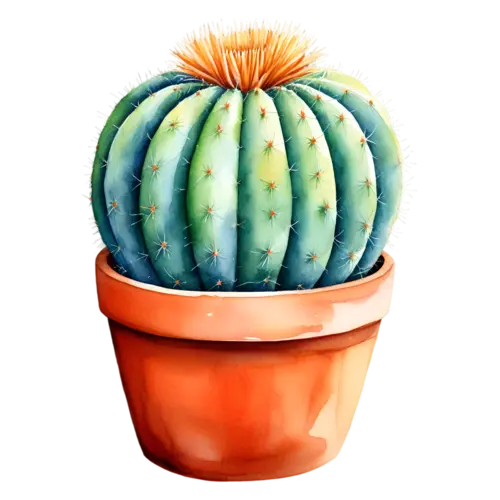
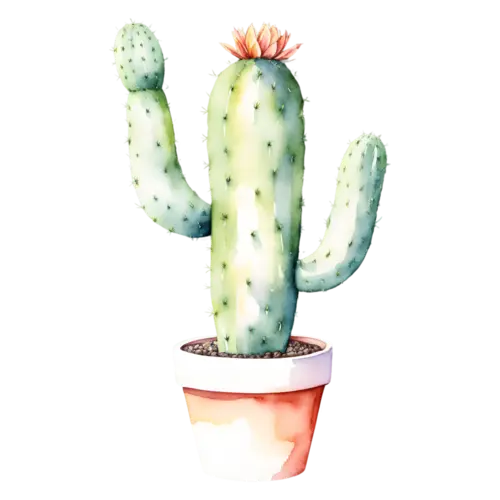
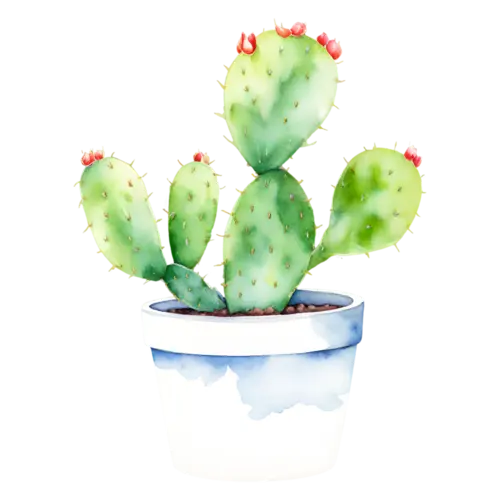
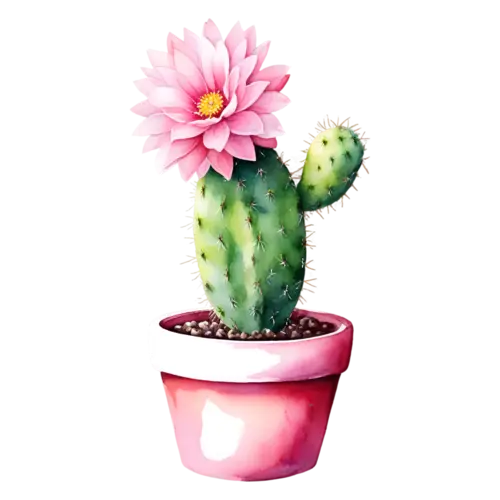
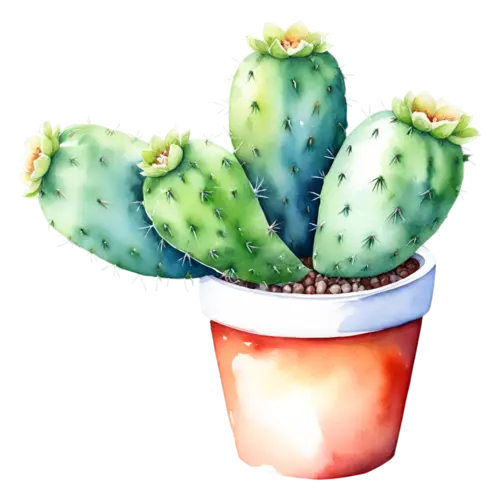
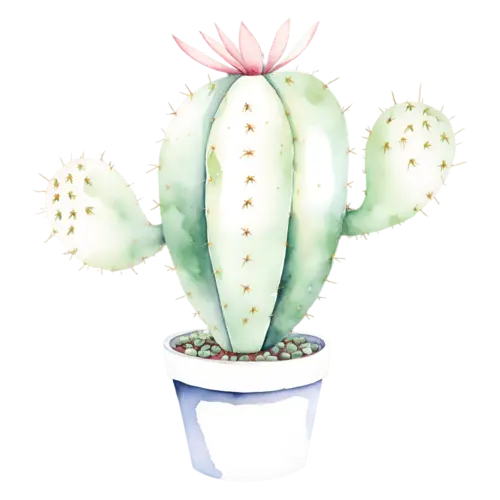
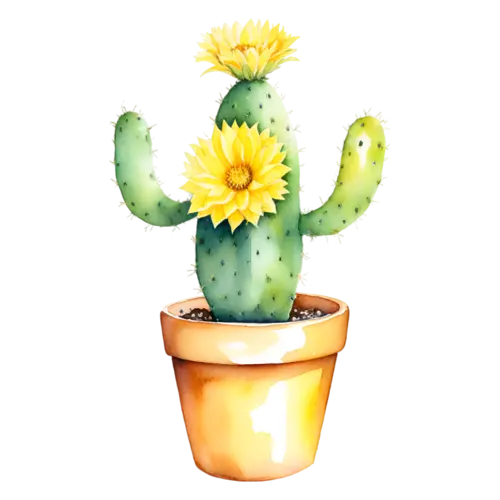
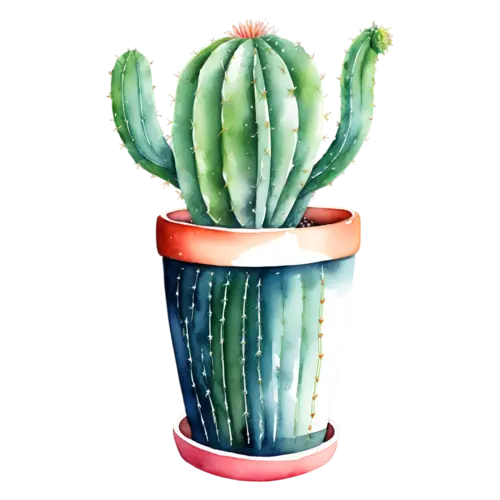
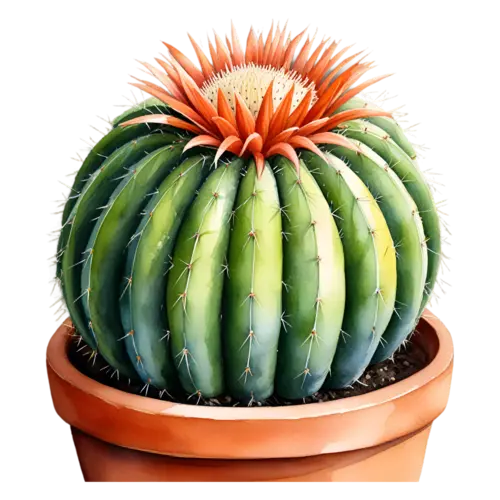
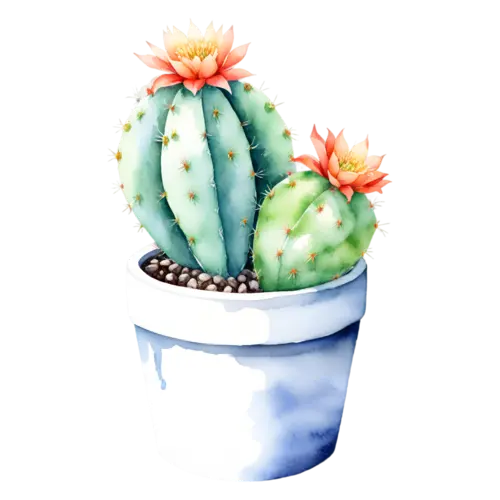
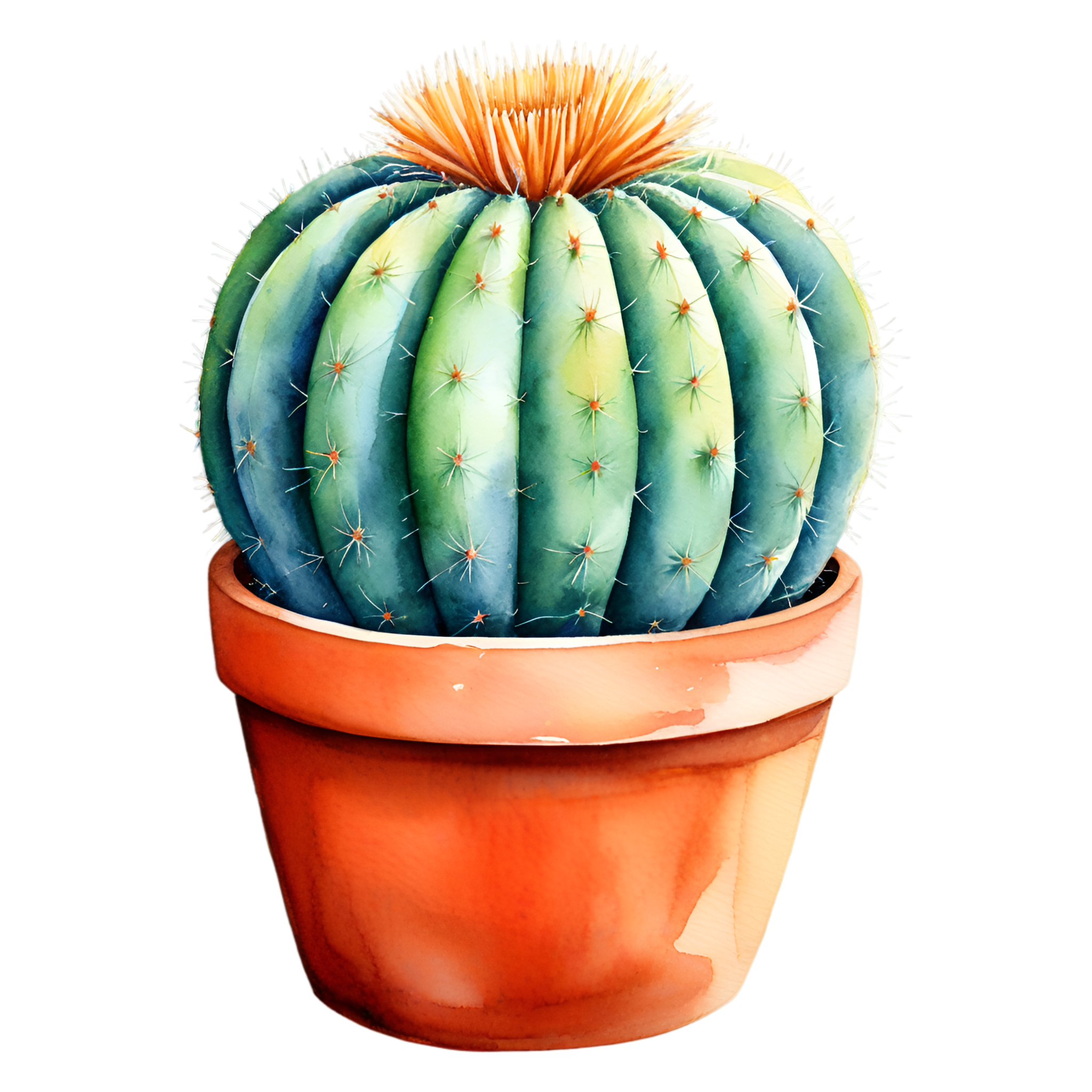
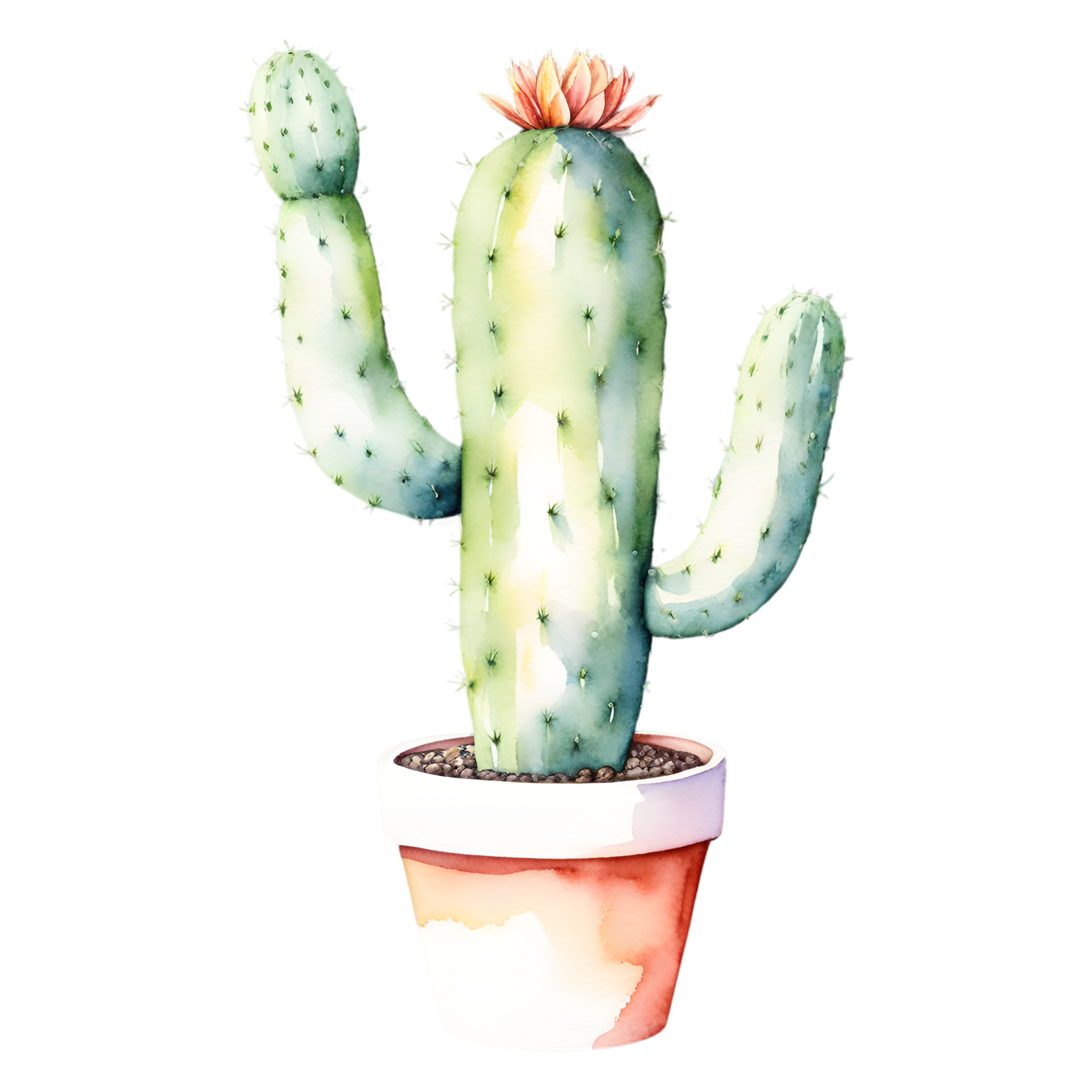
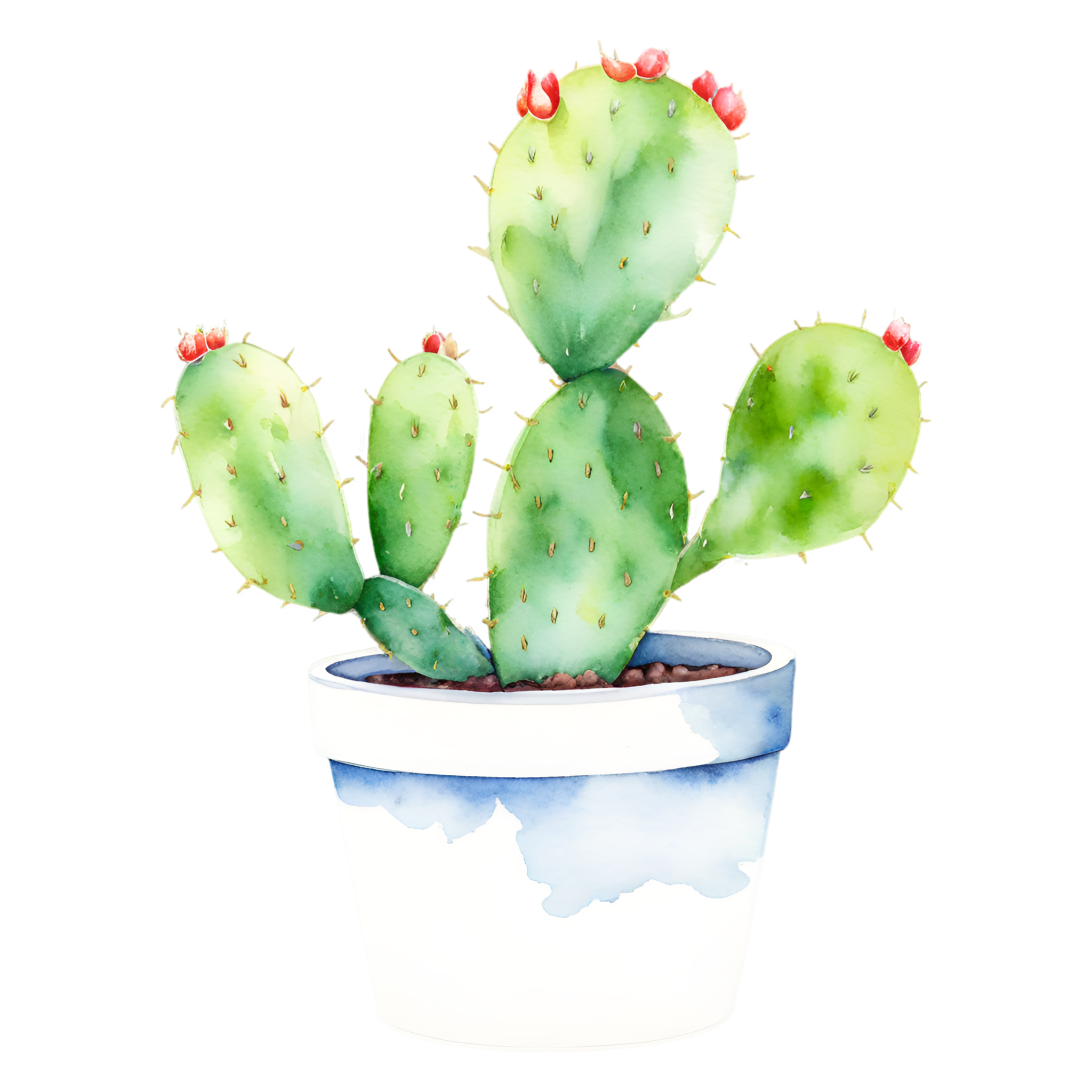
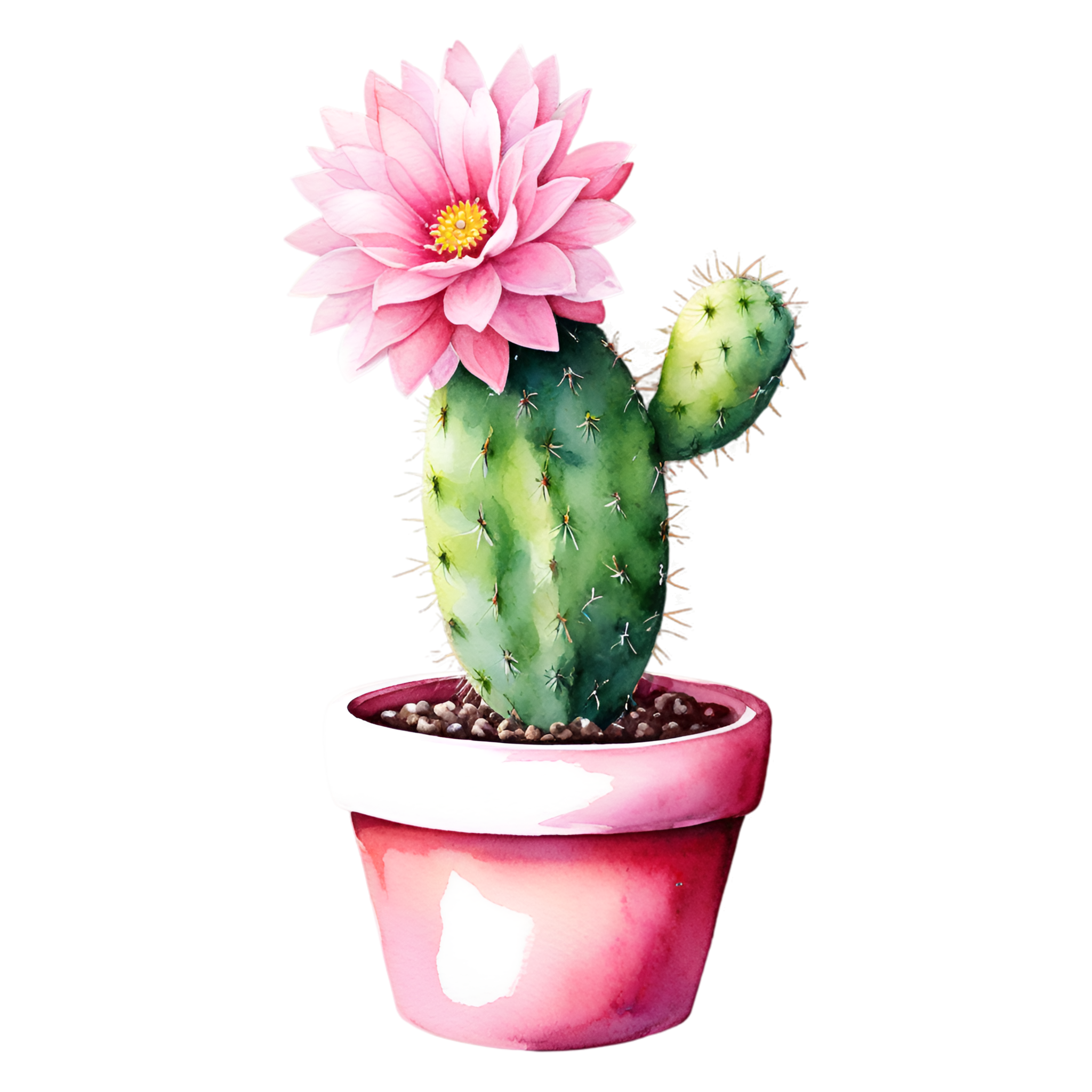
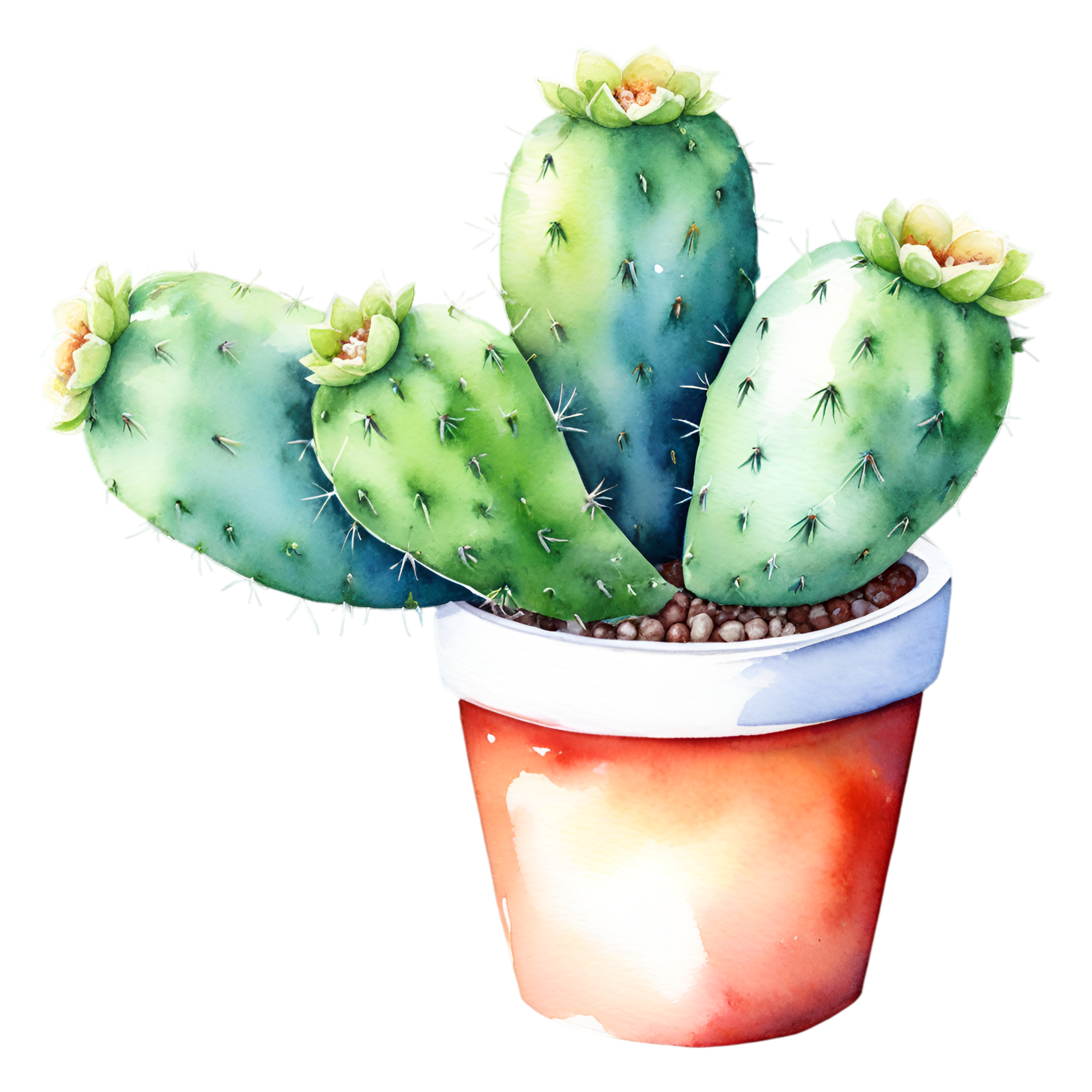
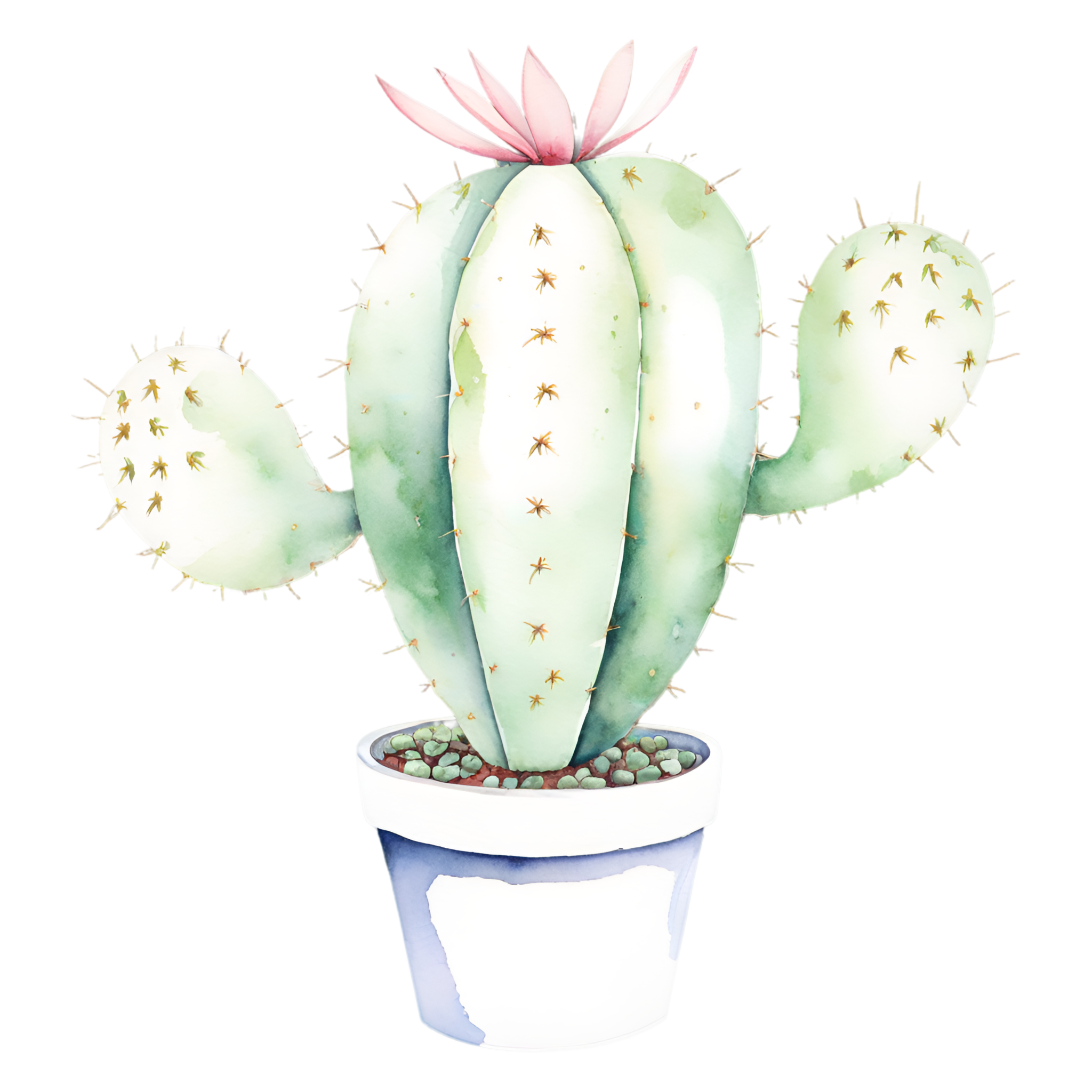
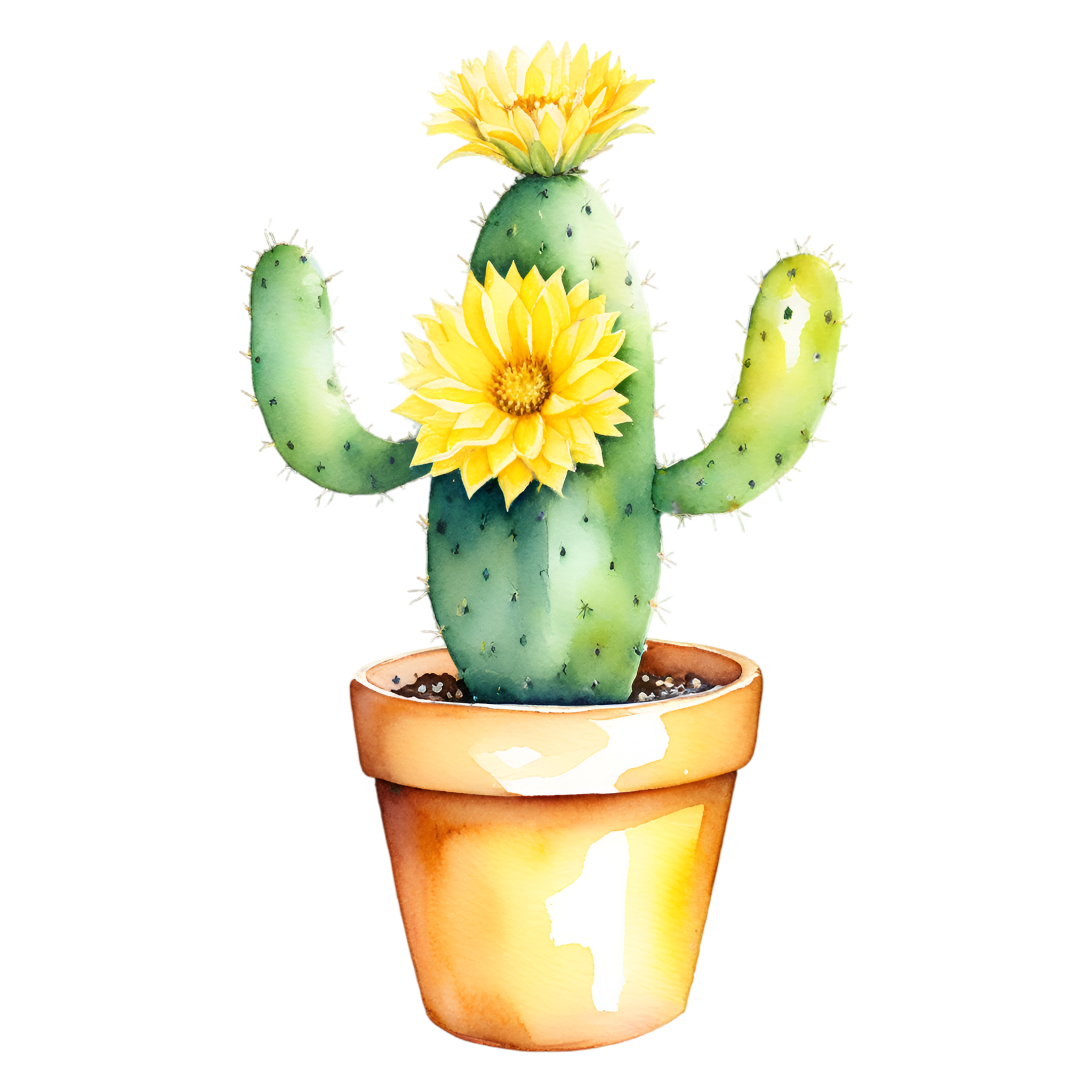
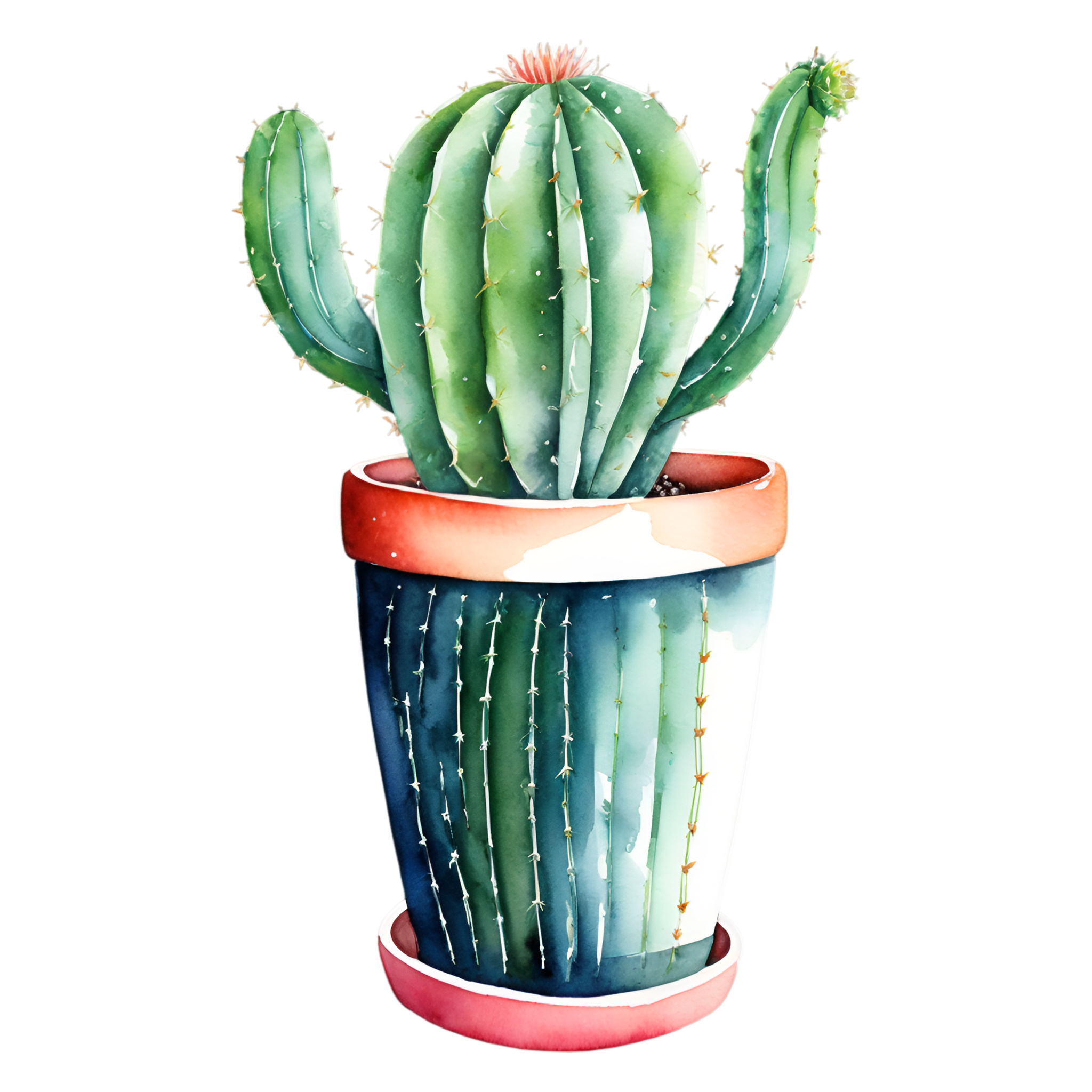
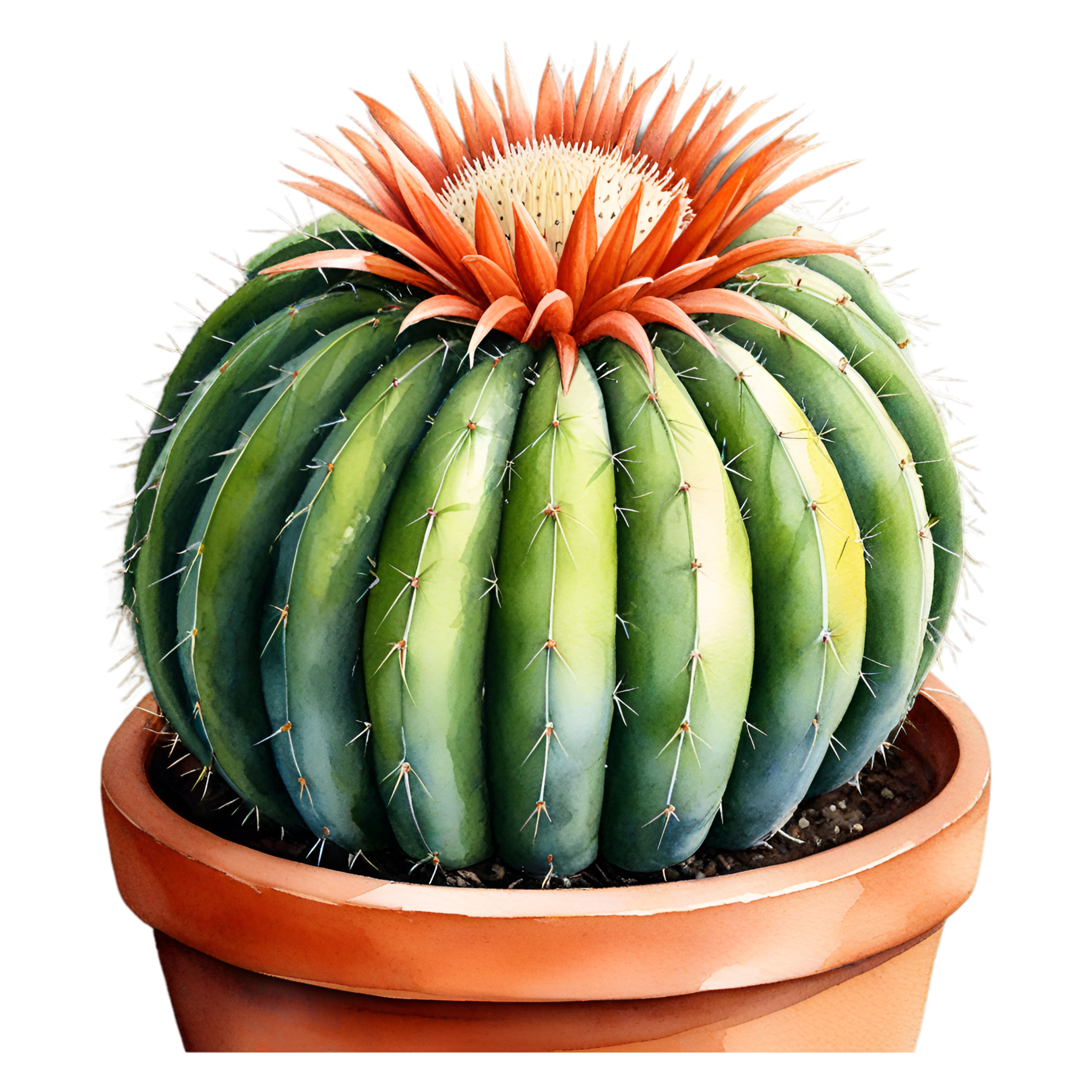
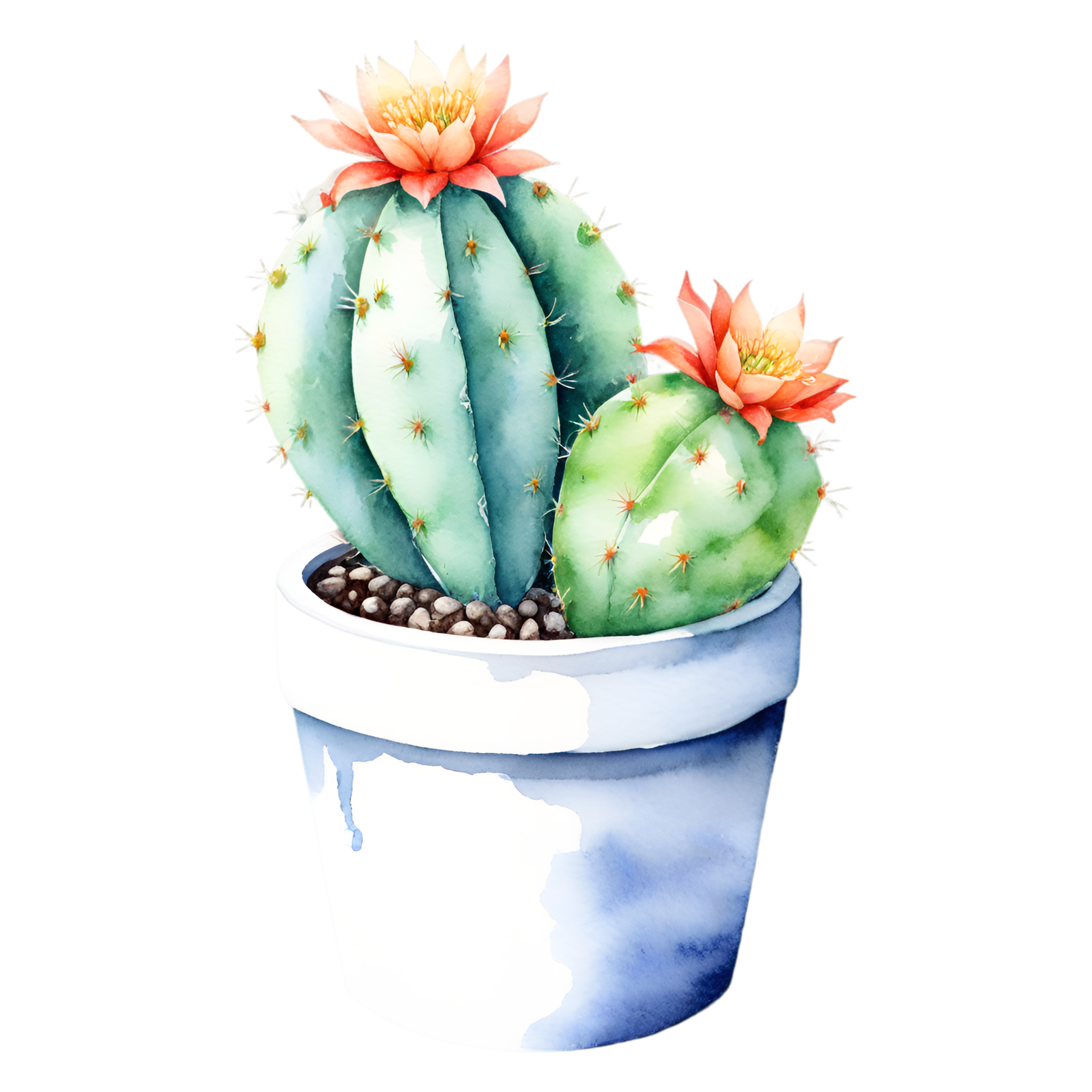
Every cactus in this set sits in a pot, which gives the images a houseplant look and a flat base for lining them up along a shelf. There are two round barrel cacti in terracotta pots, one plain and one crowned with a big orange bloom, a tall saguaro with two raised arms, and a prickly pear with flat oval pads and red buds. A small cactus carries a single pink flower on top, and another raises two arms and two bright yellow blooms. One pot holds a cluster of four oval pads tipped with pale cream flowers, one a pale sage-green ribbed cactus with two round side pads under a pink flower, and one a ribbed column with curving arms in a tall striped pot. The tenth pot holds two cacti with coral blooms.
Desert weddings, fiesta invitations and Valentine puns
Cacti carry a southwestern look that fits desert weddings and elopements in Arizona, New Mexico and Southern California, ranch-style bridal showers and Palm Springs-themed pool parties. They are a regular on fiesta birthday invitations, taco-night menus and boho nursery prints. Plant shops and market vendors use cactus art on price tags, care cards and loyalty cards. Then there are the puns: stuck on you for Valentine's Day, looking sharp for graduation and back-to-school, and don't be a stranger on moving-away cards. Arizona teachers can use the saguaro for state-symbol lessons, since its blossom is the state wildflower, and travel sellers use it on desert souvenir prints and postcards.
Sage greens, terracotta and a pop of bloom
The palette is soft and dusty: sage and blue-green stems, pale highlights that read almost white, terracotta, white and blue-washed pots, plus pink, yellow, coral and orange flowers. The most frequent DMC matches on the page include 3348 Yellow Green Light, 772 Yellow Green Very Light and 504 Blue Green Very Light, with Copic BG32 Aqua Mint for markers. Cacti sit well beside the potted succulents for a full windowsill, the bold tropical leaves for a jungle-and-desert plant shop, and eucalyptus for boho wedding stationery. Browse the plants hub for more greenery and the botanical hub for herbs and leaves.
Tip: cactus stickers with clean spine edges
Each cactus is a transparent PNG at 2048 by 2048 pixels, about 6.8 inches square at 300 DPI. Fine spines and fuzzy edges are where cutting machines struggle, so for print-then-cut stickers add an offset border of about an eighth of an inch and let the machine cut the smooth outline rather than every spine. Sizes between 1.5 and 3 inches work for sticker sheets and planner stickers. For a shelf border on a card or banner, line up four or five pots at the same base height and vary the plant heights: saguaro and column cactus at the back, barrel and flowering cacti in front. A strip of sand-colored or terracotta paper under the pots grounds the row.