Kelp is a giant seaweed, not a plant
Kelp is a large brown alga. It looks like a plant but has no roots, flowers or seeds. Instead it has three parts: a holdfast that grips the rocks on the seafloor, a flexible stalk called a stipe, and long flat blades that do the work of leaves. Many kinds carry gas-filled floats called pneumatocysts at the base of their blades, which lift the kelp toward the sunlight at the surface. Giant kelp is among the fastest-growing organisms in the ocean and can add more than a foot of length a day in good conditions. Along the Pacific coast of North America it forms underwater kelp forests that shelter fish, sea stars and sea otters. Otters help those forests survive by eating sea urchins, which graze on kelp.
Ribbons, straps and floats
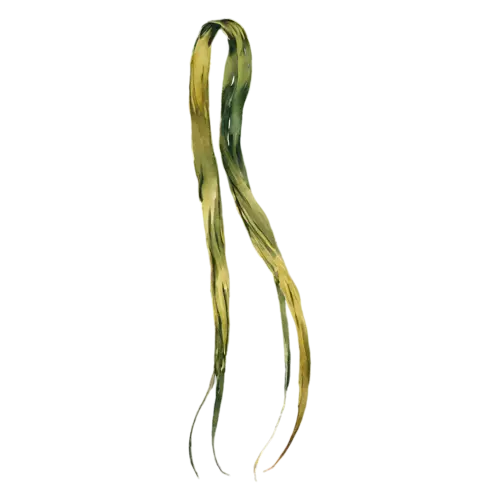
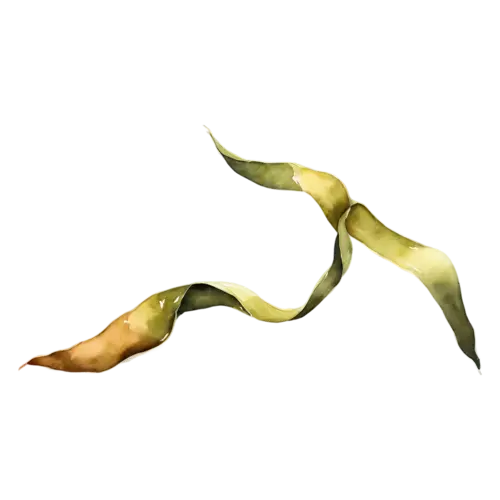
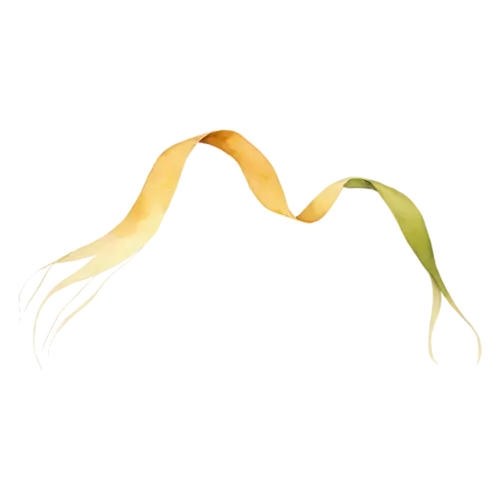
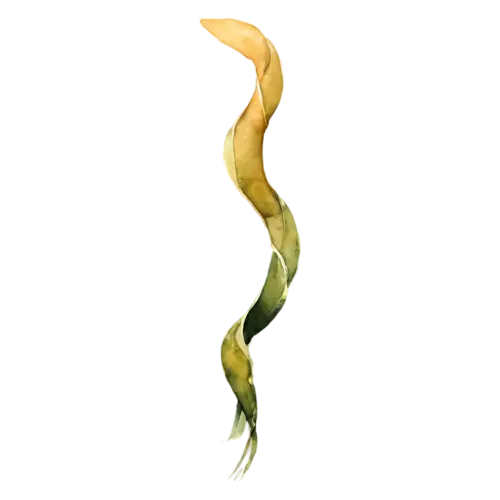
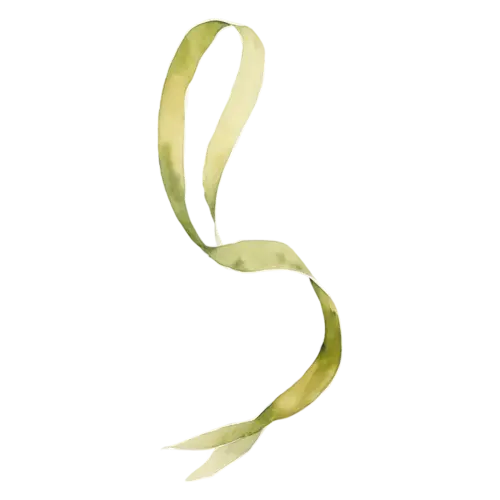
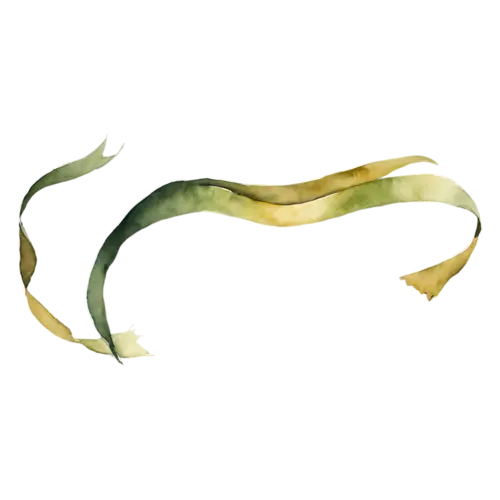
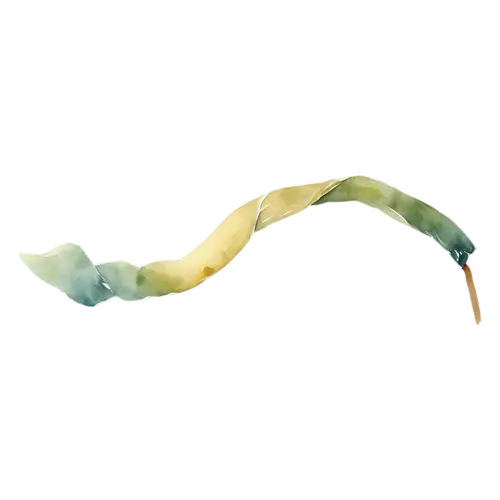
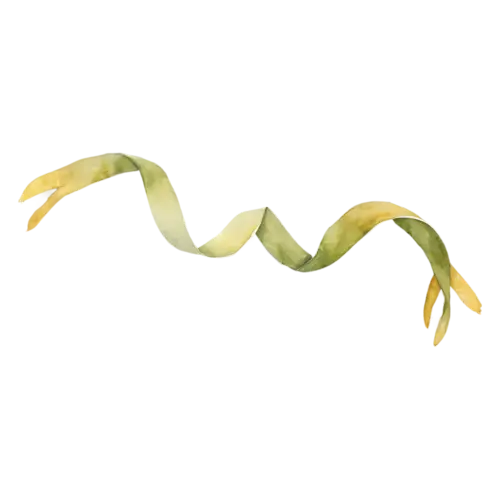
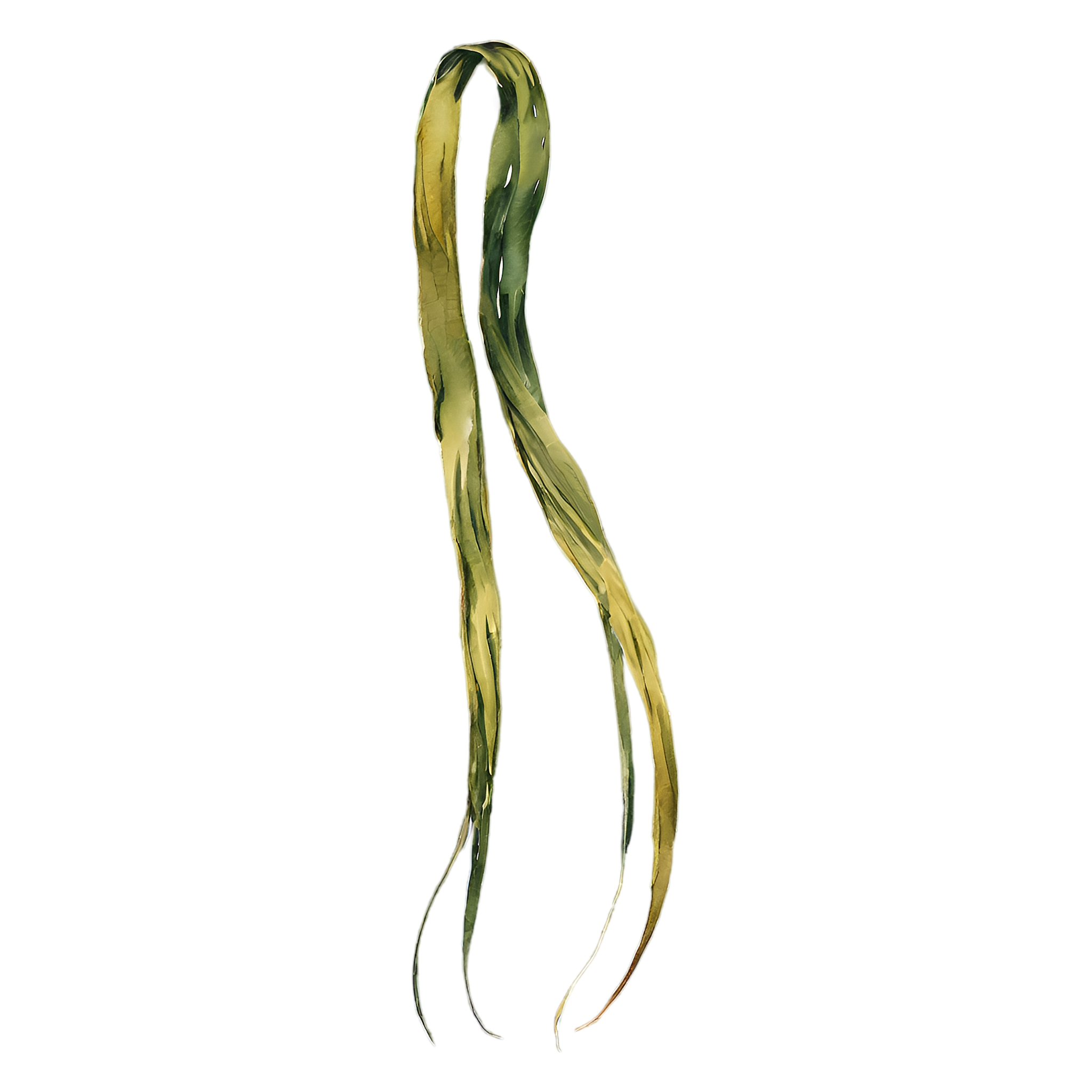
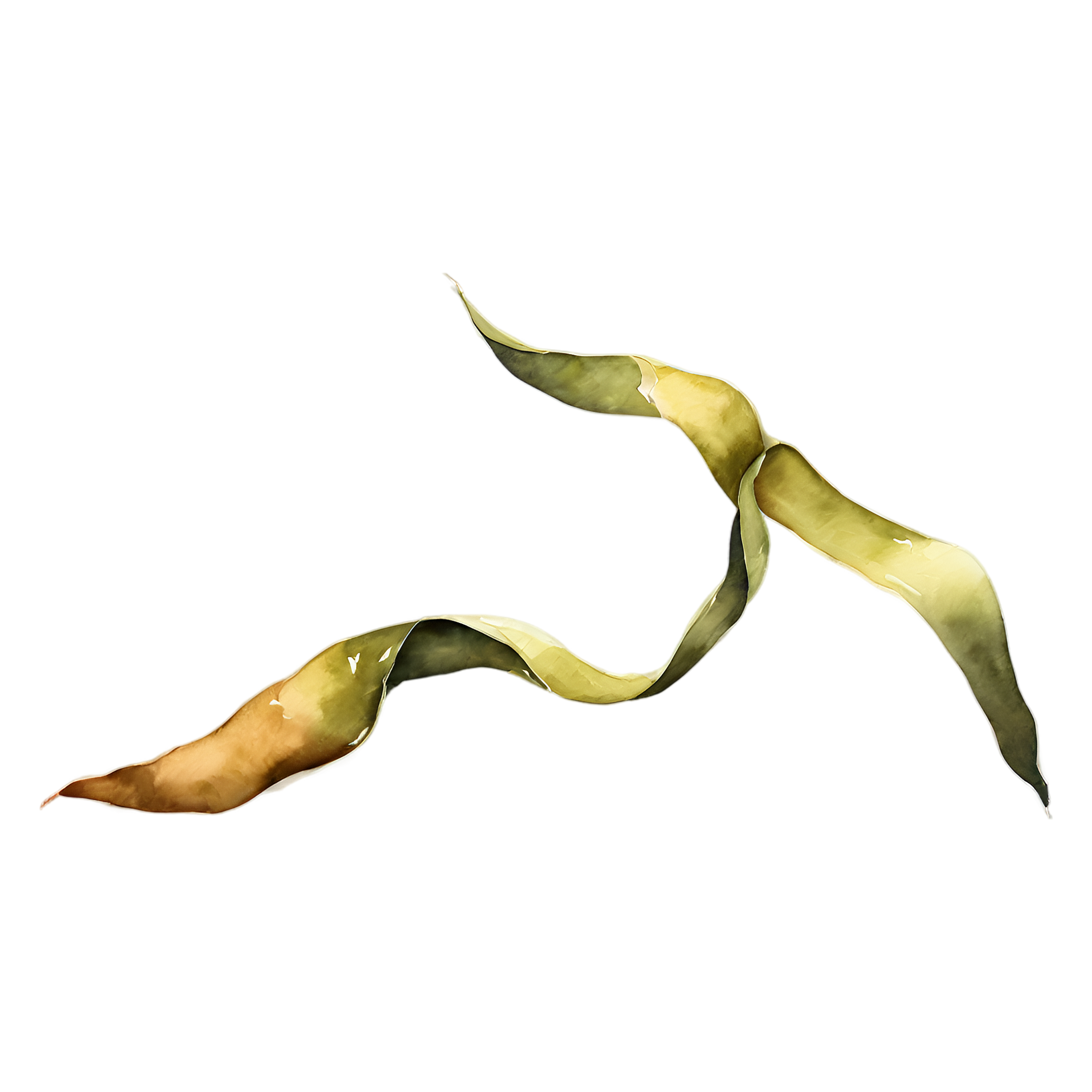
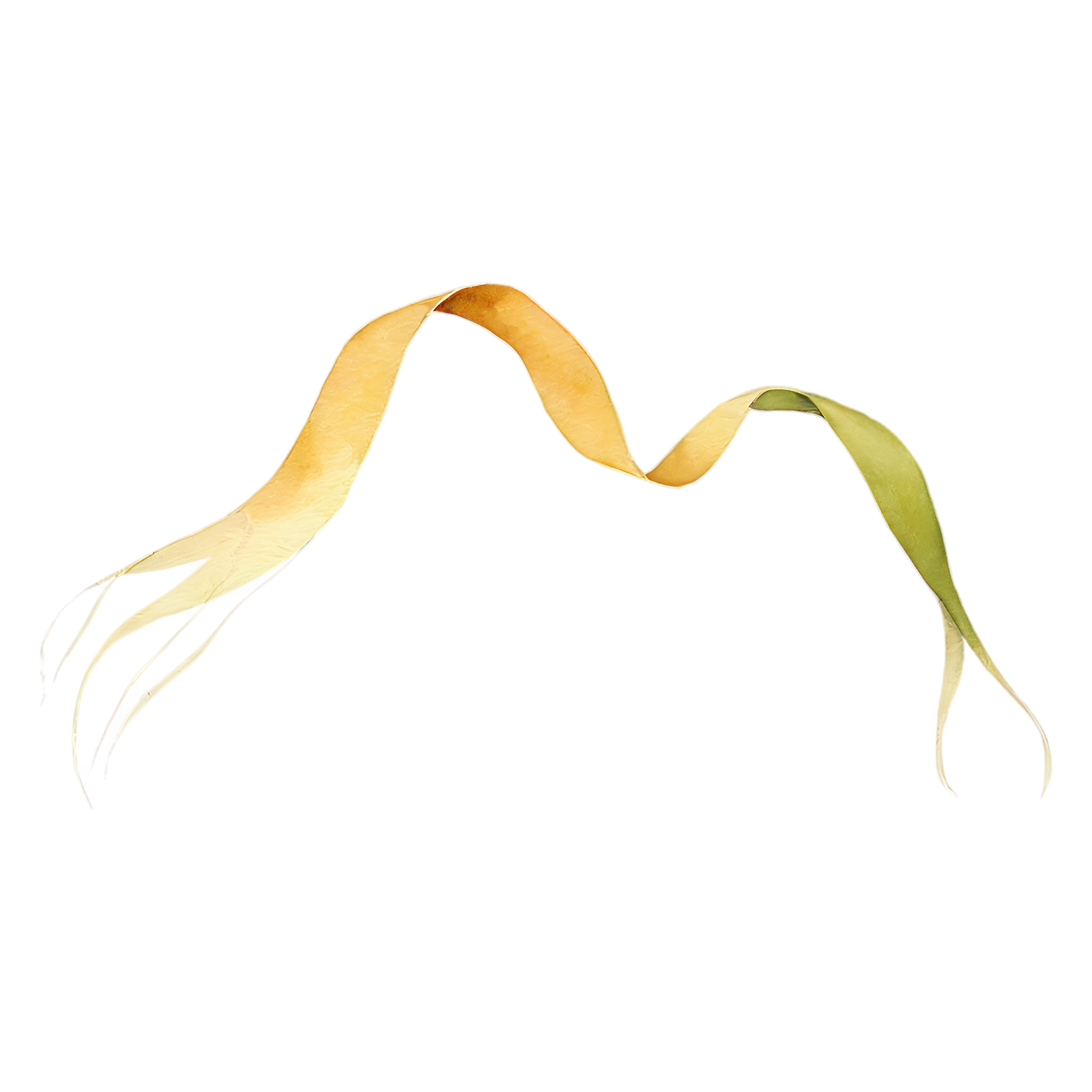
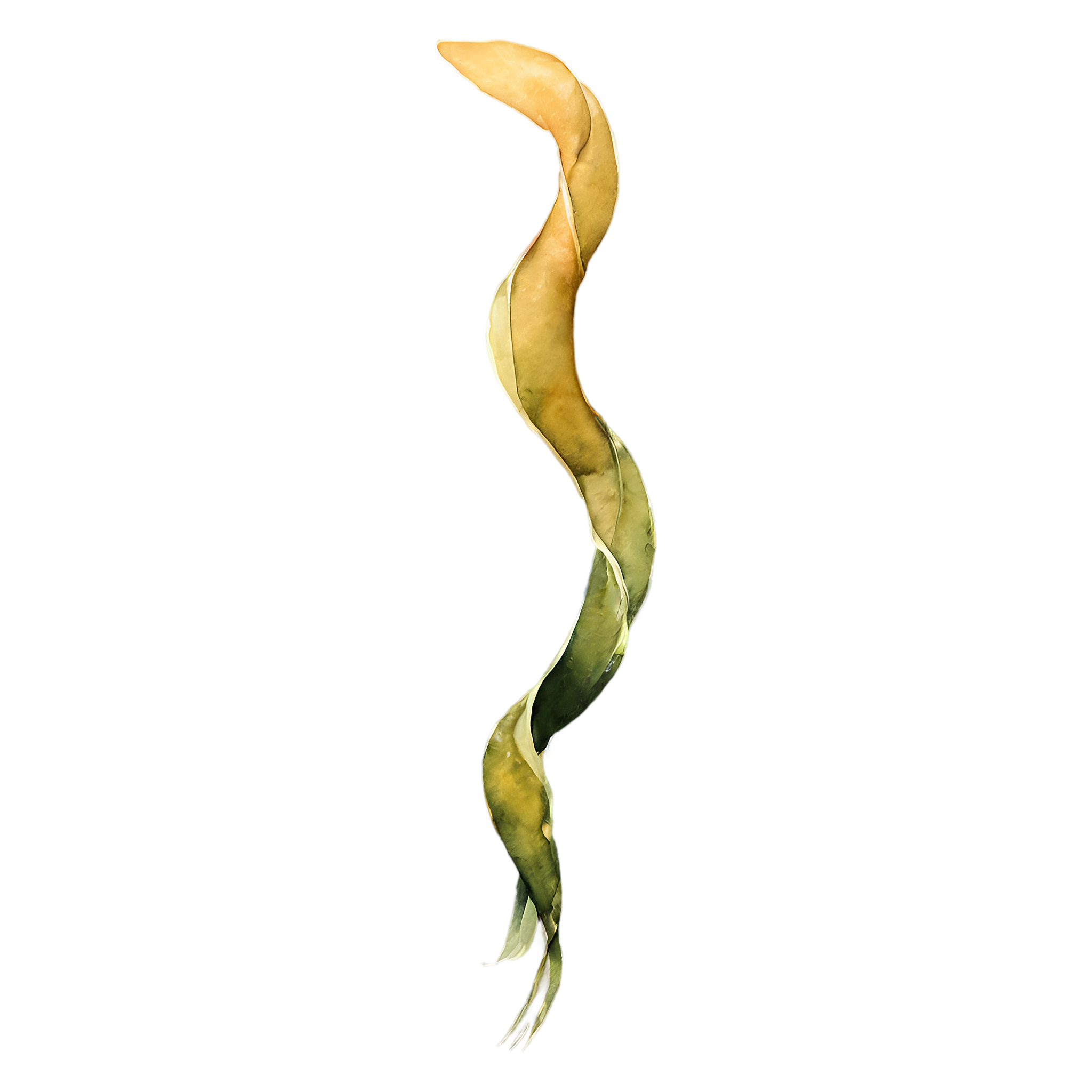
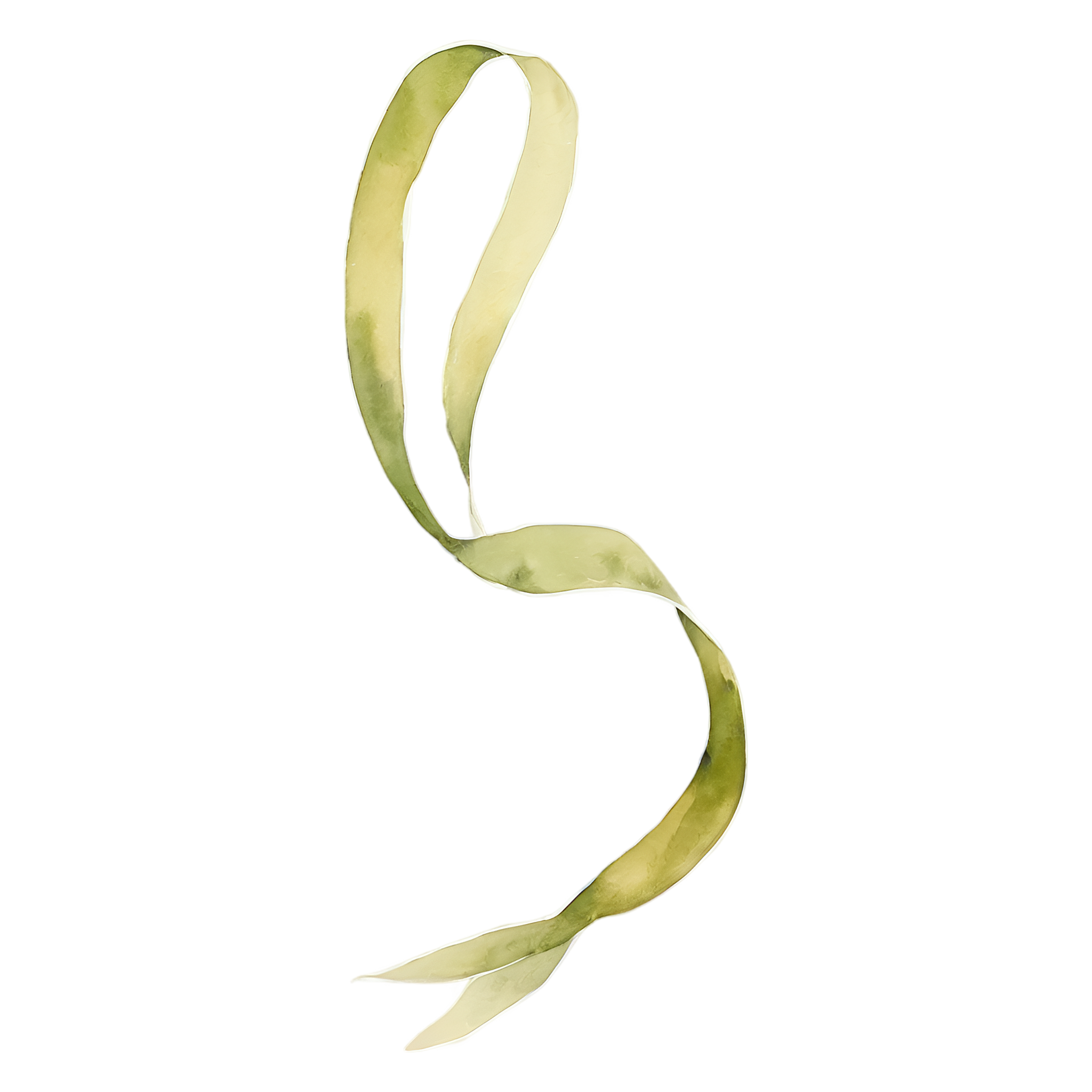
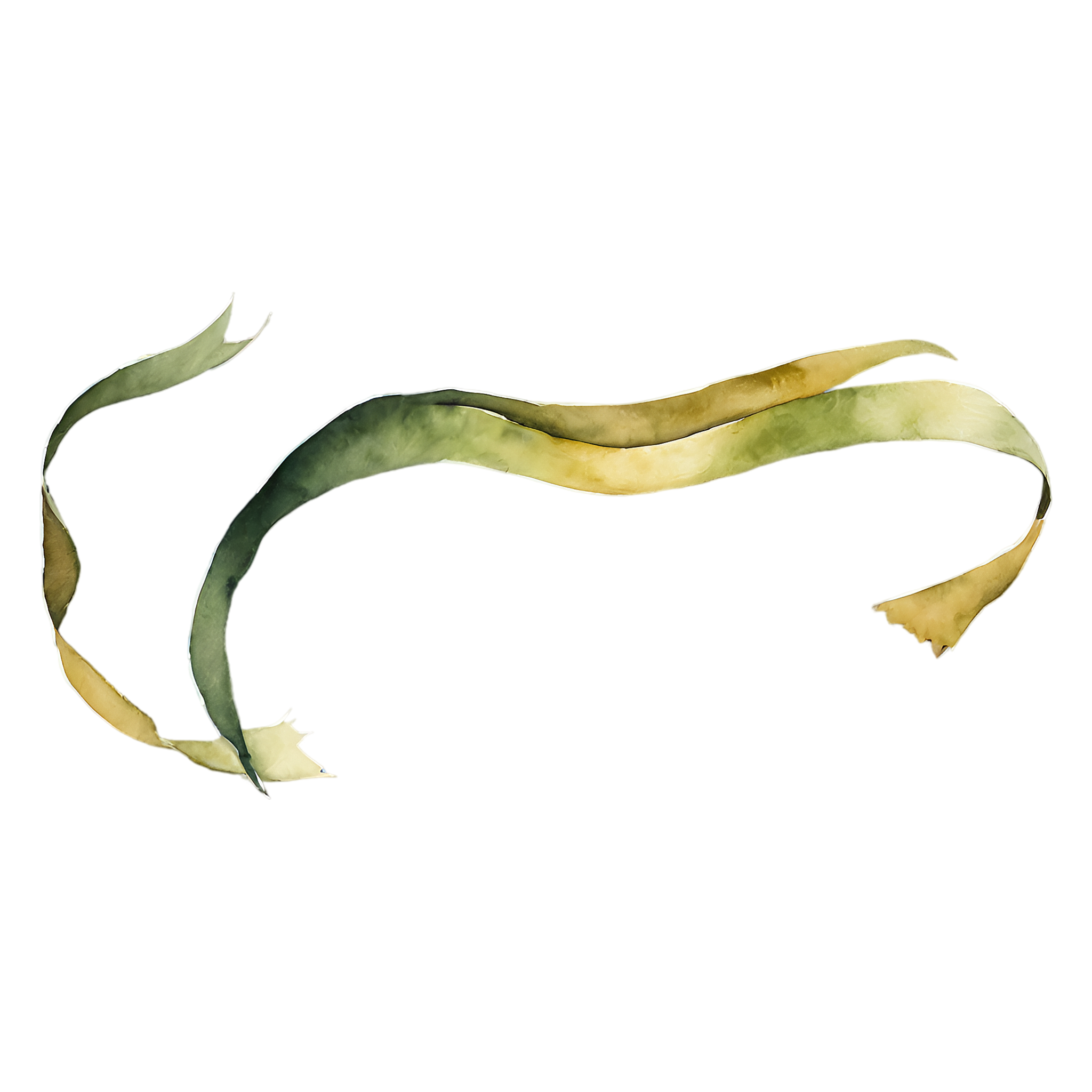
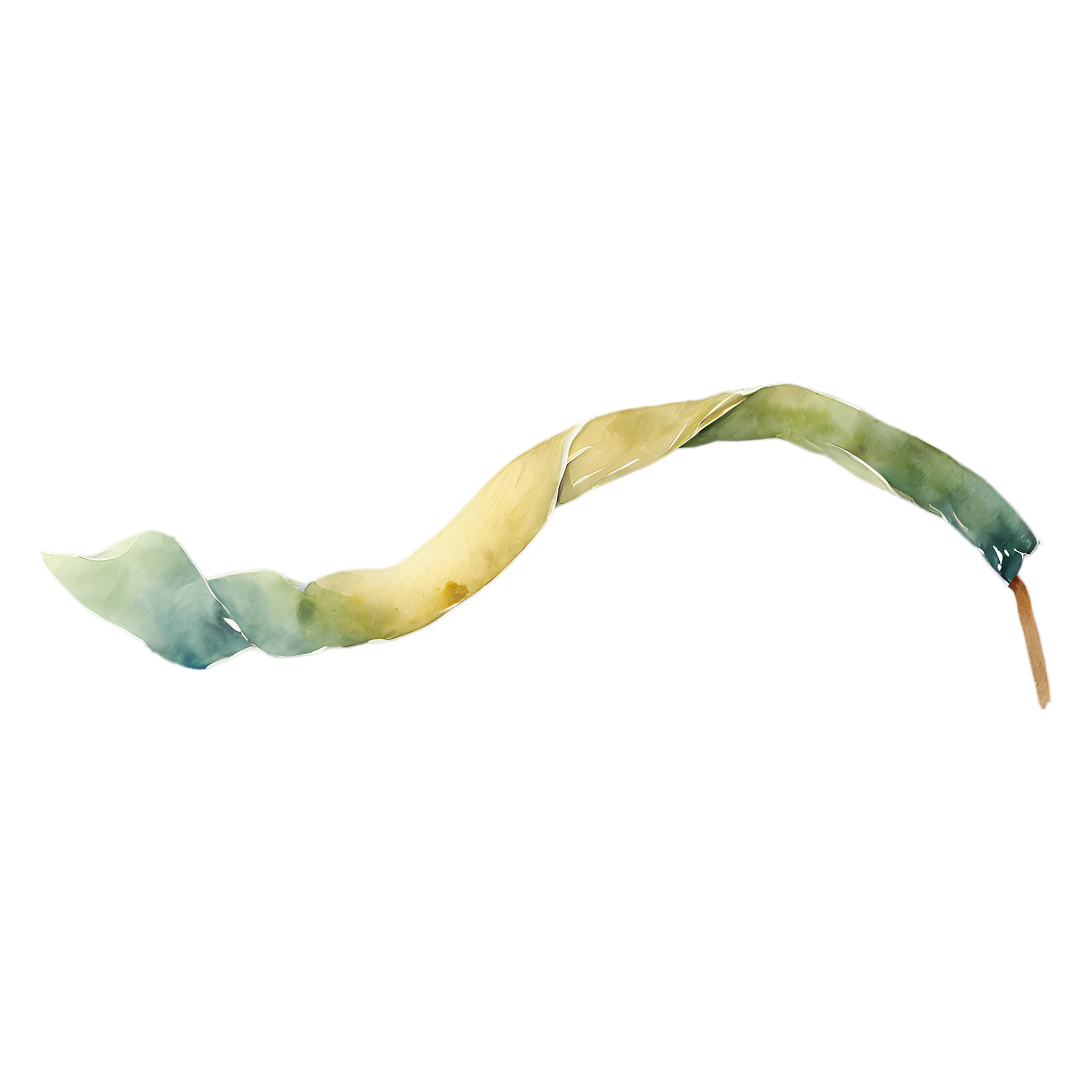
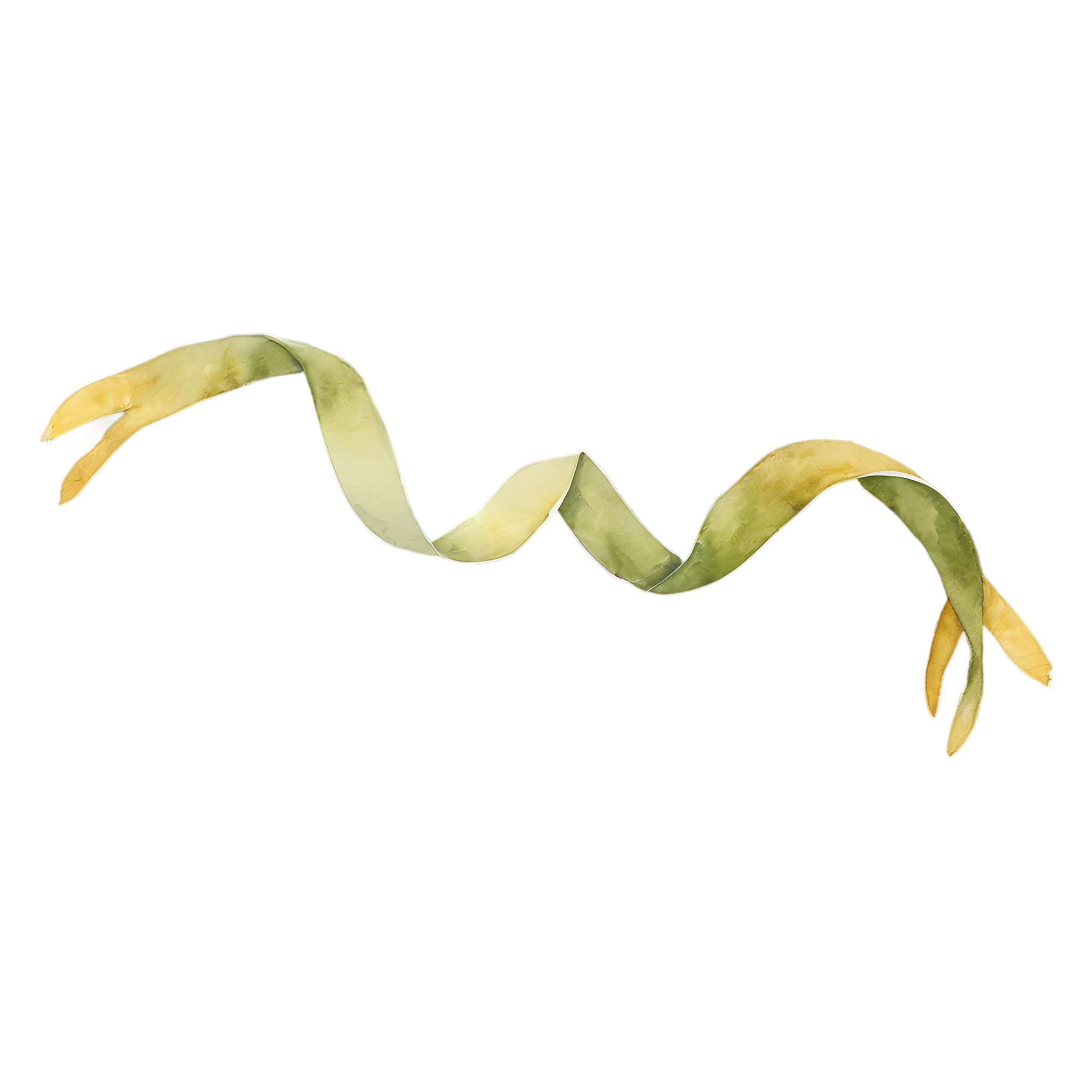
The set has eight strands, each a single piece of kelp you can place on its own or stack into a forest. Several are ribbon forms: long flat blades flowing upward, a graceful tapering seaweed ribbon, and a lush full ribbon of giant kelp. Others are broader: a tall strand of wide wavy straps, straps swaying gently to one side, and broad flat straps fanning outward. Two images focus on the floats. One is a single curving stalk lined with round floats, and the other is a stalk with rows of round air-bladder floats, the detail that tells a viewer this is kelp and not generic pond weed. All eight grow upward from a narrow base, so they line up along the bottom of a layout.
Mermaid parties, aquarium units and coastal menus
Kelp is background scenery that makes an ocean design read as underwater instead of beach. Use it on under-the-sea and mermaid birthday invitations, along the edges of a baby shark party banner, and on ocean-themed baby shower printables. Teachers building a marine biology or Pacific coast unit can label the holdfast, stipe, blades and floats on one strand, then use the rest for a kelp forest food web poster with otters and urchins. California and Pacific Northwest restaurants can run a strand down the side of a seafood or sushi menu. Seaweed snack brands, sea-salt soap makers and surf shops also use kelp on labels and stickers.
Olive green and amber-brown
Real kelp is golden-brown to olive, and this set follows that: olive and khaki greens with amber and straw tones, matched most often to DMC 733 and 734 Olive Green and 676 and 677 Old Gold. Those warm tones contrast with blue sea creatures. Set a seahorse between two strands, put an octopus or crab at the base, and add a sea turtle swimming above. For more marine art, the ocean clipart hub collects every sea animal on the site.
Stacking strands into a kelp forest
A believable kelp forest uses depth. Place the tallest strands at full size in front, then add two or three more behind them scaled to about 70 percent with lowered opacity, so they fade into the water. Flip some horizontally so the blades don't all sway the same way. Let the bases run off the bottom edge of the page, since kelp grows up from the seafloor and a visible base can look cut off. Each file is a transparent PNG at 2048 by 2048 pixels, about 6.8 inches at 300 DPI, enough for a tall border on a letter-size page. On a pale aqua background the olive tones stay readable; on dark navy, raise the brightness slightly so the blades don't disappear.